Russia’s Transport Ministry stated on Tuesday that traffic on both the automotive and railway components of the bridge was temporarily suspended following a “repeat attack by UAVs” (unmanned aerial vehicles) on the night of November 17. The ministry added that experts were assessing the damage and advised motorists to avoid the area. Sergey Aksyonov, the Moscow-appointed governor of Crimea, confirmed the suspension of traffic on his Telegram channel, urging residents to plan routes accordingly.
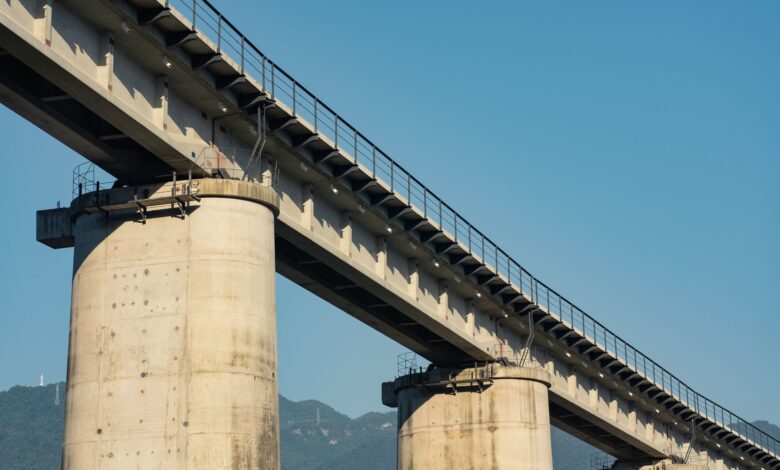
Images geolocated by CNN and published by Ukrainian monitoring channels such as Supernova+ show that a 227-meter steel arch of the road bridge has fallen into the Kerch Strait, which connects the Black Sea and the Sea of Azov. The adjacent railway span also sustained damage, though reports vary on its structural integrity; some Russian pro-war commentators suggested the damage was caused by drone warhead debris rather than a direct hit. The debris appears to have partially blocked the main navigable route beneath the bridge, affecting maritime traffic from the ports of Berdiansk and Mariupol.
This second strike follows an initial attack on Monday, November 16, which targeted an arch in the bridge’s central section. On Monday, Marat Khusnullin, Deputy Prime Minister of Russia, stated that traffic had been restored in a reversible mode before the subsequent overnight strike. The bridge, which stretches 19 kilometers (11.8 miles) and is the longest crossing in Europe, was designed to handle 40,000 cars and 14 million passengers daily. Its closure forces all traffic from Crimea to rely on a land corridor through occupied southern Ukraine, a route highly vulnerable to Ukrainian drone operations.
The attack on the bridge occurred amidst one of the largest exchanges of long-range strikes since the war began. The Russian Ministry of Defense claimed that its air defense systems intercepted and destroyed 2,049 Ukrainian drones and four Flamingo long-range missiles over 24 hours. In a related statement, the ministry reported that more than 800 drones were directed toward Moscow, though Mayor Sergey Sobyanin later cited figures of over 600 targeting the capital specifically. Ukrainian officials did not immediately confirm the specific number of drones launched or the use of Flamingo missiles, though footage of a Flamingo missile striking the bridge was circulated by Ukrainian sources.
Simultaneously, Kyiv came under intense bombardment, with Russian forces striking two major bridges spanning the Dnipro River: the Northern and Southern bridges. Kyiv Mayor Vitali Klitschko reported that the strikes damaged critical infrastructure, causing disruptions to water and heat supplies in several districts and damaging the subway system. Traffic was suspended on both bridges, leading to severe congestion on alternative routes. At least seven people were killed in Russian strikes across Ukraine, and energy infrastructure attacks left approximately 50,000 people without power.
The Kerch Bridge has been a repeated target of Ukrainian operations since 2022, including a truck bomb attack and a sea drone strike. Ukrainian authorities consider the bridge illegal, as it was built after Russia’s annexation of Crimea. The recent success in damaging the structure is attributed by Western analysts to the systematic degradation of Crimea’s multi-layered air defenses by Ukrainian unmanned systems forces over recent months.
The escalation in attacks comes just days after talks between US, Ukrainian, and Russian envoys aimed at ending the war. The intensity of the strikes suggests that military pressure remains a central component of the strategic calculus for both sides, despite diplomatic efforts. The physical collapse of a key section of the bridge represents a tactical and symbolic blow to Russian logistics and propaganda, as the structure has long been viewed by the Kremlin as a symbol of permanence in the annexed peninsula.
Further assessments of the bridge’s repairability and the full extent of the damage to the railway span are pending. Ukrainian officials have not officially claimed responsibility for the specific munitions used in the second strike, while Russian sources continue to debate the precise nature of the impact. The situation remains fluid, with both sides continuing to target critical infrastructure and military assets across the front line and deep behind Russian borders.