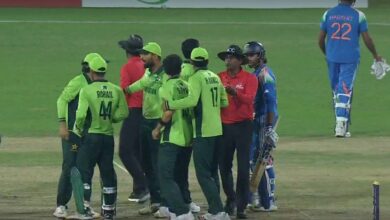
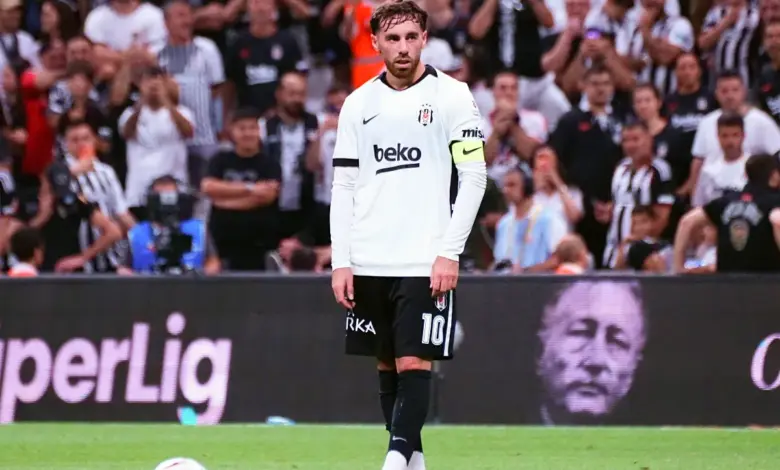
The match, managed by Ran Kozuch for Hapoel Be’er Sheva and Christos Kontis for OFI, saw the visitors from Crete assert control through disciplined defensive organization and effective counter-attacking play. Hapoel Be’er Sheva, lined up in a 4-3-3 formation, struggled to break down OFI’s 3-4-3 setup, which allowed the Greek side to maintain possession and dictate the tempo in key phases of the game.
OFI’s dominance was punctuated by two goals that sealed the result, although the final scoreline was complicated by a late VAR intervention. In the closing moments of the match, OFI’s Thanasis Androutsos appeared to extend the lead, but the goal was overturned after a Video Assistant Referee review ruled the player offside. Despite this reprieve for the visitors, OFI had already secured the three points earlier in the contest, with their attacking threats proving too potent for the Hapoel Be’er Sheva defense to contain.
The second half saw Hapoel Be’er Sheva attempt to rally, with substitutions and increased pressure from the wings. Djibril Diop and Mohammad Kna’an were both shown yellow cards for fouls, reflecting the frustration building within the Israeli camp as they searched for a way into the game. Amir Ganah’s shot from outside the box was blocked, while Niv Yehoshua’s cross failed to find a useful outlet. OFI, however, continued to create danger, with Borja González missing a top-right corner chance in the final minutes, assisted by Zisis Karachalios.
Statistically, the match highlighted the disparity in offensive output between the two sides. Hapoel Be’er Sheva have conceded eight goals in their four Europa League matches this season, a defensive vulnerability that has plagued their campaign. In contrast, OFI’s ability to convert chances into goals has been a key factor in their superior standing in the league table. The Israeli side’s defensive record, combined with their lack of goalscoring form, has left them in a precarious position in the standings.
The consequences of this result are significant for Hapoel Be’er Sheva’s European ambitions. With just one point from four matches, they currently occupy 33rd place in the league phase standings. This places them far behind the top eight teams, who automatically qualify for the last 16. The pressure mounts as they prepare for their next fixture, a critical encounter against Besiktas on November 26, 2026.
That upcoming match against Besiktas presents a significant challenge. The Turkish side, managed by Vincenzo Italiano, have started their campaign more successfully, boasting seven points from four matches. Besiktas opened their season with a 4-1 victory over Marseille and a 3-2 win away to Hoffenheim, although they have since drawn 2-2 with Crystal Palace and lost 3-2 to Celtic. Their domestic form has also been strong, with recent victories over Genclerbirligi and Konyaspor boosting their confidence.
Notably, the Besiktas match will be played at Batumi Stadium in Georgia, rather than in Istanbul, due to UEFA’s decision to relocate the fixture for safety and security reasons following consultations with Turkish authorities. This change of venue may offer a slight neutral advantage to Hapoel Be’er Sheva, but the quality gap between the two sides remains evident. Besiktas have produced high-scoring games in three of their last four matches, suggesting that Hapoel Be’er Sheva will need to improve both defensively and offensively to avoid another heavy defeat.
For Hapoel Be’er Sheva, the focus now shifts to rectifying their defensive lapses and finding a reliable source of goals. The loss to OFI Crete underscores the difficulty of competing in the expanded Europa League format, where consistency is paramount. With the league phase progressing, every point becomes crucial in the race for the remaining knockout spots. The Israeli side must respond strongly against Besiktas to keep their European campaign alive, or risk being eliminated from the top 24 positions that offer a path to the knockout rounds.
As the competition moves forward, the contrast between the resilient OFI Crete and the struggling Hapoel Be’er Sheva serves as a reminder of the high stakes involved in European football. The next match against Besiktas will be a litmus test for Hapoel Be’er Sheva’s ability to compete at this level, with their season’s European hopes hanging in the balance.