For years, the city-state’s mobile landscape was defined by a distinct imbalance. Singtel held a dominant position with roughly 43% of mobile subscribers, while M1, StarHub, and Simba Telecom jostled for the remaining share with approximately 22%, 21%, and 14% respectively. While this structure allowed consumers to benefit from some of the world’s cheapest mobile data rates, it also triggered a severe “race to the bottom.” With four physical networks and around a dozen mobile virtual network operators (MVNOs) serving a population of only six million, average revenue per user (ARPU) and profit margins eroded steadily. This financial pressure occurred even as operators faced heavy capital expenditure requirements to roll out nationwide 5G networks.
“That chapter is now closing,” said Nikhil Eapen, StarHub’s outgoing CEO. “Four operators competing for the same mature market will no longer deliver the infrastructure Singapore needs next, and consolidation is the answer.” Eapen, who is set to step down at the end of 2026, noted that the merger represents a shift from challenging the incumbent to building the digital future. Matt Williams, who joined StarHub in 2025 and was appointed CEO-designate in June, will take over the reins on January 1, 2027. Williams emphasized that the combined scale would allow the new entity to invest in “powerful, secure and modern mobile and broadband networks.”
Technologically, the merger is designed to address the structural inefficiencies of the previous four-operator model. The combined entity is projected to generate approximately S$2.6 billion in sales in the 12 months to June 2026. More significantly, the companies anticipate saving S$110 million per year by 2030 across network, infrastructure, commercial, and IT functions. These savings are intended to be reinvested into 5G, fiber, cloud, and cybersecurity capabilities. A key component of this integration is the consolidation of Antina, the joint venture formed in 2020 where StarHub and M1 jointly applied for and won one of Singapore’s two standalone 5G licenses. Antina currently operates their shared 5G radio network; the merger will consolidate its ownership, potentially streamlining operations and reducing duplication in the radio access network.
The deal also has significant implications for the spectrum landscape, which is a scarce resource in a dense urban environment. The merger creates a concentration of premium radio frequencies, particularly in the 3.5 GHz band, which is critical for high-capacity 5G connectivity. Currently, this premium block is split evenly between Singtel and the merged StarHub-M1 entity. In contrast, Simba Telecom holds no 3.5 GHz spectrum. While Simba’s parent, Keppel, has earmarked S$50 million to S$55 million for network expansion in its 2027 financial year, experts note that densifying a network with smaller spectrum blocks is a slower and less efficient process than holding a large slice of high-capacity frequency. This structural imbalance risks cementing a duopoly between Singtel and the new StarHub-M1 entity, potentially weakening Simba’s ability to keep prices in check.
This shift in market dynamics has drawn the attention of the Infocomm Media Development Authority (IMDA), which is tasked with weighing consumer safeguards. The proposed merger follows the collapse of a previous S$1.43 billion deal in which Simba agreed to acquire M1’s telco business in August 2025. That deal fell through in May 2026 after IMDA suspended its review, citing allegations that Simba had intentionally used unauthorized frequency bands. Simba did not contest these allegations, and one of its directors stepped down. Consequently, Keppel, which took M1 private in 2019, will now take StarHub shares rather than the cash proceeds from the Simba deal, with a commitment to stay invested for at least 12 months.
As IMDA evaluates the merger, potential regulatory conditions are emerging to protect consumer interests. One possibility is a temporary freeze on mobile prices and data perks, extending beyond 2027, similar to pledges made during the collapsed Simba-M1 deal. Other measures could include binding minimum standards for indoor 5G coverage. Currently, IMDA enforces baseline 5G roll-out rules focusing on 95% outdoor coverage, but there are gaps in dead zones such as underground tunnels, lifts, and basements. Existing indoor coverage standards apply primarily to 4G networks. With market power concentrated in two hands, the regulator may require verifiable improvements in 5G indoor coverage to ensure service quality does not degrade. Additionally, IMDA may consider mandatory bill rebates for service disruptions, as voluntary compensation has historically depended on corporate goodwill; for instance, Singtel voluntarily issued rebates totaling S$8 million following a three-day outage in March that affected 720,000 subscribers.
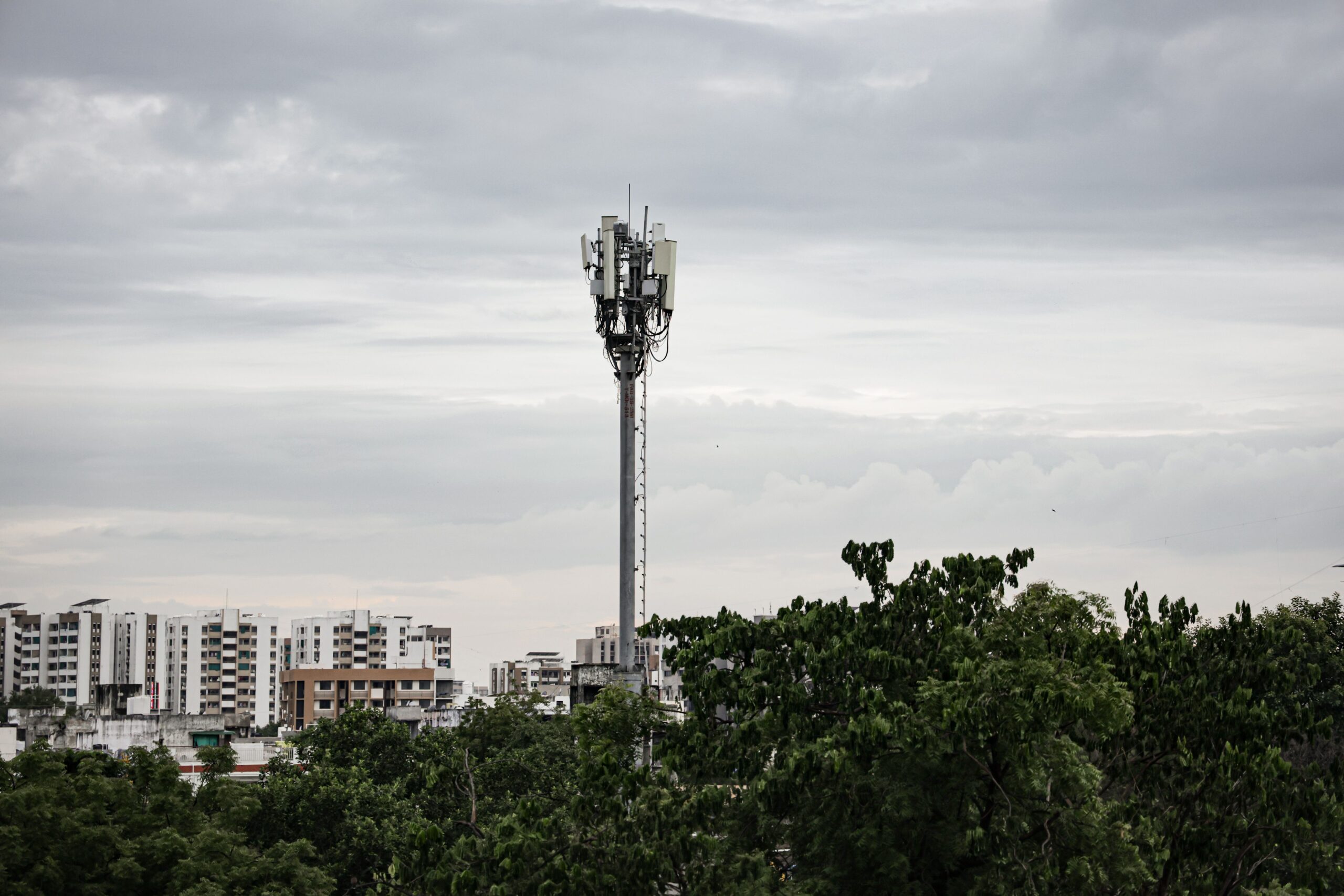
Beyond immediate consumer protections, the merger highlights a broader strategic tension in Singapore’s digital economy. As the city-state races to stake claims in artificial intelligence services and infrastructure, the need for robust, high-capacity digital infrastructure has become paramount. The merger is framed not just as a cost-saving exercise, but as a necessary step to build the resilient network foundation required for the AI era. By eliminating the fragmentation of a four-player market, the new entity aims to provide the scale and cash flow necessary to compete globally in digital infrastructure.
The path forward remains contingent on regulatory approval and shareholder votes. If approved, the merger will fundamentally reshape the competitive landscape, leaving three mobile operators in a market that has been defined by intense rivalry for thirty years. For Simba, the challenge will be to navigate a duopoly environment with limited premium spectrum, relying on network densification and niche market positioning. For the StarHub-M1 entity, the test will be whether the projected savings and scale can translate into the superior network quality and innovation promised, ensuring that the consolidation delivers the digital resilience Singapore’s economy increasingly depends on.