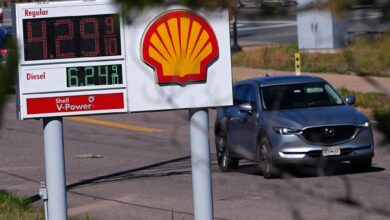
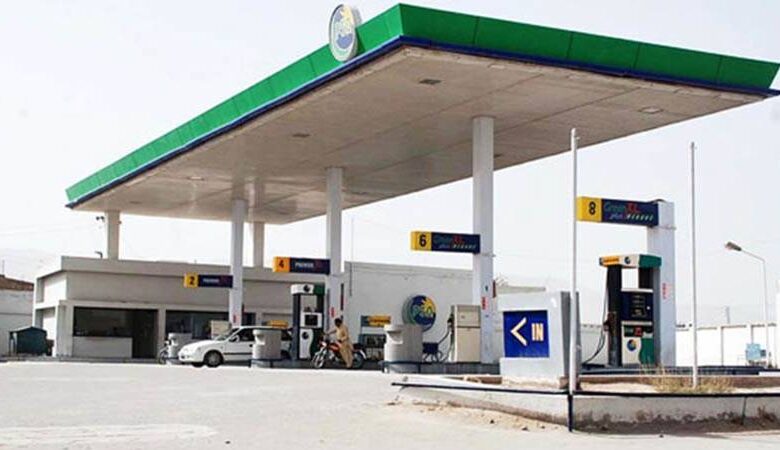
The official narrative attributes these hikes primarily to international pressures. As a major oil importer, Pakistan is exposed to global market fluctuations, supply disruptions, and exchange rate movements. The ex-refinery component of fuel pricing reflects these external realities, influenced by international refined-product benchmarks. However, the full picture reveals that domestic policy decisions account for a substantial portion of the final pump price.
A breakdown of the fuel pricing structure highlights the extent of domestic charges. Beyond the ex-refinery cost, the price per litre includes a petroleum levy of Rs 80, a Climate Support Levy of Rs 5, an Inland Freight Equalisation Margin of Rs 7.71, an oil marketing company margin of Rs 7.87, and a dealer margin of Rs 9.98. These five components alone add Rs 110.56 to the price of a single litre of petrol. Of this total, Rs 85 comprises direct government levies. While freight and commercial margins are distinct from state revenue, the levies demonstrate that the state holds significant leverage over the final cost.
The disparity between the magnitude of price increases and the scale of subsequent relief deepens public frustration. Petrol has seen single increases exceeding Rs 100 per litre, whereas a reduction announced for October 1 was a mere 14 paisa. For many consumers, such fractional relief offers little comfort against an unaffordable fuel bill. The contrast creates a perception that public helplessness has become a policy assumption, with the unspoken reasoning suggesting that the government can impose steep costs because the public has no alternative but to comply.
The Ripple Effect on the Economy
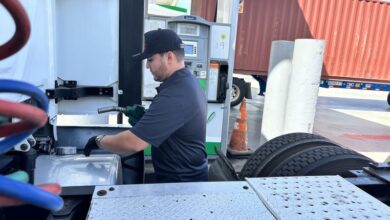
The consequences of high fuel prices extend far beyond vehicle owners. Higher costs drive up ride-hailing fares, freight rates, and delivery charges. Trucks carrying food, medicines, and manufactured goods face increased operating expenses, which are often passed on to consumers. Households effectively pay for the same fuel increase multiple times—through their daily commute, the price of groceries, and the cost of essential goods. Businesses unable to pass these costs onto consumers face narrowing profit margins, threatening their viability in an already strained economic environment.
The fiscal reality is complex. Removing or reducing the Rs 80 petroleum levy would lower the pump price by the same amount, provided other components remain unchanged. Reducing the levy to an illustrative Rs 10 or Rs 20 would provide Rs 60 to Rs 70 in relief per litre. However, such measures carry a fiscal cost. Forgone revenue requires spending restraint, alternative revenue sources, or adjustments consistent with budget and financing commitments. The core question is one of priority: why does essential mobility remain an easier source of revenue than curbing avoidable expenditure or improving tax collection from those with greater capacity to pay?
Targeted assistance is crucial in this context. Pakistan has introduced a fuel relief scheme, but reporting indicates significant registration difficulties and access problems. A temporary levy reduction, accompanied by a published cost and review date, would signal a willingness to share the burden. Instead, the current trajectory risks eroding public trust, as the distinction between unavoidable global shocks and manageable domestic charges remains opaque.
As the economy adjusts to these pressures, the focus shifts to the next policy decision. Whether the government chooses to revisit the petroleum levy or adjust the climate charge will determine if the current crisis remains a temporary shock or becomes a permanent feature of the economic landscape. For the delivery rider who must keep working and the factory worker who must reach the job, the answer is already written in their shrinking daily earnings.