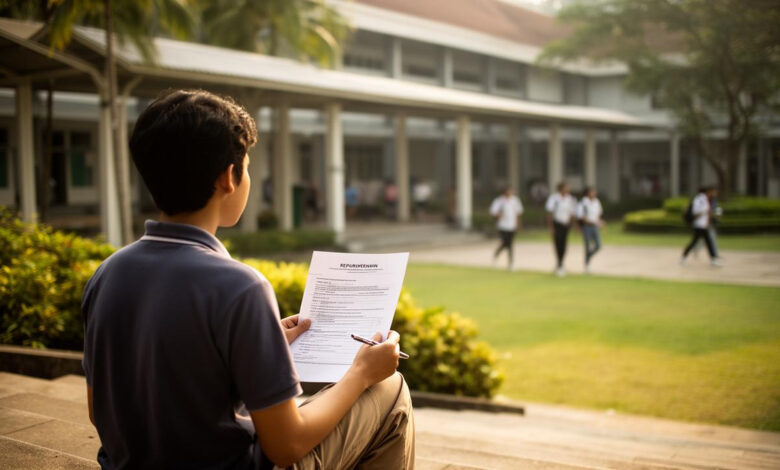
Under the new framework, borrowers of the National Higher Education Fund Corporation (PTPTN) who earn RM2,500 or less per month will not be required to make any loan repayments until their income rises above that threshold. The government estimates that this deferment will benefit more than 400,000 borrowers. Anwar stated that the policy reflects a pragmatic approach to debt servicing, noting that individuals who cannot afford to repay their loans should not be forced to do so until they have the financial capacity.
“This means borrowers earning less than RM2,500 a month will not be required to make any repayments to PTPTN. Only when their salaries rise to between RM2,500 and RM3,000 will they be asked to pay RM50 a month,” Anwar said.
The budget introduces a tiered repayment structure for the 2027 fiscal year. Borrowers with monthly earnings between RM2,500 and RM3,000 will be required to make a minimum monthly repayment of RM50. Additionally, borrowers who maintain a clean record with no outstanding arrears and have consistently met their scheduled payments will be eligible for a 10 percent discount on their loan balances.
To further encourage corporate participation in alleviating student debt, the government has introduced a tax incentive for employers. Companies that choose to repay PTPTN loans on behalf of their staff will qualify for tax deductions. This incentive is applicable to repayments made between January 1, 2027, and December 31, 2028.
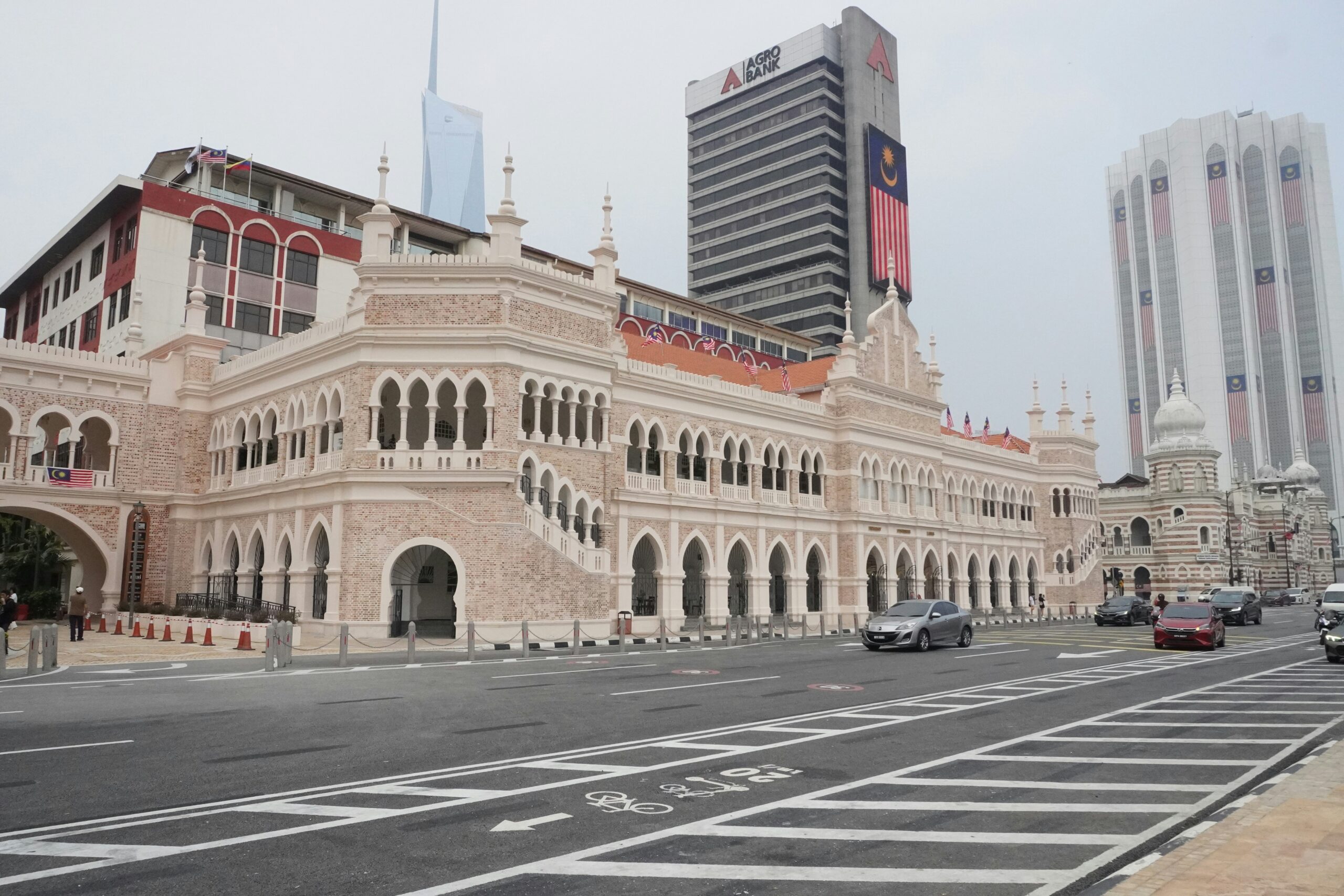
The loan relief measures are part of a broader increase in funding for the education sector within the 2027 budget. The Ministry of Education continues to receive the largest allocation in the national budget, secured at nearly RM69 billion, an increase from RM66.2 billion in the current year. The Ministry of Higher Education has been allocated RM19.1 billion, which includes a specific RM800 million provision for upgrading infrastructure, such as lecture halls, student accommodation, and outdated equipment in public universities.
The budget also introduces incentives for private contributions to public higher education institutions. Donations from the public, alumni, and corporations to public universities will be eligible for income tax deductions of up to 10 percent of aggregate income. This move aims to diversify funding sources for Malaysian universities beyond government appropriations.
Alongside higher education measures, the government announced several initiatives to support primary and secondary education. The Early Schooling Assistance (BAP) has been increased from RM150 to RM200 per pupil for the 2027 school year. With RM1 billion allocated for the program, the increase is expected to benefit 5.3 million pupils. Anwar highlighted that a family with four children would receive a total of RM800 to prepare for the new academic session. The assistance is distributed directly at schools, facilitating interaction between parents and teachers regarding student progress.

For older students, Form Six students will receive a living allowance of RM2,500, matching the amount previously provided to matriculation students. This measure is expected to support 90,000 students. Additionally, the monthly allowance for students with special educational needs has been raised from RM150 to RM200, benefiting over 150,000 students, including those with autism. Special education teachers will also see an increase in their teaching incentives from RM250 to RM300 per month, impacting 20,000 educators.
The budget further allocates RM870 million for the Supplementary Food Programme (RMT), which benefits more than 800,000 pupils. In the realm of inclusive education and care, the government plans to construct two new Permata Kurnia Centres in Melaka and Pahang, designed to provide integrated education, support, and training for autistic children. Furthermore, 15 existing Community-Based Rehabilitation premises will be upgraded into specialized therapy centers serving 20,000 registered persons with Down syndrome, while an additional 3,000 caregivers for persons with disabilities will undergo specialized training to meet growing demand.
The 2027 budget reflects a strategic shift toward targeted financial support for low-income households and a sustained investment in educational infrastructure. The next step in the legislative process will involve parliamentary debates and approval of the budget components, with the PTPTN repayment deferment set to take effect in January 2027.