The transition places Nnorom, who brings over 40 years of experience in banking, finance, and audit, at the helm of an institution with 25,000 employees and a presence in four global financial centers. UBA’s strategic footprint, which includes operations in the United Kingdom, the United States, France, and the United Arab Emirates, remains unchanged. The immediate narrative is one of stability; the board’s decision to appoint a non-executive director who was already familiar with the group’s operations suggests an intent to maintain the geographic and operational strategies established during Elumelu’s era. For investors, this governance development provides a concrete focal point to weigh against the bank’s broader pan-African performance.
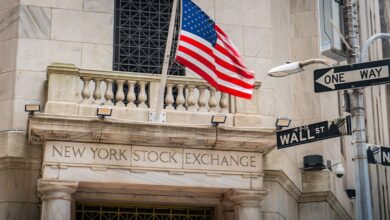
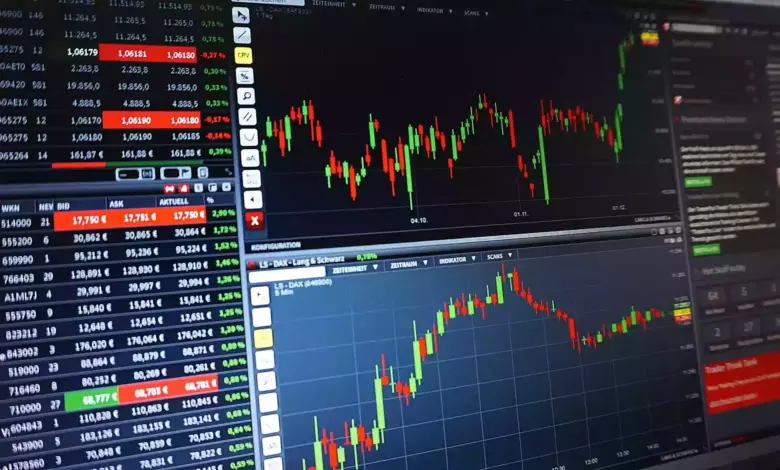
Market reaction has been notable. On October 21, 2026, UBA led trading volume on the Nigerian Exchange. According to data from Investors King, 48.14 million shares changed hands, valued at NGN 2.12 billion. This transaction volume represented 13.8 percent of the total equity volume for that session. With a market capitalization reported at NGN 2.4 trillion as of the same date, the high level of investor participation suggests that the market is actively reassessing the bank’s trajectory under new leadership.
However, the leadership handover occurs against a backdrop of significant legal and financial complexities involving the bank’s recovery and trade finance operations. UBA is currently engaged in high-profile disputes that test its ability to enforce contractual rights in international trade and domestic lending. The most prominent of these involves a $242 million claim against Vitol SA, a Switzerland-based energy trading company, and four other shipping firms.
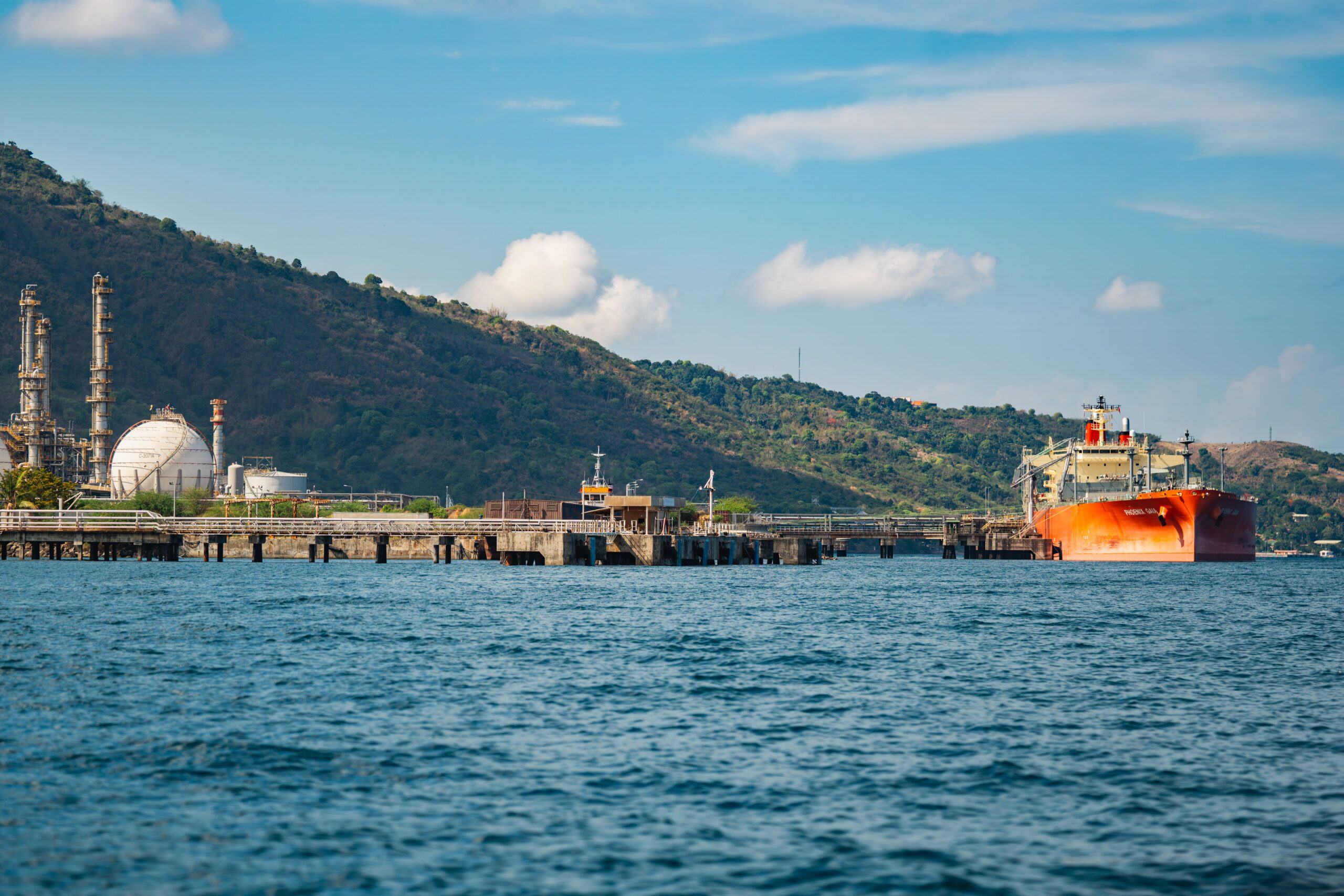
In a ruling by the Lagos State High Court, Justice K. A. Jose granted UBA interim preservative orders, specifically a Mareva injunction, against Vitol SA. The court’s decision, which included restraining the dissipation of assets and dealings in funds up to the disputed amount, was granted on three specific prayers. UBA alleged that Vitol wrongfully released cargoes of petroleum products—specifically gasoil—that were consigned to the bank’s order under relevant bills of lading.
The legal basis for the dispute rests on a letter of credit UBA issued to facilitate a petroleum products transaction. According to an affidavit submitted by Anthony Chilaka, UBA’s Group Head of Recoveries and Remedial Management, Vitol endorsed the bills of lading to the order of UBA and handed over the original copies. This endorsement, UBA maintained, entitled the bank to take possession of the cargo upon the completion of the voyage. However, the bank alleged that it never received the gasoil, claiming the cargo was diverted for the benefit of another party. UBA’s counsel, Bode Olanipekun, SAN, argued that the failure to deliver the products amounted to conversion, misrepresentation, and negligence. The bank cited 34 financial institutions and public agencies, including the Nigerian Ports Authority and Nigeria Customs Service, in connection with the application, highlighting the intricate web of stakeholders involved in the trade finance mechanism.
Simultaneously, UBA has intensified proceedings against WEMPCO, a domestic entity, over an alleged indebtedness of ₦61,445,695,993.76 (approximately $40 million at recent exchange rates, though the dispute is denominated in Naira). The Federal High Court, presided over by Justice Aluko, granted UBA’s application for substituted service of Form 49 on nine WEMPCO directors named as alleged contemnors. These proceedings arise from an earlier Mareva injunction that had appointed a receiver/manager over some of WEMPCO’s assets. The current contempt proceedings aim to determine whether the directors breached existing court orders, with the potential penalty being committal to prison if the allegations are established. UBA’s counsel alleged that the directors, alongside certain staff members, took steps to disobey the court’s directions regarding the assets.

These legal battles represent more than isolated corporate disputes; they reflect the broader risks inherent in UBA’s operational model. As a lender to large-scale trade and commercial entities, UBA is exposed to the complexities of international shipping law and domestic asset enforcement. The $242 million Vitol case touches on the integrity of bill of lading endorsements in petroleum trade, a sector critical to Nigeria’s economy. The WEMPCO case highlights the challenges of enforcing court orders against large corporate debtors in Nigeria.
The coincidence of a leadership transition with these active litigation efforts raises questions about how the new management will prioritize recoveries and risk management. Elumelu’s tenure saw the expansion of UBA’s geographic reach, but the current legal environment demands a sharp focus on asset protection. The bank’s response to these disputes will likely be scrutinized by both domestic and international stakeholders as a indicator of its operational resilience.
For now, the market is watching the execution. The high trading volume on October 21 suggests that investors are factoring in both the continuity of strategy under Nnorom and the potential financial impacts of these ongoing legal disputes. The next few months will likely see further developments in both the Lagos State and Federal High Court cases, with rulings that could influence UBA’s balance sheet and reputation in the trade finance sector. The bank’s ability to navigate these legal hurdles while maintaining its growth trajectory across 20 African countries will define the early period of Nnorom’s leadership.