
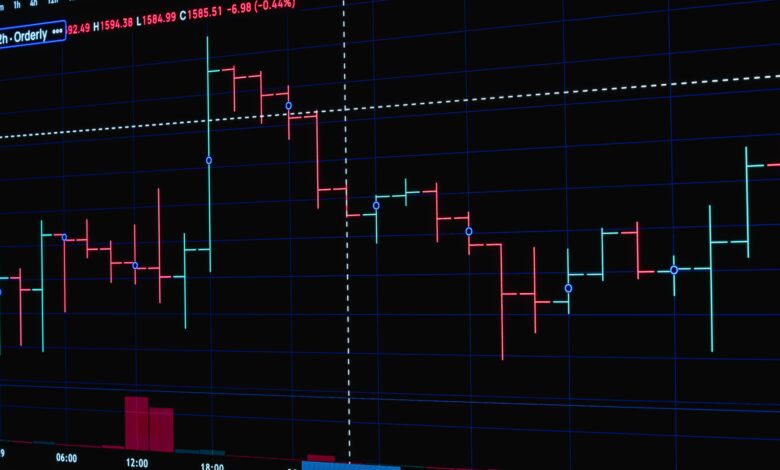
The catalyst for this volatility was not a single corporate earnings report, but rather a broader reassessment of the financial logic underpinning the AI revolution. Investors grew spooked by the scale of spending required by the world’s largest technology firms. These companies have committed vast sums to infrastructure, data centers, and computational power in a race to dominate the AI landscape. While the long-term potential of these technologies remains widely acknowledged, the immediate burden of such capex-intensive strategies is now being scrutinized through the lens of profitability and return on investment.
The market reaction was swift and decisive. As equities fell, investors turned to bonds, causing a leap in bond prices. This inverse movement is a classic indicator of risk aversion; when the perceived risk in growth-oriented technology stocks rises, capital flows into the perceived safety of fixed-income instruments. The simultaneous slump in stocks and rise in bonds underscores that this was not a localized correction but a systemic repricing of risk across global asset classes.
Japan’s market was particularly vulnerable to this sentiment shift. The Nikkei 225, heavily weighted toward technology and electronics manufacturers that are integral to the global AI supply chain, saw its tech-heavy components lead the decline. The 3% drop represented a tangible erosion of shareholder value, reflecting the market’s doubt about whether the massive outlays by AI giants would translate into near-term earnings growth. For businesses in the tech sector, this meant a sudden contraction in their valuation, complicating future investment decisions and potentially tightening the constraints on operational budgets.
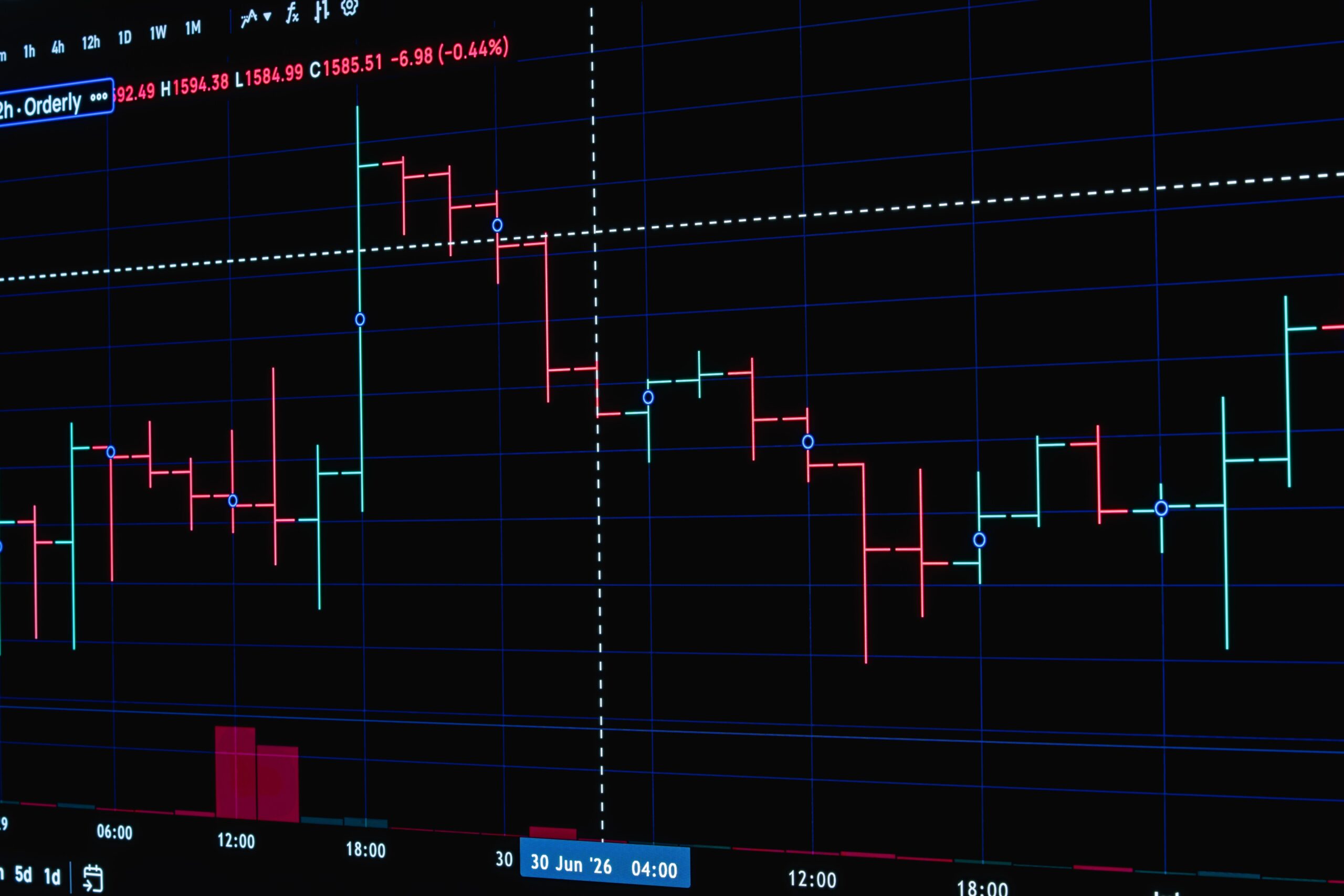
The core of the disagreement among investors is now centered on the timeline for returns. Proponents of the AI boom argue that the infrastructure buildout is a necessary precursor to transformative applications that will generate unprecedented revenue. However, the recent market movement suggests that a significant portion of the investor base is questioning the efficiency of this spending. The concern is that the capital expenditure required to maintain a lead in AI is so high that it may erode margins before the products mature enough to command premium prices. This uncertainty has created a volatile environment where shares of AI-related firms can swing sharply based on modest changes in sentiment or new data regarding spending levels.
This development affects a wide array of economic actors. For households, the decline in equity values directly impacts retirement portfolios and investment accounts, reducing perceived wealth and potentially curbing consumer confidence. For workers in the technology sector, while job security may remain high in the short term due to ongoing hiring for AI projects, the pressure on corporate profitability could lead to more cautious hiring practices in the medium term. Industries outside of pure tech, such as manufacturing and utilities, are also affected as the broader market sentiment sours, leading to a general risk-off posture that dampens investment across the economy.
The data from this trading day clearly distinguishes between observed outcomes and expectations. The observed outcome is a 3% decline in the Nikkei 225 and a concurrent rise in bond prices. The expectation being tested is that AI spending will continue to grow exponentially, but the market is demanding clearer evidence of monetization. There is no consensus yet on whether this is a temporary correction or the beginning of a sustained bear market for tech stocks. Analysts remain divided, with some viewing the sell-off as an opportunity to buy high-quality growth assets at a discount, while others warn that the capex burden may persist for years, weighing on earnings.

Businesses in the AI space are now navigating a more challenging environment. The need to justify massive spending to shareholders means that every dollar invested in data centers and chips must be tied to a clear path to revenue. This pressure may accelerate the pace of commercialization, as companies rush to demonstrate tangible benefits from their AI investments. However, it also introduces the risk of over-investment, where firms build capacity that exceeds market demand, leading to inefficiencies and wasted capital. The response from corporate management will likely be a combination of continued investment in core AI capabilities and a sharper focus on cost management and operational efficiency.
The uncertainty remains high. While the immediate shock has passed, the underlying questions about the sustainability of the AI spending cycle are not yet resolved. Investors are now in a holding pattern, waiting for further evidence from corporate earnings reports and guidance on future capital expenditures. The market is signaling that it will no longer accept the promise of future dominance as justification for current losses or low margins. This shift in discipline could lead to a more selective and cautious approach to investment in the tech sector, favoring companies with proven business models over those in the speculative phase of the AI cycle.
As the dust settles from this trading session, the focus returns to the specific companies and sectors that drove the initial volatility. The Nikkei 225’s 3% drop serves as a stark reminder that even the most promising technological revolutions are subject to the rigorous scrutiny of the financial markets. The next few weeks will be critical, as investors look for signs of stabilization. The key metric to watch is not just the stock price, but the commentary from corporate executives regarding their spending plans. If companies signal a slowdown in capex or a clearer path to profitability, the market may stabilize. If they continue to emphasize relentless expansion without immediate financial returns, the risk of further volatility remains high. The household investor and the corporate CFO alike are now operating in an environment where the cost of innovation is being priced in with unprecedented clarity, marking a new chapter in the economics of the digital age.