
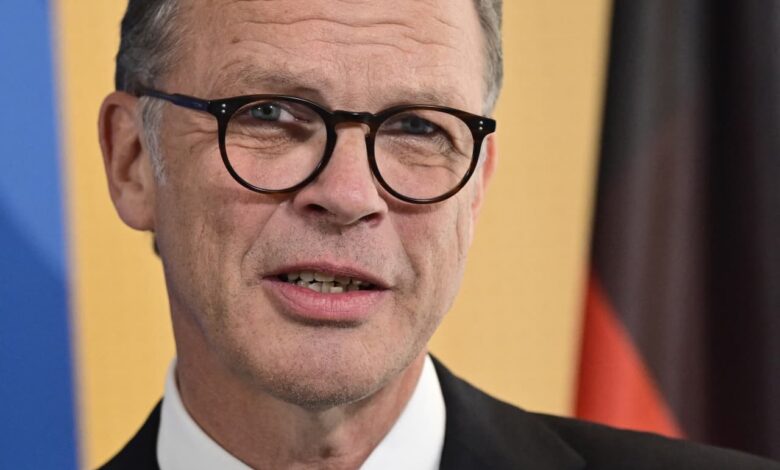
The centerpiece of the investigation, led by a consortium of more than 200 journalists including the Financial Times, Der Spiegel, and Le Monde, is the revelation that Deutsche Bank processed $582 million in suspicious payments linked to the late financier and convicted sex offender Jeffrey Epstein. This figure is significantly higher than previously known amounts. While the report notes that suspicious payments do not inherently prove every transaction was criminal, the scale of the activity has drawn immediate attention to the bank’s anti-money laundering protocols. Additionally, the files disclose that the bank mistakenly leaked details of U.S. President Donald Trump’s tax statements in March 2017. Christian Sewing, who was head of private banking at the time and is now CEO, had described the blunder as “an awful mistake,” and the documents suggest the error was kept secret from the White House.
Further allegations in the 15-million-document trove indicate that Deutsche Bank failed to offboard approximately 28,000 problematic investment bank clients identified for removal by early 2018. The investigation also cites instances where the bank allegedly concealed information regarding cost targets in 2021, a period when external monitors in New York reportedly warned that the bank’s risk appetite was exceeding its controls. The files also contain details of relationships with oligarchs and transactions linked to Russian money-laundering concerns, which motivated whistleblowers to send the data to journalists Josy Joseph and Khadija Sharife.

Deutsche Bank responded in a statement asserting that the issues described in the reports go back many years. “Where relevant, we reviewed these matters at the time and worked closely with regulators,” the bank said. The lender emphasized that it has undergone a “fundamental transformation” under CEO Sewing, highlighting €7 billion in investment in risk controls between 2019 and 2025. “Deutsche Bank is a different bank today and remains focused on executing it,” the statement read.
The latest disclosures add to a long history of regulatory scrutiny for the German bank. According to the Financial Times, Deutsche Bank has been raided multiple times by German officials this year. Since 2012, the institution has paid out approximately €18.6 billion ($20.5 billion) in settlements related to alleged market manipulation, money laundering, mis-selling, and misrepresentation. The market reaction on Tuesday followed the publication of these findings, with shares trading lower in Frankfurt amid renewed questions about the efficacy of the bank’s compliance overhaul.
No immediate new regulatory action or specific deadline for remediation was announced in the available reports. The next step in the narrative depends on further media analysis of the remaining leaked documents and any subsequent response from German financial authorities.




One Comment