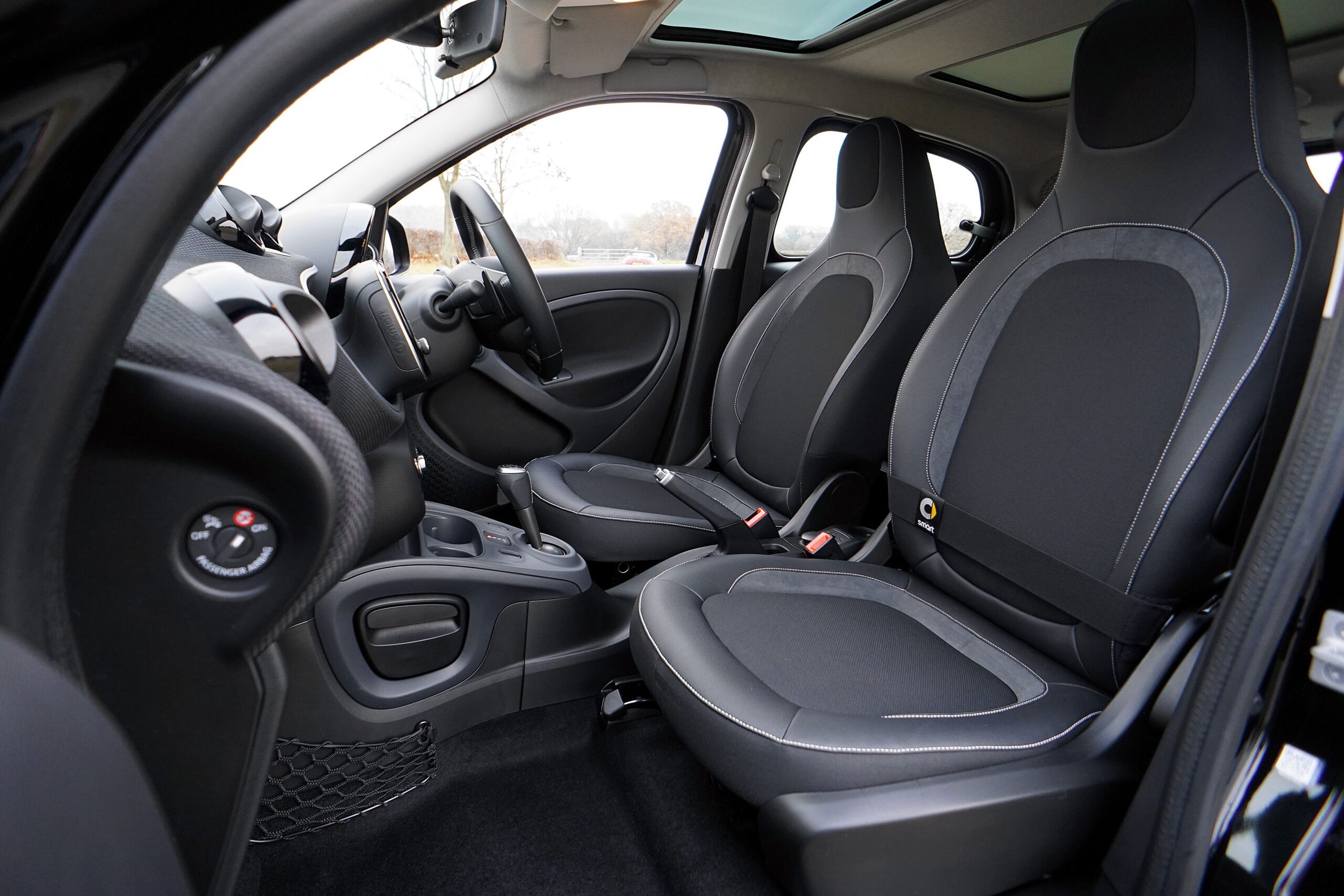
The first recall, disclosed by the U.S. National Highway Traffic Safety Administration (NHTSA) on Wednesday, involves 550,007 vehicles in the United States. This action targets specific 2021-2024 Highlander and Highlander Hybrid models where the second-row seat-back mechanism may fail to lock. According to NHTSA, this defect increases the risk of injury. Dealers are mandated to replace the return springs in the seat-back recliner assemblies at no cost to owners. This repair addresses a mechanical flaw in vehicles that have been on the road for up to four years, reflecting a long-term durability issue in the vehicle’s interior structure.
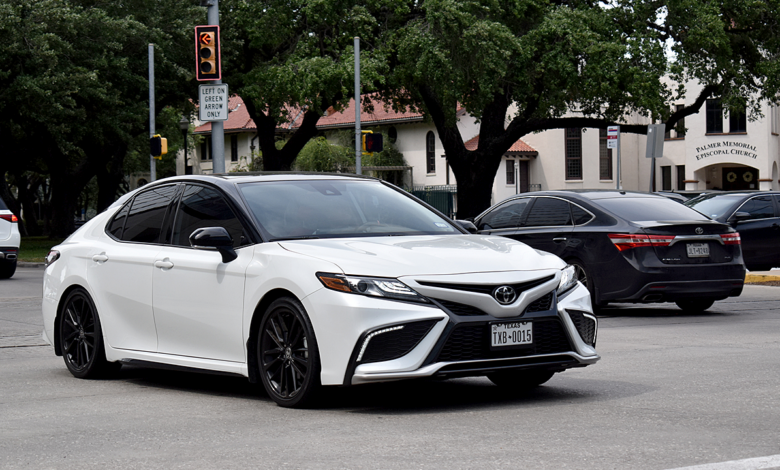
Simultaneously, Toyota announced a global recall of approximately 655,000 Camry vehicles to address a software-related display error. This recall covers vehicles produced between December 2023 and July 2026 across manufacturing facilities in the U.S., Japan, and Thailand. The defect is specific to the 7-inch display combination meter found in LE, SE, and Nightshade trims; the larger 12.3-inch driver display used in XLE and XSE trims is not affected. In the U.S. market, 508,354 model year 2025-2026 Camry Hybrids are included in this count.
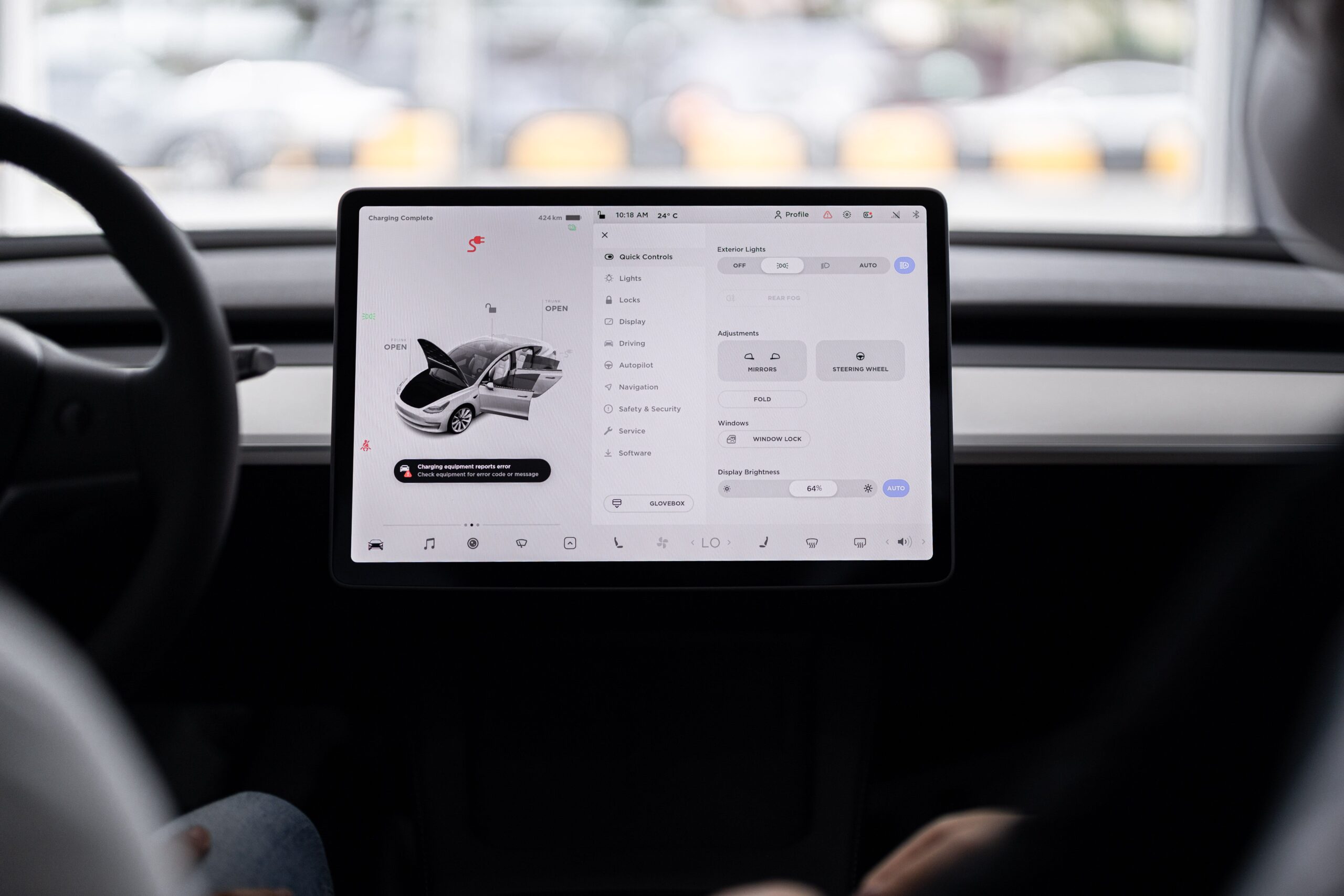
The nature of the Camry defect is that the 7-inch combination meter may become blank at startup. Toyota’s statement clarifies that this failure deactivates turn signal and hazard lamps, as well as certain warning buzzer sounds, including reminders for smart keys and seat belts. The NHTSA warns that this non-display of required information creates an increased risk of injury or crash. Drivers may be unable to see telltale indicators, while other road users are left unaware of a driver’s intent to turn or of a vehicle hazard. The resolution for this issue is a free software update at dealers, a process that distinguishes this recall from the mechanical spring replacement required for the Highlanders.
These two major actions are part of a broader pattern of quality corrections for Toyota in 2026. According to industry summaries of the automaker’s recent activities, Toyota is also recalling certain 2026 Corolla models due to missing headlight aim markings, which can result in improperly aimed headlights and glare for oncoming traffic. Additionally, some Corolla Cross Hybrid models produced between 2023 and 2025 are being recalled because they may fail to make sufficient pedestrian warning sounds when in reverse, a violation of Federal Motor Vehicle Safety Standard number 141. Dealers will update the software for these pedestrian warning sounds free of charge.
Further recalls include 2026 Grand Highlander and Grand Highlander Hybrid models, where rear axle carriers may have been manufactured with insufficient material strength. A break in the carrier could lead to a sudden loss of vehicle stability and control. Dealers will address this through necessary replacements. Additionally, a wide range of vehicles including the Tundra, Tacoma, RAV4, Land Cruiser, Sequoia, Crown Signia, and Grand Highlander, as well as certain Lexus models made between 2024 and 2025, are subject to a recall for incorrect load carrying capacity labels. These labels may display inaccurate added weight values, potentially leading to vehicle overload and increased crash risk, failing to comply with Federal Motor Vehicle Safety Standard number 110.
The scale of these recalls, totaling over 1.2 million units when combining the Highlander and Camry actions alone, places significant operational and financial pressure on Toyota’s service networks. While the automaker is known for its historical reliability, this volume of recalls across multiple model years and manufacturing regions—from Japan to Thailand to the U.S.—suggests systemic challenges in quality assurance. The economic impact extends beyond the cost of parts and labor; it affects consumer confidence and the residual value of affected models. For the 550,000+ Highlander owners in the U.S., the recall is a necessary maintenance event to ensure structural integrity. For the 508,000+ U.S. Camry Hybrid owners, the software update is critical to restoring basic safety signaling functions.
As dealerships process these updates and replacements, the focus remains on compliance with federal safety standards. The transition from mechanical failures in older models to software and display issues in newer hybrids reflects the evolving complexity of modern vehicle engineering. For consumers, the immediate next step is to check their Vehicle Identification Numbers against NHTSA records and schedule the respective mechanical or software repairs. The broader economic watchpoint is whether these frequent recalls will impact Toyota’s market share and pricing power in the competitive U.S. and global automotive sectors in the coming quarters.