
The primary driver of this regulatory intervention is the preservation of Kenya’s export reputation. Industry experts and regulatory bodies have long cautioned that premature harvesting, often driven by the desire to meet shipping schedules, undermines the country’s standing in global markets. By restricting sea exports, the AFA aims to prevent the harvesting of under-ripe fruits, a practice that risks blacklisting by international buyers. The directive emphasizes that only mature avocados should be harvested to maintain the high standards that have allowed Kenya to become one of Africa’s leading avocado exporters, a crop that generates billions of dollars in foreign exchange annually.
Despite the suspension of sea shipments, the trade channel is not entirely closed. The AFA has confirmed that exports of the specified varieties may continue by air, provided they meet strict compliance requirements. Export clearance will be granted subject to inspection by the Directorate, and traceability information will be mandatory for all consignments. This bifurcated approach allows the industry to maintain some level of international trade flow while enforcing quality controls more rigorously than sea freight logistics might permit.

The measure also impacts the avocado oil processing sector. The harvesting season for processors has officially closed, and inspections are underway to verify existing oil stocks. Export permits will only be issued for oil processed before the closure date. Processors holding old stocks must request inspection and clearance through the AFA’s compliance office; no permits will be granted for oil processed after the season’s closure. This distinction is crucial for market participants, as it separates pre-existing inventory from new production, ensuring that only compliant goods enter the export pipeline.
Regulatory compliance extends beyond fruit maturity. The AFA has reiterated that mixing mango consignments with avocado during shipment is strictly prohibited. The authority noted that some exporters have attempted to circumvent restrictions in past years, a practice that contravenes Section 20(5) of the Crops (Horticultural Crops) Regulations, 2020. Regulatory action is expected against such non-compliance, signaling a stricter enforcement posture ahead of the upcoming trading period.
This development occurs against a backdrop of shifting global trade dynamics. In recent years, Kenya has sought to diversify its export markets to reduce reliance on the European Union, adding new destinations such as India in September 2023. However, recent disruptions, including shipping delays and detours around the Cape of Good Hope due to the Red Sea crisis, have squeezed exports to Europe. Producers have reportedly scrambled to find new markets in Asia and beyond, while authorities work on policies to increase harvests and spread them more evenly throughout the year. The current export halt may further complicate these diversification efforts, forcing a heavier reliance on air freight, which is significantly more expensive than sea shipping, or a pause in international sales until the next assessment.
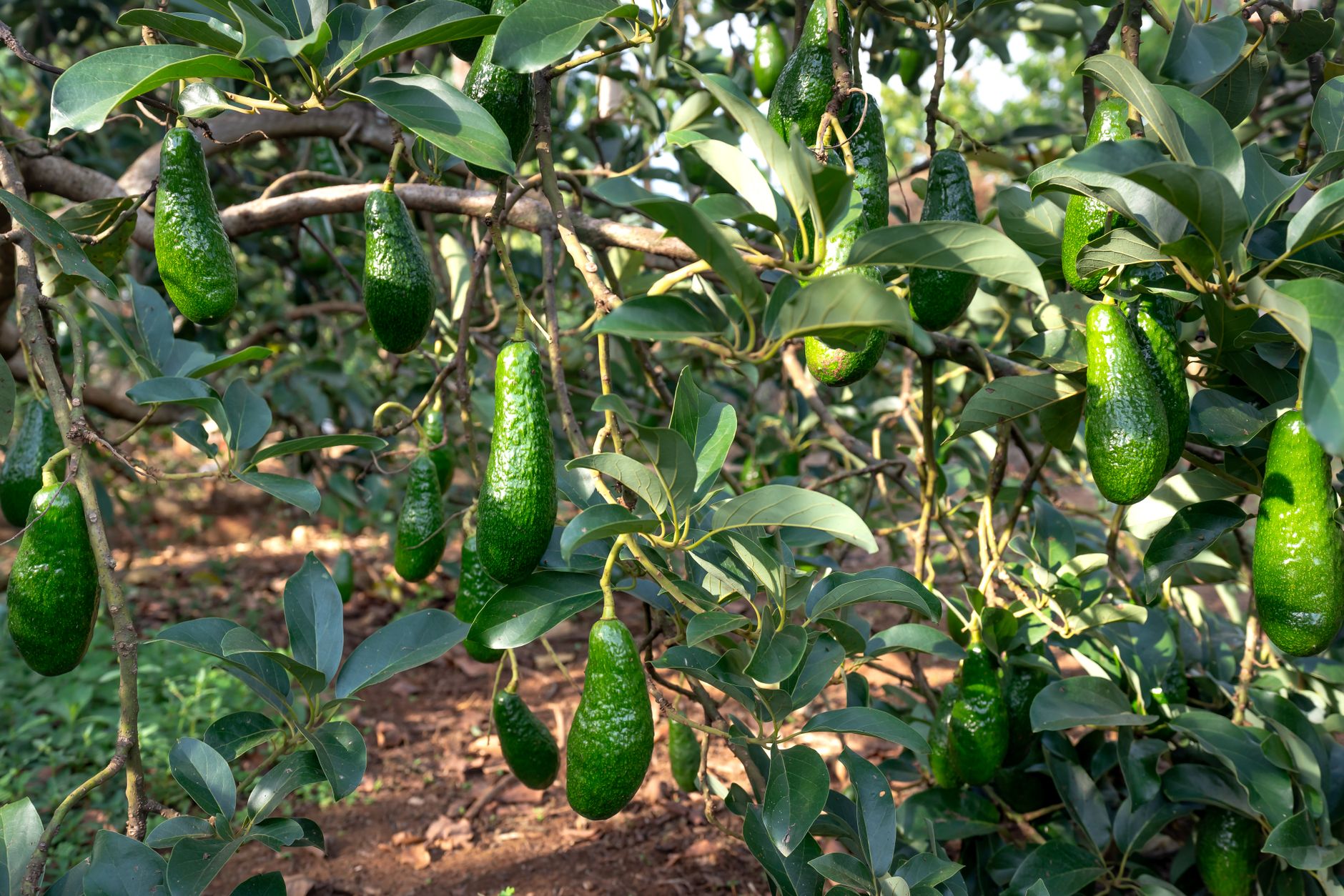
The AFA will continue to monitor maturity trends in major avocado-producing zones. An updated advisory is scheduled for January 2026 to guide stakeholders on future exports. Until then, the suspension of sea shipments serves as a protective measure, prioritizing long-term market access over short-term volume. For domestic markets, the restriction on exports may lead to increased local availability of main-season varieties, though the specific impact on domestic prices will depend on the scale of the harvest remaining in the country following the air export allowances.
The next critical datapoint for the industry will be the January 2026 advisory, which will determine whether sea exports resume or if the restrictions are extended. For now, traders and producers are advised to focus on compliance with inspection and traceability protocols for any air shipments to avoid further regulatory penalties.