The ruling comes after Saylor previously blocked the rule temporarily on the day before it was set to go into effect. Monday’s decision is a final judgment on the merits of the case, although an appeal from the government regarding the initial injunction remains pending. In his written opinion, Saylor described the proposed regulation as “arbitrary, capricious, an abuse of discretion, and otherwise not in accordance with law.” The judge’s language signals a strong rejection of the administrative basis for the policy, suggesting that the agency did not follow proper procedural or substantive standards when crafting the rule.
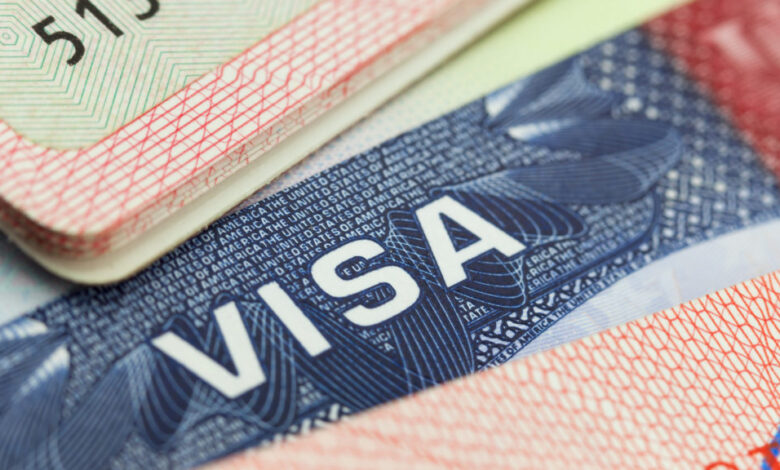
The core of the dispute centers on the practical implications of a four-year cap for graduate education. Under the proposed rule, international students and postdoctoral researchers would have been required to apply to the federal government for an extension after four years, subject to a renewal system that Saylor characterized as “unreviewable” and “completely discretionary.” The judge noted that the DHS had failed to adequately explain how such a system would enhance its ability to root out fraud or how its benefits would outweigh the “immense costs” of abandoning the existing visa framework. For many fields of study, particularly in the sciences and engineering, a four-year limit is often insufficient to complete a doctoral degree, creating a structural barrier to the completion of advanced academic work.
The legal challenge was brought by a coalition of eight advocacy and labor groups that filed suit in August. The plaintiffs alleged that the government had failed to meaningfully respond to concerns that the visa limit would harm universities by reducing international student enrollment. Among the plaintiff groups, four count Harvard University or its affiliates as members. The lawsuit highlighted the intersection of immigration policy and institutional stability, arguing that the rule would disrupt educational plans and burden campuses with administrative hurdles.

University leaders had voiced specific concerns about the policy’s impact on research and recruitment. Harvard President Alan M. Garber, a member of the Presidents’ Alliance on Higher Education and Immigration, described the rule as “odd” in July remarks at the Economic Club of Washington. He noted that a typical Ph.D. program takes longer than four years to complete, warning that the changing nature of immigration policy could deter students who would otherwise be interested in studying in the United States. The Harvard International Office had previously issued guidance to university affiliates stating that the rule would have a “significant impact” on international students, though it has yet to update that guidance to reflect Monday’s ruling.
Miriam Feldblum, president of the Presidents’ Alliance, characterized the ruling as a “clear and important victory” for international students, scholars, and the universities that host them. In a statement, she argued that the decision prevents “arbitrary hurdles and unnecessary barriers.” Feldblum pointed to “significant declines in international student enrollment and interest” as evidence of the harmful consequences of the administration’s broader policy actions. She warned that if implemented, the rule would have further weakened the ability of U.S. institutions to attract international talent, a concern that resonates with research advocates who view international students as a critical component of the nation’s academic and economic competitiveness.
The Department of Homeland Security had defended the rule as necessary to improve oversight of international student visas. However, the judge found that the agency’s justification was insufficient. Saylor wrote that the rule’s provisions, which would also limit students’ ability to shift academic trajectories or receive multiple degrees at the same level, were “not ‘reasonably related’” to the student visa program. He concluded that, “Put bluntly, DHS is seeking to prevent or discourage the very activity—providing educational opportunities for foreign students in the United States—that Congress sought to permit and encourage.”

The decision underscores the tension between executive branch efforts to streamline immigration enforcement and the statutory mandate to support educational exchange. While the government retains the option to appeal the initial injunction, the final ruling provides immediate clarity for universities and students who had faced uncertainty regarding their visa status. For the eight plaintiff groups, including labor unions and academic associations, the victory preserves the current regulatory environment, allowing graduate students to pursue degrees without the threat of an automatic mid-program visa expiration. The ruling stands as a judicial affirmation that administrative rules must be grounded in reasoned analysis and must not inadvertently undermine the legislative intent of the visa programs they regulate.
As the academic community processes the decision, the focus shifts to the pending appeal. The outcome of that process will determine whether the four-year cap remains permanently off the table or if the legal battle continues in higher courts. For now, the status quo is restored, allowing institutions to continue recruiting and supporting international scholars without the administrative burden of a new, restrictive visa regime.