
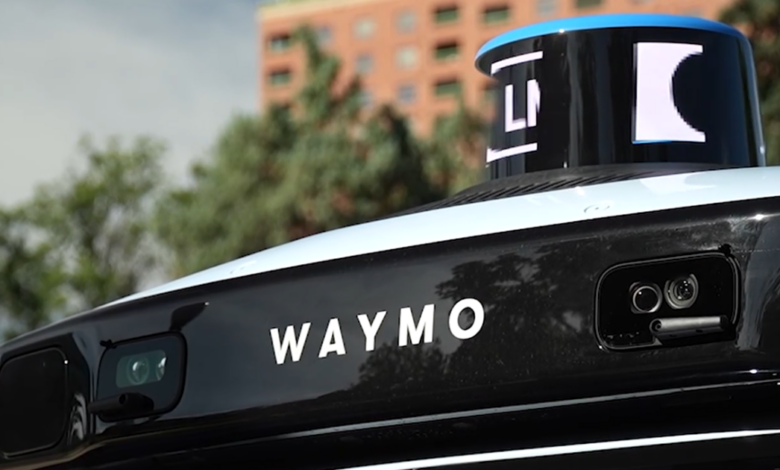
Waymo’s operational permit is issued by the Colorado Public Utilities Commission, which classifies the vehicles as “luxury limousines” due to the lack of a specific autonomous vehicle application. Under state law, Waymo certified its technology as safe without input from public officials. According to city presentations, Waymo launched to the public in September and currently operates 60 vehicles across 50 square miles. The company has informed the city of likely expansion late this year, with goals for full metro service and approval to serve Denver International Airport. While the airport has allowed mapping on its private roads, it has not yet approved active operations.
The practical effect of this preemption is that Denver’s role is limited to enforcing existing traffic and parking rules. The Denver Police Department can issue citations to vehicle owners for traffic violations, and the transportation department can enforce parking rules. A Denver police lieutenant stated that the department has responded to four crashes involving Waymo since its launch. All four were low-level incidents involving property damage only, with no injuries, and Waymo was not at fault in any of them. In three instances, the Waymo vehicle was the victim of a hit-and-run. Police also reported two incidents of crime against the vehicles, including harassment and vandalism, which the district attorney declined to prosecute.

Council members expressed frustration that the state rushed autonomous vehicle legislation, leaving the city unable to protect public health, safety, and welfare. One committee chair noted that Waymo “just kind of appeared” without prior notice to the council. Concerns were also raised regarding wheelchair access, as no state law requires accessible vehicles, and the use of out-of-state license plates. City officials stated they have not yet discussed the issue with the Public Utilities Commission but anticipate state legislative changes as early as next year, with the city planning to engage with the state when the legislative session opens in January 2027.
Other autonomous vehicle companies are also considering Denver. Zoox Inc. began test mapping this fall and is set to begin occasional manual operations in Boulder from mid-November through winter. Tesla has held conversations with the city, and Stack AV operates near the airport and on Peña Boulevard. Aurora trucking is expected to deploy in 2027. Drivers’ groups, including Colorado Independent Drivers United, have called for a strong regulatory framework or a complete ban, citing the presence of over 35,000 rideshare drivers in the state.
Experts note that while federal guidelines have historically been voluntary, there is growing interest in a stronger federal role to define safety standards, with states retaining control over street operations. The current regulatory environment in Colorado highlights the tension between state preemption and local governance needs as autonomous vehicle technology expands.




One Comment