
Sequence of Attacks
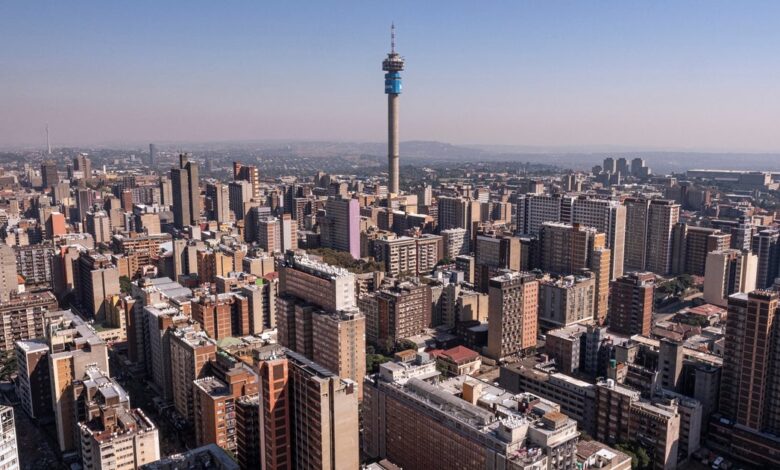
The first major incident occurred on Saturday evening in Wedela township, located southwest of Johannesburg. According to police, eight gunmen armed with AK-47 assault rifles and pistols stormed a neighborhood bar. The suspects initially opened fire on customers drinking outside the establishment before moving inside to continue the shooting. The attack resulted in the deaths of 17 people, including 13 males and four females, and left 15 others wounded. Police stated that the perpetrators torched two vehicles before fleeing the scene. The motive for this specific attack remains under investigation, though authorities are exploring a potential link to a previous shooting incident in the area, suggesting a possible revenge attack. Residents of Wedela have historically reported violence associated with illegal mining gangs.
Hours later, in the predawn hours of Sunday, a second mass shooting took place in Lwandle township, near Cape Town. Gunmen targeted a store connected to a nighttime entertainment venue. This attack killed 10 people and wounded 11 others. Police did not specify the exact number of shooters involved in this incident. Of the 10 victims, five were declared dead at the scene, while the remaining five succumbed to their injuries during transport to or while at the hospital. In a separate update regarding a prior incident in a tavern, it was noted that the death toll rose to 18 after one additional victim died from injuries sustained in a related shooting, though the primary focus of the current wave involves the three distinct events described above.
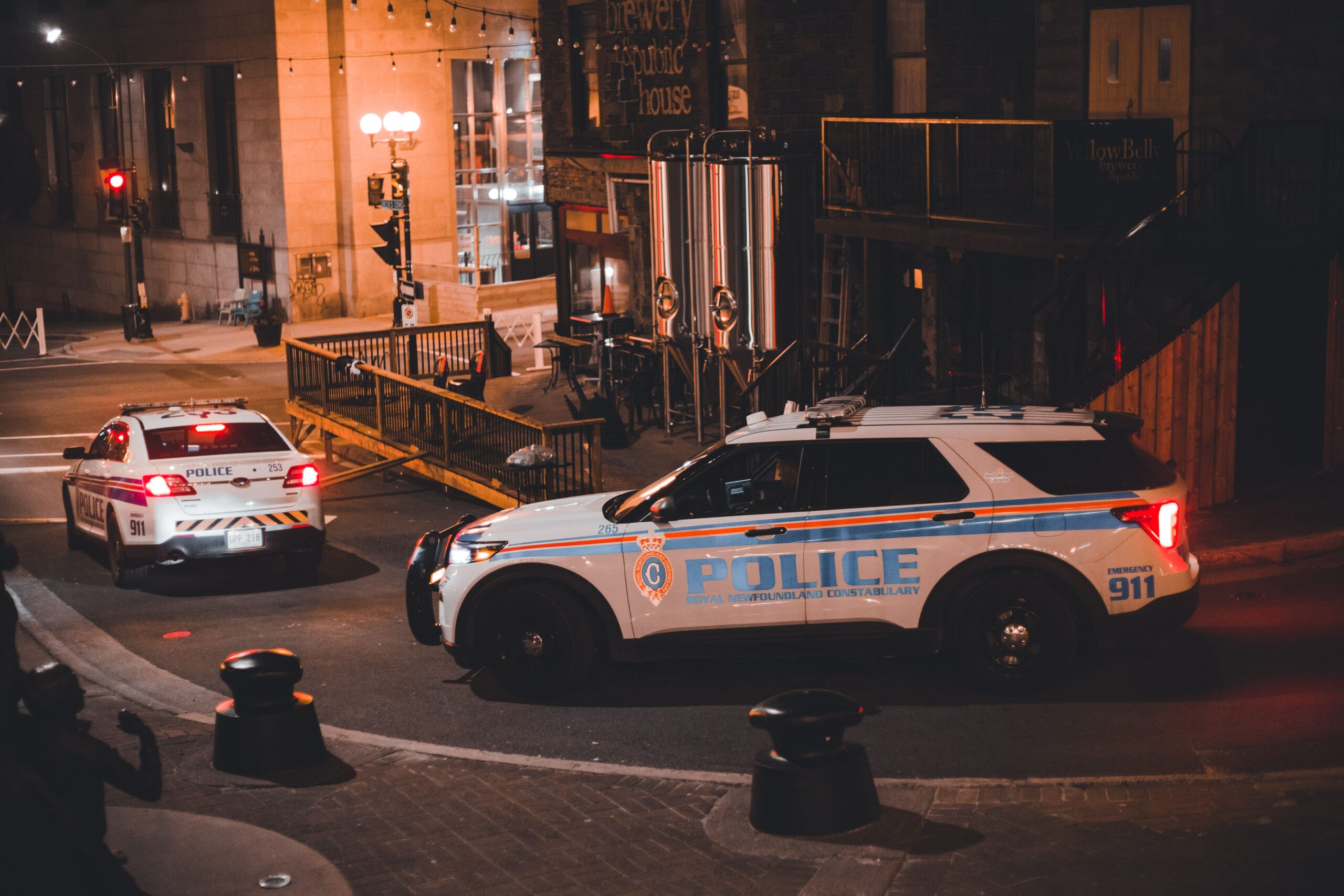
The third incident in this series occurred on Tuesday night in KwaMakhutha township, near Durban. Three gunmen, at least one of whom was armed with an AK-47, forced their way into a house party. The attack resulted in 11 deaths. Police confirmed that all three of this week’s mass shootings involved multiple perpetrators, a pattern that distinguishes these events from the lone-gunman attacks more commonly seen in other countries.
Investigation and Context
South African police define a mass shooting as an incident in which three or more people are shot in a single attack. All three incidents this week met or exceeded this threshold. Authorities have indicated that many of these mass shootings are linked to criminal gangs engaged in turf wars or seeking to establish control over specific communities and informal business sectors. The country, with a population of approximately 62 million, records roughly 60 murders per day, one of the highest rates globally. The proliferation of both legal and illegal firearms is cited as a significant contributing factor to the persistence of such violence.
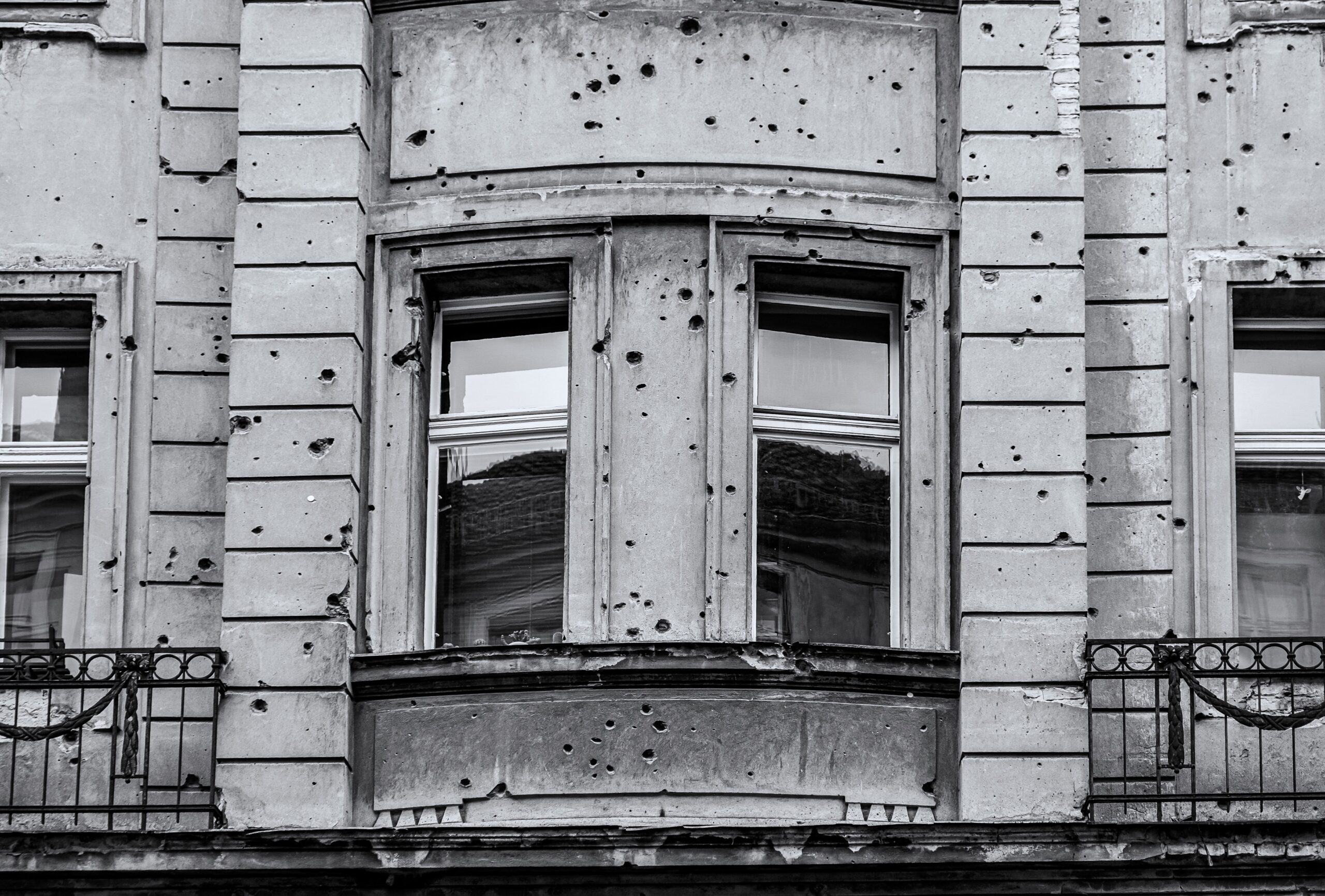
The government has previously deployed the military to support police efforts in tackling rampant crime. In March, soldiers moved into violence hotspots in Johannesburg to assist law enforcement. President Cyril Ramaphosa has described crime as one of the biggest threats facing the country. This follows earlier deployments during the 2020 pandemic lockdowns, the 2021 riots sparked by the jailing of former President Jacob Zuma, and unrest in 2023 related to truck burnings.
Currently, no suspects have been arrested in connection with any of the three shootings. Police are actively hunting for the eight suspects identified in the Johannesburg attack and are continuing inquiries in Cape Town and Durban. Legal proceedings have not yet commenced, as the cases remain in the investigative phase. Victims’ families and legal representatives are expected to engage with the courts once charges are formally laid, though no timeline for indictments has been provided. The focus of the investigation remains on establishing the specific criminal networks responsible for these coordinated acts of violence.