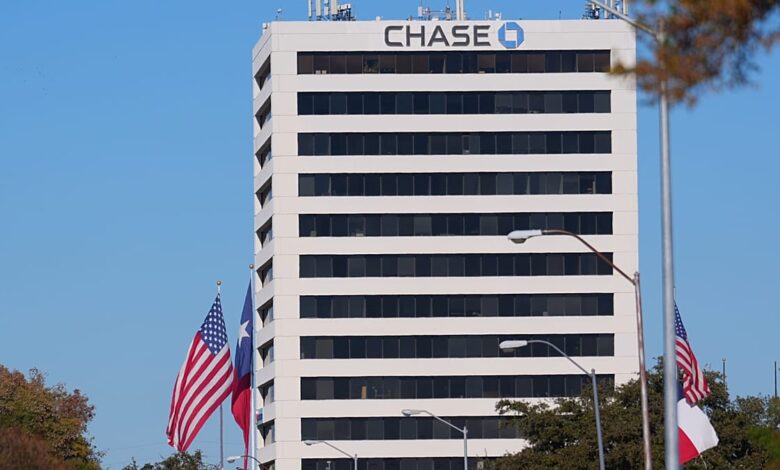
The root cause was identified as a technical failure within Chase’s on-premise hardware systems, rather than a cyberattack. Joe Evangelisti, a spokesperson for JPMorgan Chase, stated that the bank had experienced a “temporary issue related to a software bug in an on-premise hardware system” and emphasized that there was “no evidence this is cyber-related.” The bank clarified that while the core issue was internal, the nature of Chase’s role in the US payment ecosystem meant that the slowdown affected transactions involving other banks, even if those institutions’ own systems were functioning normally.
The disruption extended significantly to the peer-to-peer payment network Zelle, which is owned by Early Warning Services, an Arizona-based company backed by major banks including Chase, Bank of America, and Wells Fargo. Although Zelle reported that its own network was operating normally, users reported delays in sending and receiving payments. This occurred because Zelle transactions are accessed through participating banks; therefore, technical bottlenecks at a major partner bank like Chase directly impeded transaction processing for the wider network. U.S. Bank, for instance, stated that while its core systems were unaffected, customers sending or receiving Zelle payments involving other institutions could experience delays.
Market and customer impact was primarily characterized by slowed service rather than total loss of access. Chase noted that while it was “taking longer than usual to service some customers,” customers continued to have access to their accounts and funds. The bank pledged to restore full service by the end of the day, and a spokesperson confirmed that by approximately 6:30 p.m. Eastern Time (23:30 GMT), transactions were posting normally. However, it was noted that the restoration of processing speeds does not guarantee that every individually delayed payment had been fully completed by that hour.
This banking disruption follows a series of high-profile technical failures in US critical infrastructure last week, raising questions about systemic reliability. On Thursday, a widespread outage at Microsoft disrupted services including Outlook, Teams, and the AI assistant Copilot, which the company attributed to a technical issue during an upgrade. The day after, the Federal Aviation Administration (FAA) issued a nationwide ground stop for several hours following a malfunctioning router that overwhelmed the air traffic control system. While government officials and company leaders have stated these incidents are unrelated to the Monday banking outage, the proximity in time has fueled public concern.
Security experts have urged caution in dismissing these events as mere technical glitches. Jody Westby, CEO of cybersecurity advisory firm Global Cyber Risk, told Al Jazeera that the rapid conclusion that these were isolated technical issues is “very concerning.” She argued that the public deserves a more complete explanation and that more detailed investigations are needed to analyze whether there are underlying correlations between these disparate failures. “My concern is that we are not diligently looking into these incidents and analysing them, and even with a global working group to make sure that we can determine whether there are any correlations,” Westby said.
The incident underscores the increasing interdependence of US financial infrastructure. As major banks like Chase handle a high volume of interbank transactions, a localized hardware or software failure can propagate through the system, affecting the liquidity and payment speed for millions of consumers and businesses across the country. The lack of a confirmed cyber threat is a relief for market stability, but the recurrence of major outages in tech, aviation, and banking within a single week highlights the vulnerability of critical digital and physical systems to technical degradation.
There is no upcoming specific data release related to this incident, but regulatory scrutiny of critical infrastructure resilience may increase in the coming weeks as investigations into the specific hardware failures continue. The immediate risk has subsided with the restoration of services, but the broader economic implication remains the potential for operational disruption in the high-frequency financial sector.