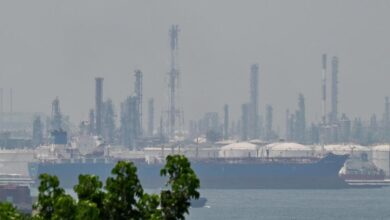
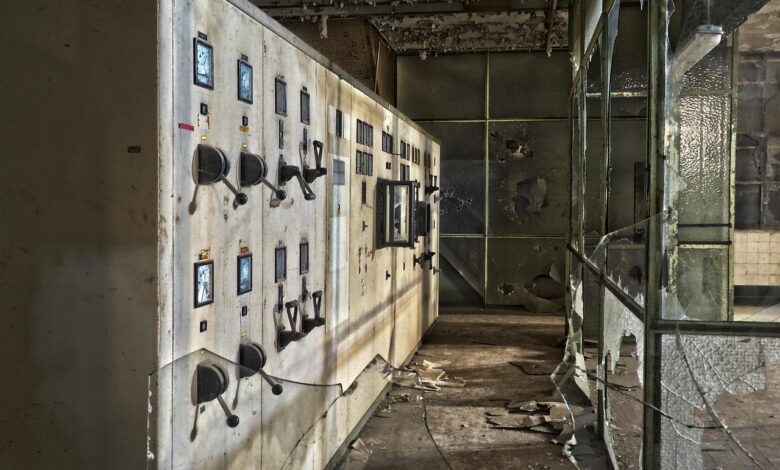
The core of the misinformation centers on the notion that a “federal emergency test system” will trigger a prolonged power outage. In reality, while power grid operators and government agencies do conduct regular tests to ensure the stability and security of the electrical infrastructure, these tests are designed to verify system integrity, not to induce blackouts. There is no documented plan or announcement from federal authorities or international grid operators regarding a 90-day suspension of power services starting on November 17. The technical infrastructure of modern power grids, while complex, relies on continuous monitoring and real-time adjustments that make a coordinated, global, multi-month outage without prior warning or visible precursor events highly improbable under normal operational conditions.
The energy significance of such rumors lies not in their technical feasibility, but in their potential to disrupt market stability and public trust. In commodity markets, credible news of a major supply shock can lead to rapid price volatility. While the current rumors have not yet triggered verified spikes in wholesale electricity prices or fuel costs, the mere perception of instability can influence consumer behavior and investment decisions. For industries reliant on uninterrupted power, such as data centers, manufacturing, and healthcare, the credibility of grid operators is paramount. When unfounded rumors of massive outages spread, it forces companies to re-evaluate their contingency plans, potentially leading to unnecessary expenditures on backup generation or energy storage solutions, thereby distorting the efficient allocation of resources in the energy transition and grid modernization sectors.
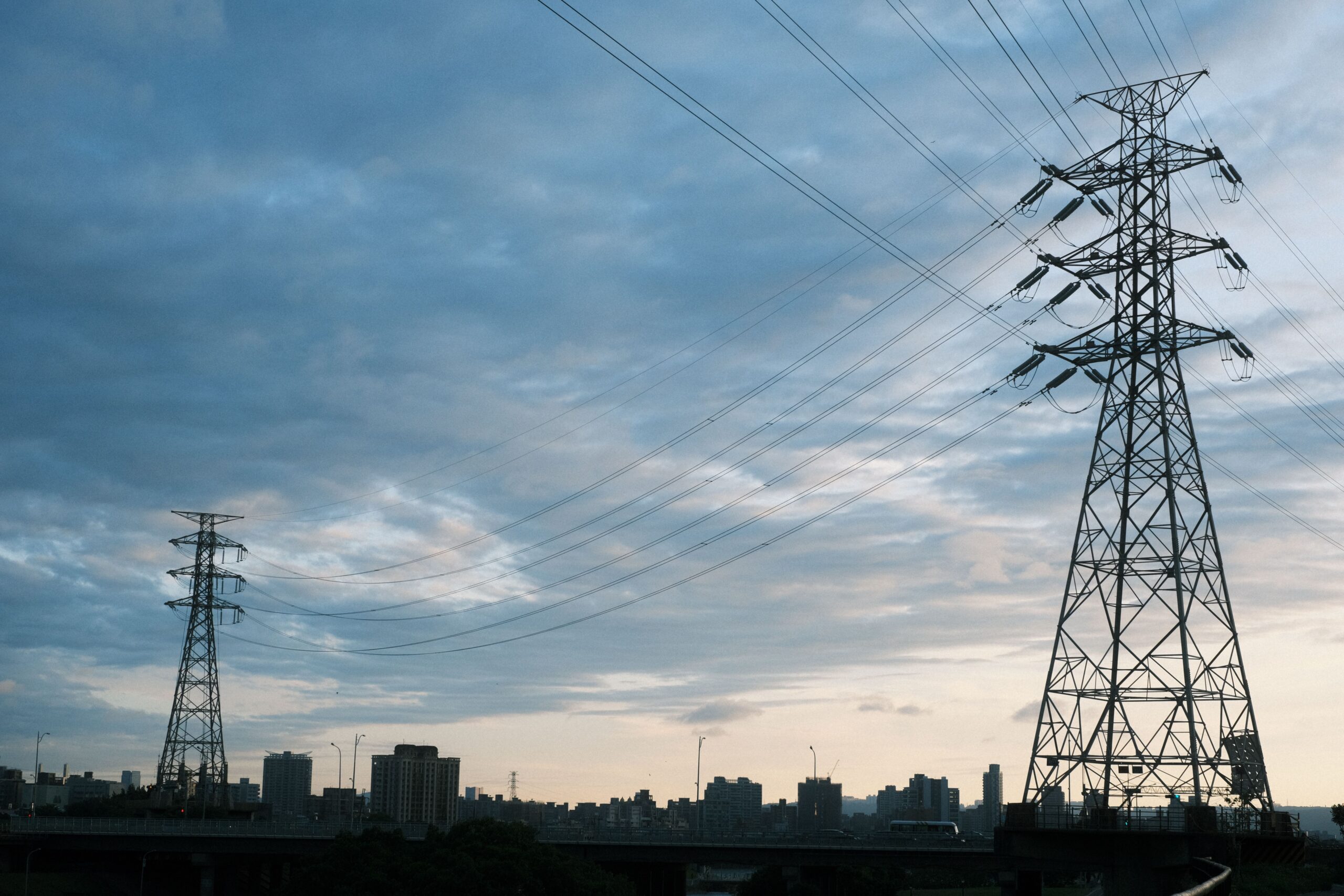
From an infrastructure perspective, the global power grid is not a single monolithic entity but a collection of interconnected national and regional systems. Each of these systems operates under distinct regulatory frameworks and technical standards. A “global” blackout would require a simultaneous, catastrophic failure across hundreds of independent operator networks, spanning diverse geographic and political landscapes. Such an event is not supported by any current threat assessment from energy security organizations. Instead, grid operators focus on managing localized challenges, such as peak demand, weather-related stress, and the integration of variable renewable energy sources. The data from these operators consistently show that while grid reliability is a continuous challenge, it is managed through proactive maintenance, investment in transmission capacity, and advanced control systems, rather than through the execution of prolonged, unannounced blackouts.
The drivers behind the spread of this specific rumor appear to be more sociological than technical. In an era where energy security is increasingly viewed through the lens of geopolitical risk and climate change, the public is more attuned to the fragility of the energy supply chain. This heightened awareness, while healthy, can be leveraged by bad-faith actors to spread fear. The lack of a clear, verified source for the November 17 date makes it difficult for fact-checkers to pinpoint the origin, allowing the narrative to mutate and persist. Unlike traditional energy news, which relies on hard data such as megawatt output, fuel reserves, and price indices, this story relies on emotional appeal and the absence of a definitive public denial from all relevant parties in every jurisdiction, creating an informational vacuum that rumors fill.

For consumers and businesses, the practical impact of such misinformation is primarily psychological and operational confusion. Households may begin to stockpile non-perishable goods or invest in personal power backups not based on actual risk assessments, but on viral forecasts. This behavior can create artificial demand spikes in certain consumer goods, mimicking the effects of a genuine supply shortage. For grid operators, the challenge is to maintain normal operations while managing public perception. Transparency in reporting on grid performance, cyber-security measures, and emergency protocols is essential to counteract these narratives. However, the sheer volume of online content makes it difficult for official communications to reach all segments of the public, leaving a gap between technical reality and public perception.
The reliability of the energy system is currently underpinned by robust regulatory oversight and continuous investment in grid modernization. While no energy system is immune to failure, the scale and duration suggested by the rumors do not align with the operational realities of the global power sector. There are no verified reports of fuel shortages, infrastructure sabotage, or system-wide technical failures that would necessitate a 90-day outage. The uncertainty surrounding the origin of the rumor remains unresolved, but the absence of corroborating evidence from major energy agencies, grid operators, and financial markets serves as a strong indicator that the event is not imminent. As the date of November 17 approaches, the focus for energy stakeholders remains on maintaining grid stability and ensuring secure energy supplies, rather than preparing for a non-existent global blackout. The next verified development in this space will likely be the continued monitoring of grid metrics and the stabilization of public sentiment as the unverified date passes without incident.