
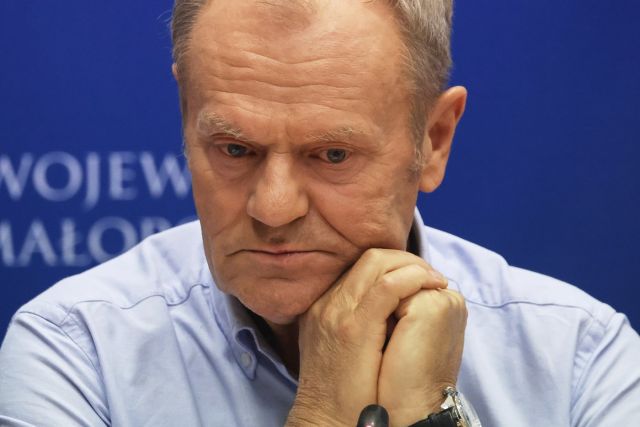
Polish Prime Minister Donald Tusk characterized the event as “an intentional provocation” by Moscow. He noted that the incursions occurred on the same day as major Western military exercises involving troops from 11 countries in the “coalition of the willing,” including the United Kingdom. The exercises are taking place near Nowa Dęba, a location situated between 50 and 100 kilometers from the sites where the debris was found in Nowy Lipowiec, Mołodycz, and Rudnik nad Sanem. Tusk stated that the coincidence of the attacks and the drills “does not seem to be a coincidence,” a sentiment echoed by NATO Secretary General Mark Rutte, who was scheduled to visit Warsaw the following day.
The operational context of the strike reveals the scale of Russia’s offensive capabilities and the logistical complexities facing European defense planners. Maj Gen Ireneusz Nowak, commander of the operational command of the Polish armed forces, reported that as many as 11 objects had been identified as posing a danger to Polish airspace during the overnight period. He described the attack on Ukraine as unprecedented in scale, stating that Russia employed seven bombers and launched a salvo comprising 26 Kalibr cruise missiles, 72 Kh-101 cruise missiles, and more than 500 drones. Ukrainian President Volodymyr Zelenskyy confirmed that it was “one of the largest attacks” since 2022, reporting that at least eight people were killed and nearly 30 were injured in Ukraine, with targets restricted to civilian infrastructure.
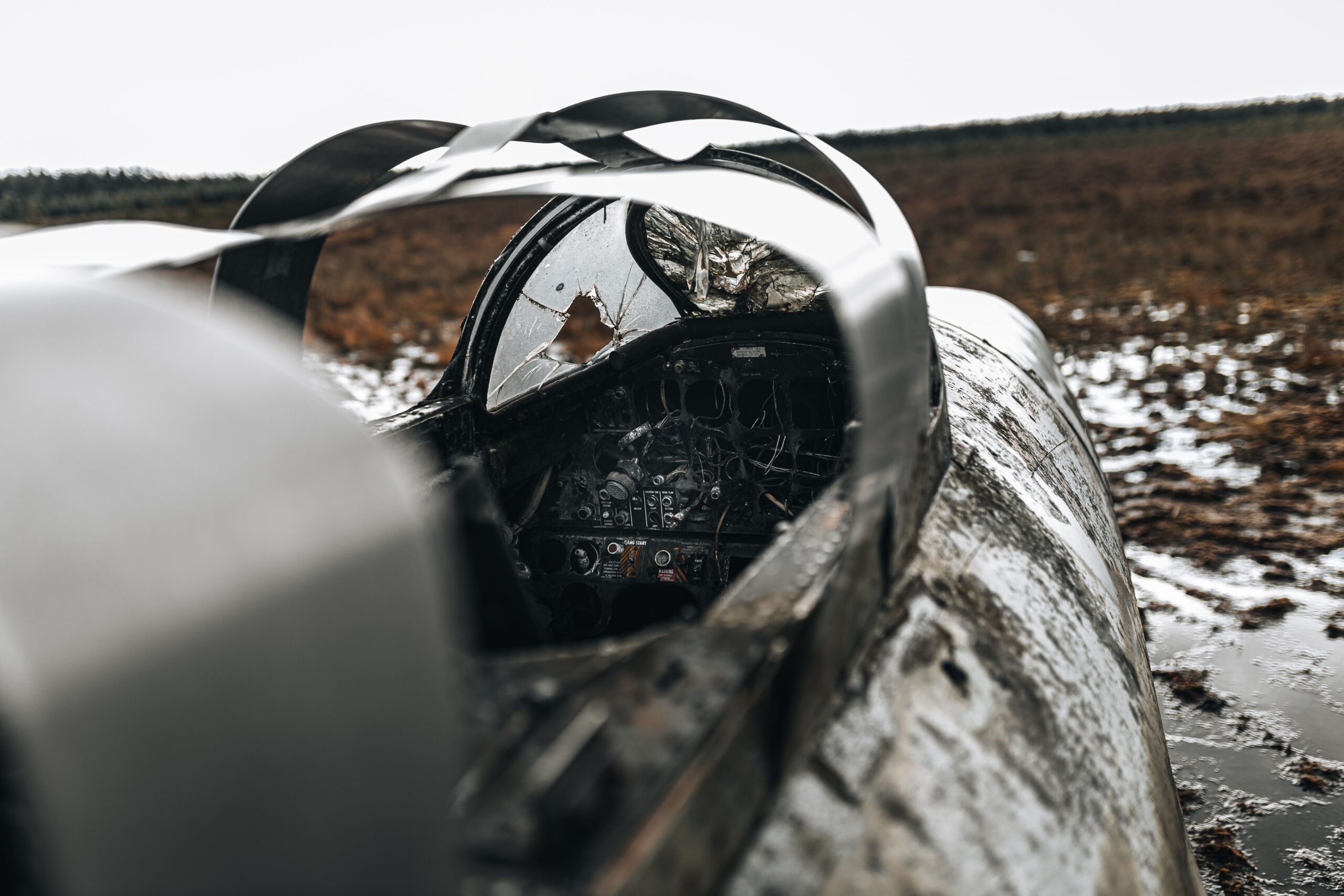
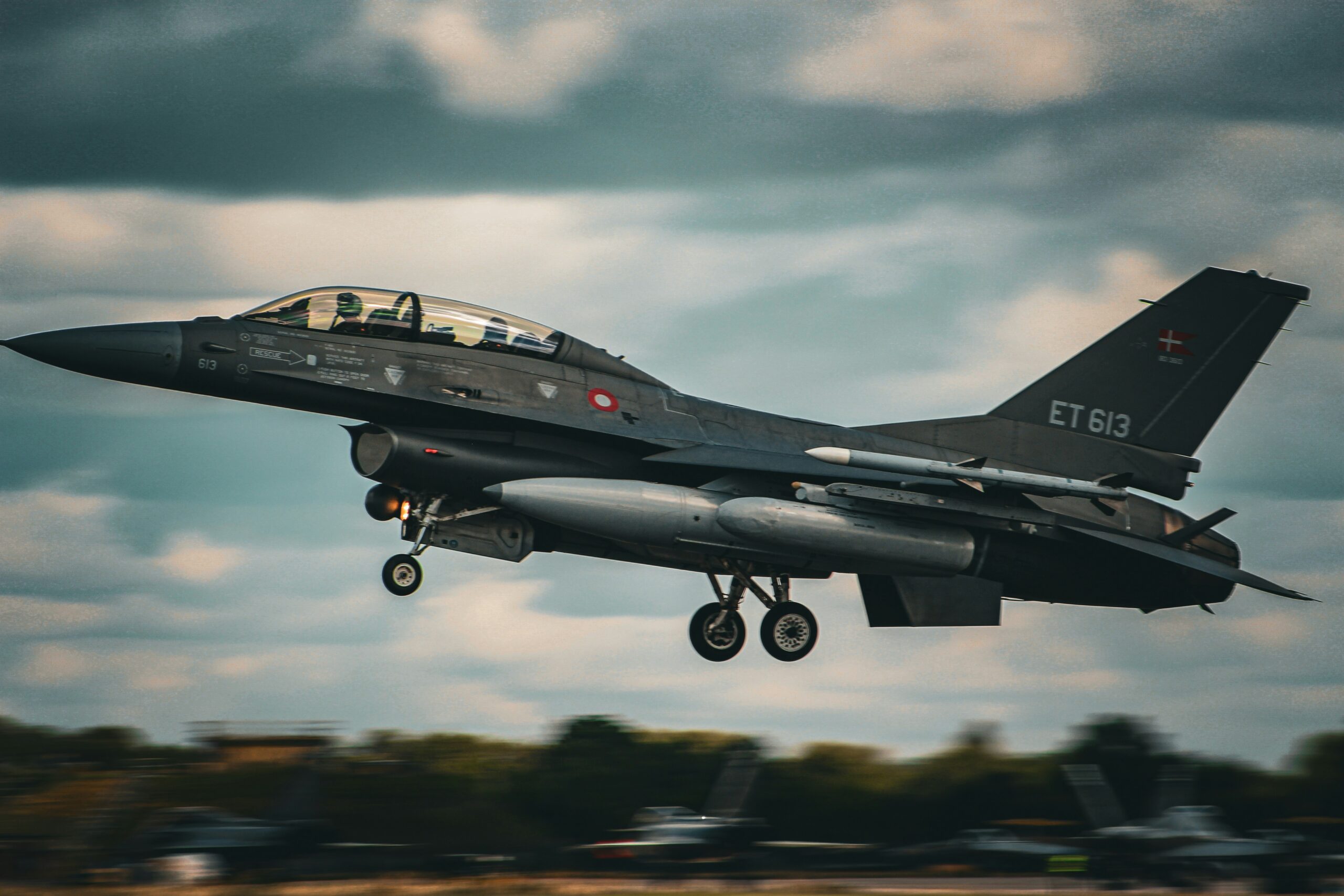
Defense officials in Poland and across the alliance are analyzing the strategic implications of these violations. Polish Defence Minister Władysław Kosiniak-Kamysz confirmed three violations of Polish airspace and expressed the belief that the timing was “not accidental.” The UK Defence Secretary, Wes Streeting, who was in Poland for the exercises, described the incursion as “very serious,” noting that the impact of the war is being felt increasingly in neighboring countries. For NATO, the incident underscores the difficulty of deterring Russia while simultaneously supporting Ukraine. The presence of allied forces in the region, intended to strengthen deterrence, appears to have coincided with an escalation in Russian long-range strikes, raising questions about how Moscow perceives the risks of further provocation.
The logistical constraints of the region are becoming a focal point of security planning. Rzeszów-Jasionka airport serves not only as a commercial hub but as a critical chokepoint for the flow of military assistance to Kyiv. Its temporary evacuation highlights the vulnerability of civilian infrastructure to spillover effects from the conflict. Polish authorities had issued repeated warnings in recent months regarding potential security incidents, fearing escalation. This concern is not new; in July, a Russian Kh-101 cruise missile fell in Poland’s Lublin region after veering off course, and in September, more than 20 Russian drones crossed into Polish airspace. At that time, Tusk warned that Poland was “closer to military conflict than at any time since the second world war.” The recurring nature of these incidents suggests a persistent risk environment that requires constant vigilance and rapid response capabilities.
Ukraine’s Foreign Minister, Andrii Sybiha, framed the violations as evidence of the broader threat posed by Russian aggression to the transatlantic community. He argued that while Moscow seeks to initiate discussions about a “new security architecture of Europe,” its military actions are actively undermining the existing security order. “The first step toward strengthening it would probably be to cease such attacks,” Sybiha stated. Zelenskyy attributed Putin’s decision to proceed with the strike to “weak meetings” with US President Donald Trump and Chinese President Xi Jinping, suggesting that Russia is attempting to compensate for diplomatic impotence with “terror.”
In the aftermath of the crashes, Tusk summoned army and security service chiefs to an emergency meeting to assess the situation. NATO jets were scrambled in response to the airspace violations, a standard protocol that reinforces the alliance’s commitment to collective defense. The incident has intensified arguments within Poland that Warsaw must play a central role in decisions regarding Ukraine’s future, citing a “better understanding” of the direct threats posed by its neighbor. As NATO continues to strengthen its deterrence and defense capabilities, the balance between supporting Ukraine and avoiding direct confrontation with Russia remains a delicate and high-stakes calculation. The next confirmed development will be the visit of NATO Secretary General Mark Rutte to Warsaw, where the alliance’s response to this latest “grave violation” is expected to be a primary subject of discussion.


One Comment