The legal dispute centers on a demand sent last month by the Department of Justice to the California Secretary of State and the Los Angeles County Registrar. The federal government requested that officials set aside the ballots of 20,000 registered voters whom the administration “believe” are “likely” non-citizens. In its 22-page brief, the Department of Justice maintained that ballots cast by non-citizens could “debase or dilute valid votes,” a core legal argument used to justify the requested intervention. However, the Supreme Court’s denial signals that the federal government has not met the high threshold required to override state election procedures in the immediate lead-up to a national election.
State election officials have consistently challenged the evidentiary basis of the federal claims. They stated that the list of names provided by the government is “riddled with inaccuracies” and that the process used to identify these individuals was flawed. Officials expressed concern that the demand would disenfranchise eligible voters and noted that segregating ballots while the vote count is actively underway is operationally unfeasible. California, the most populous state in the nation with approximately 23 million people on its voting register, had already received more than six million mail-in ballots as of Sunday night, according to the state’s secretary of state office. The logistical complexity of identifying and removing specific ballots from millions of received envelopes further undermined the practicality of the federal request.
The incident escalated when, about a week after the initial letters, armed officials from the Department of Homeland Security delivered documents to county officials and employees across California. These deliveries included threats of criminal charges if the specified ballots were not sequestered. This coercive approach was a central point of contention in the lower court proceedings. District Judge David Carter, in a ruling last week, described the government’s move as indicative of an “ongoing pattern of attempted election interference.” Carter noted that “never before in American history has the federal government, on the eve of an election, sought to coerce a state and local government to abandon their own constitutional elections procedures and bend to the will of the executive branch.” The judge’s characterization highlights the constitutional tension between executive authority and state sovereignty in administering elections.
The legal battle has been part of a broader, years-long campaign by the Trump administration to address what it characterizes as widespread voter fraud. President Trump has repeatedly claimed that Democrats steal elections by allowing immigrants to vote illegally, a narrative that frequently targets mail-in voting permitted in many states. However, research cited in the context of these disputes indicates that non-citizen voting is extremely rare. The administration’s legal strategy has sought to leverage the threat of criminal liability to force state compliance, a tactic that lower courts have repeatedly rejected as an overreach of federal power.
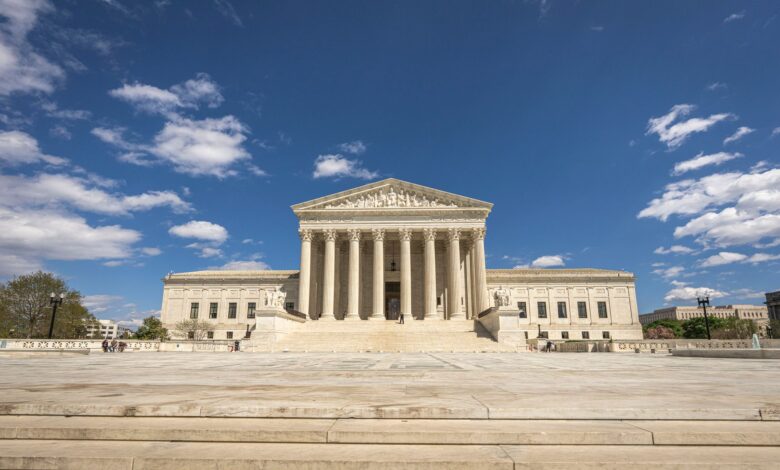
The Supreme Court’s decision on Monday comes on the eve of the midterm elections, which will determine which political party controls the US Congress for the final two years of President Donald Trump’s second term. The denial of the injunction means that the ballots in question will remain in the count, subject to standard state verification procedures rather than federal sequestration. While the Department of Justice may still explore other legal avenues, the immediate threat to the integrity of the California vote count has been averted by the highest court in the land.
The ruling underscores a significant procedural boundary in American election law: the federal judiciary will not intervene to alter state election mechanics based on unverified federal lists during an active election period. For the 20,000 voters named in the federal letters, the legal presumption remains that their ballots are valid unless proven otherwise through the state’s own electoral processes. The next confirmed legal step involves the completion of the vote count in California, where state officials will continue to process the millions of mail-in ballots without federal interference in the specific subset of envelopes at issue.