
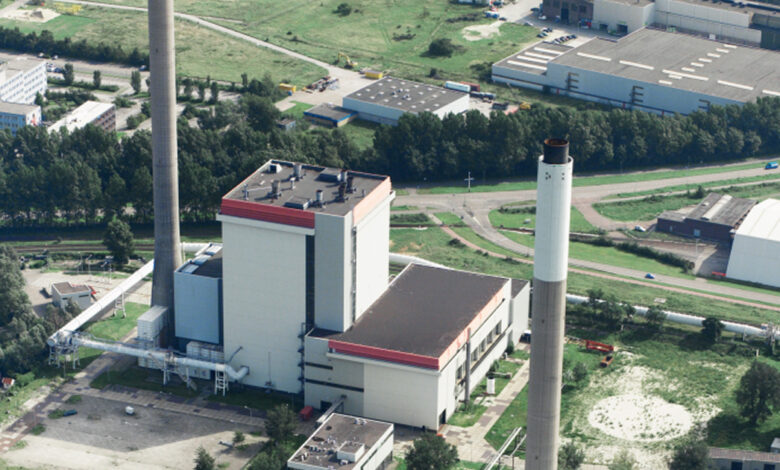
This criminal case stems from a class action complaint filed in 2021 by lawyer Benedict Fick on behalf of approximately 800 residents living near the steelworks in Eemden. According to the Public Prosecution Service, the specific offences of which the company stands accused will be formally set out at the first procedural hearing, scheduled for 20 November 2026 at the Amsterdam District Court. In addition to corporate liability, prosecutors are examining whether individual directors of the company can be held personally liable for the alleged violations.
Tata Steel IJmuiden has responded to the opening of the criminal case with a statement asserting that it takes the criticism and concerns seriously. The company emphasized its commitment to the principle of good neighbourliness towards surrounding communities and noted that it is continuously taking steps to improve its operations. While acknowledging that incidents involving “raw coke” can lead to short-term spikes in emissions, the company maintains that such occurrences are technically unavoidable in large-scale industrial production.
The company has characterized the decision to bring criminal proceedings as “excessive,” particularly given that the issues relate to a “limited number of past incidents” at coke chemical units that have since been the subject of technical improvements. Tata Steel IJmuiden highlighted that these specific units are set to be completely shut down in the coming years as part of its ‘green’ steel project, a strategic shift aimed at reducing its environmental footprint.

The current legal action follows a series of regulatory and financial consequences the company has already faced. In March, Tata Steel IJmuiden paid €8.5 million in fines for breaching environmental standards set for these plants, with further penalties reportedly expected at that time. Subsequently, in April, it was reported that the company was exploring ways to resolve the issue of two coke-chemical units facing closure due to excessive emissions of heavy metal particles and carcinogenic benzene.
The distinction between the civil class action initiated by residents and the current criminal investigation is critical to understanding the legal landscape. The civil claim seeks redress for the community, while the criminal investigation, led by the state, focuses on potential violations of environmental statutes and corporate criminal liability. The outcome of the proceedings at the Amsterdam District Court will determine whether the allegations are substantiated as criminal offences and whether individual executives face personal legal consequences.
As the case moves toward its first procedural hearing, the focus remains on the specific charges that will be detailed by the prosecution. The investigation underscores the increasing scrutiny of industrial emissions in the Netherlands and the potential for criminal liability in cases of persistent environmental non-compliance.




One Comment