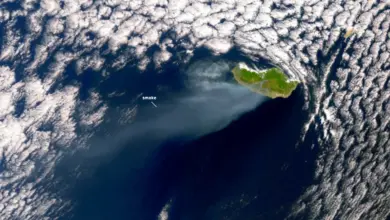
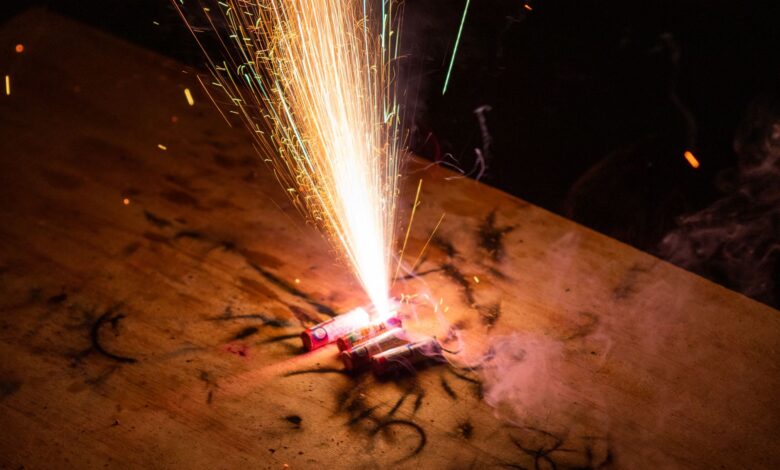
The chief minister’s comments follow a sharp deterioration in air quality across Uttar Pradesh on Diwali night and the subsequent day. In Lucknow, a thick blanket of acrid smoke reduced road visibility to just 200 meters at midnight due to the unrestricted bursting of firecrackers. According to data from the Central Pollution Control Board (CPCB), the Air Quality Index (AQI) in Lucknow, which is monitored across six stations, rose from 207 on November 7 to 233 on November 8 and peaked at 245 on November 9. By Tuesday, winds helped disperse the pollutants, bringing the AQI down to 172, classified as “moderate.”
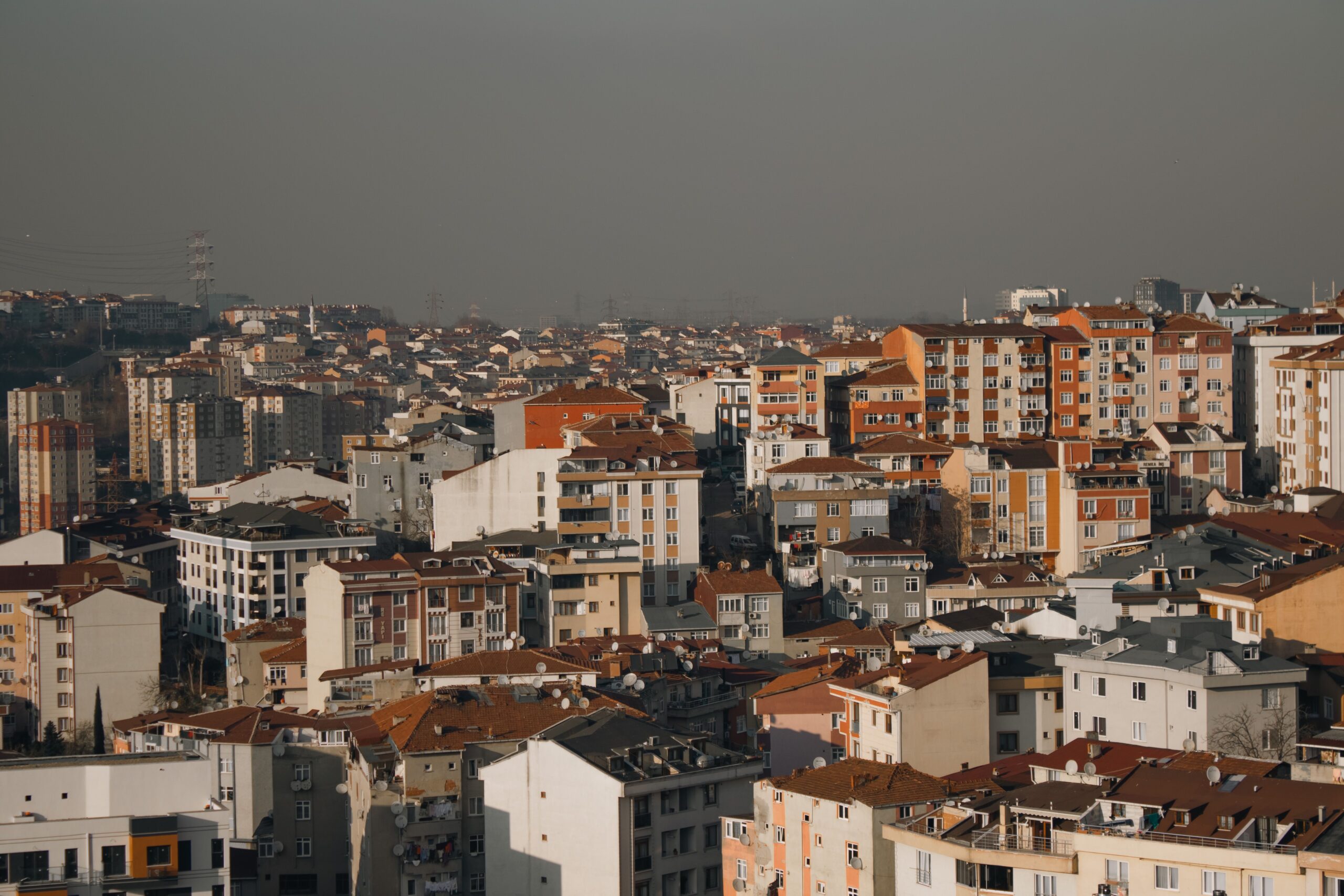
Air quality also degraded significantly in other major cities in the state. On Diwali, the AQI in Ghaziabad reached 344, classified as “very poor,” while Noida recorded 318 and Greater Noida 299. In Meerut, the AQI was 295. On the following day, Monday, readings remained high, with Ghaziabad at 324, Noida at 332, Greater Noida at 252, and Meerut at 269. Under CPCB classification, an AQI between 201 and 300 is deemed “poor,” causing breathing discomfort for most people with prolonged exposure. The “very poor” category, ranging from 301 to 400, poses a risk of respiratory illness even among healthy individuals upon prolonged exposure.
Adityanath contextualized his remarks by contrasting the current situation with the period before 2017, when the Bharatiya Janata Party was not in power. He claimed that festivals such as Holi, Diwali, Vijayadashami, Janmashtami, Shivratri, Christmas, Eid, Guru Parv, and Makar Sankranti were frequently preceded by communal tensions and riots under previous governments. “Before 2017, whenever any festival approached… riots would begin. Every person felt insecure,” he stated, suggesting a shift in public sentiment and security in recent years.
The CPCB data indicates a consistent pattern where Lucknow’s air quality worsens on the day after Diwali compared to the day before, a trend observed since 2015 according to 4 pm bulletins. While the immediate health risks associated with “very poor” air quality are documented, the chief minister’s administration has not announced new restrictions on firecracker sales or usage in response to the recent spike. The focus of the state leadership remains on the transient nature of the pollution event rather than implementing immediate regulatory changes.