
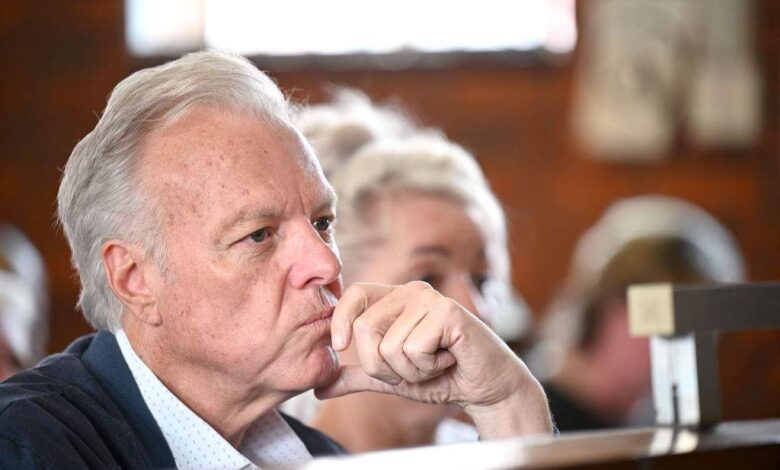
The legal proceedings against Liebenberg and his wife, along with seven co-accused, are currently at a critical juncture. The defendants appeared on July 8, 2025, facing 59 charges that include fraud, money laundering, theft, and racketeering. The case, which has been under investigation by the Hawks (Directorate for Priority Crime Investigation) since 2019, centers on an alleged scheme where unpolished diamonds were advertised on social media with promises of lucrative returns that never materialized. The state alleges that the syndicate, operating under the name Tariomix or Forever Diamonds and Gold, used funds from new investors to pay earlier investors while siphoning off billions for personal enrichment.
A significant aspect of the current procedural stage involves a 30-day psychiatric observation order for Liebenberg at Weskoppies Hospital. This evaluation is intended to determine three key legal matters: his fitness to stand trial, his criminal capacity at the time of the alleged offences, and whether any mental disorder may reduce his criminal responsibility. The outcome of this assessment will directly influence the timeline of the trial and the validity of the defence strategies being employed.
The request to call former President Zuma and senior police figures as defence witnesses suggests a strategy to contextualize the accused’s actions within a broader political and institutional framework. Liebenberg was a known associate of Zuma prior to his arrest. In March 2024, just months before his detention, Liebenberg attended an event where Zuma addressed a crowd, promising that white people would be safe if the uMkhonto weSizwe (MK) party won power. The MK party has since referred to Liebenberg as a “comrade” and “the definition of loyalty,” a statement that underscores the political dimensions of the case, although no judicial finding has been made regarding the nature of their relationship.
The legal history of the Liebenberg case is complex, marked by previous civil and criminal proceedings. In July 2021, North Gauteng High Court ordered the provisional freezing of Liebenberg’s bank accounts, which held approximately R100 million, following allegations of money laundering. However, in July 2023, the Gauteng Division of the High Court acquitted Liebenberg and his company of allegations that they were operating a Ponzi scheme. Judge Selemeng Mokose ruled that the State had failed to present sufficient facts to support the claim that the businessman traded illegally in uncut diamonds. That acquittal was specific to the civil allegations raised at that time and does not preclude the current criminal prosecution, which is based on a more extensive five-year investigation by the Hawks’ Serious Organised Crime Investigation Unit.
The current criminal case distinguishes itself from the previous civil matter by focusing on the criminal conduct of the syndicate and the specific intent to defraud. The state’s case outlines a victim profile that spans socioeconomic classes, including pensioners, middle-class families, and wealthy individuals, many of whom allegedly lost their life savings. The disparity in bail status between the principal accused and their co-defendants has drawn attention. While the Liebenbergs remain in detention, other co-accused are free. Legal analysts suggest this differential treatment may indicate that the state views the principal accused as significant flight risks, potential intimidators of witnesses, or central figures whose release could enable continued obstruction of justice.

The case has also generated significant public interest, leading to concerns about the integrity of the legal process. Reports indicate that online platforms, including WhatsApp groups and Facebook pages, have been used to dox potential witnesses, threaten investigators, and spread misinformation. The South African Police Service’s Specialised Security Services Cybercrimes Unit is monitoring these activities and preparing dockets for prosecution. Individuals participating in such activities face potential charges under Section 51 of the Criminal Procedure Act for intimidation of witnesses, as well as under the Cybercrimes Act 19 of 2020 for defamation and contempt of court.
The next formal step in the proceedings will be the conclusion of the psychiatric evaluation at Weskoppies. The findings of this report will be submitted to the court, which will then determine the immediate next steps, including whether the trial can proceed on the scheduled timeline. The court will also need to rule on the application to call high-profile witnesses, weighing the relevance of their testimony against the potential for prejudice or delay. The outcome of these procedural hearings will set the stage for the substantive trial, where the state must prove beyond a reasonable doubt that the accused persons committed the charged offences.