

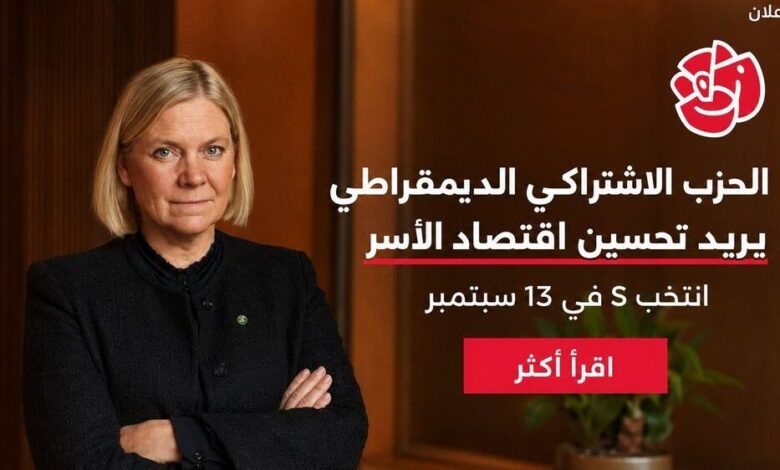
The election was too close to call for days, with the final outcome hinging on early votes cast by overseas residents and those submitted after polling stations closed. Preliminary results indicated a three-seat advantage for the opposition, a margin so slim that it has intensified scrutiny of the voting demographics. The final seat distribution is as follows: the Social Democrats won 99 seats, the Centre Party 25, the Green Party 22, and the Left Party 30. In opposition, the Moderates secured 70 seats, the Sweden Democrats 62, the Christian Democrats 22, and the Liberals 19.
The Decisive Role of Immigrant-Born Voters
Analysis of the election data highlights the pivotal role played by voters in districts with high concentrations of residents born outside Europe. In these areas, support for the four opposition parties was overwhelming, contributing to the narrow national victory. In Rosengård centrum in Malmö, where 61.9 per cent of residents were born outside Europe, the opposition parties captured 97.6 per cent of the vote. Similar patterns were observed in Stockholm’s Rinkeby districts, where support for the left ranged from 92.3 to 94 per cent.
Nationwide, across 786 electoral districts where at least half the population was foreign-born or had two foreign-born parents, the opposition gained approximately 73,000 votes compared to the 2022 election. Turnout in these districts rose by around three percentage points to 67.5 per cent. Political scientist Jenny Madestam noted that the Left Party, in particular, had actively campaigned in these immigrant-heavy areas, contributing to increased turnout. This mobilization was sufficient to tip the national result, as the overall difference between the two political blocs was a mere 0.4 percentage points, equivalent to a margin of roughly 32,000 votes.

Five MPs of Somali Background Elected
The election also saw five politicians of Somali background enter the Riksdag, a development that has sparked broader debate regarding representation and electoral dynamics in Europe. The five are Leila Ali Elmi, Mursal Isa, and Mohamed Mohamed from the Green Party, and Ilyas Hassan and Mohamed Abdukardir Ali from the Left Party.
Leila Ali Elmi, representing Gothenburg, is the only incumbent among the group. She first entered parliament in 2018 after receiving 1,467 personal votes, becoming Sweden’s first parliamentarian of Somali origin. Her re-election in 2026 continues her tenure, having previously been elected in 2022 as well. The other four are new to the Riksdag or re-entering after previous terms. Mursal Isa secured a seat for the Greens in Dalarna, while Mohamed Mohamed crossed the five-per-cent threshold in Södermanland with 484 personal votes, a figure representing 5.2 per cent of the party vote in that region.
In Dalarna, the Left Party elected two MPs of Somali origin. Ilyas Hassan won a seat in Stockholm Municipality, while Mohamed Abdukardir Ali, a 30-year-old from Borlänge, utilized the preference voting system to secure his place. Listed ninth on the party’s regional list, Ali received 648 personal votes, allowing him to move to first place and claim the parliamentary seat. This mechanism, where individual candidates can outrank their position on the party list through personal votes, was crucial for these elections. Only eight candidates nationwide managed to overcome their original list positions in this election.
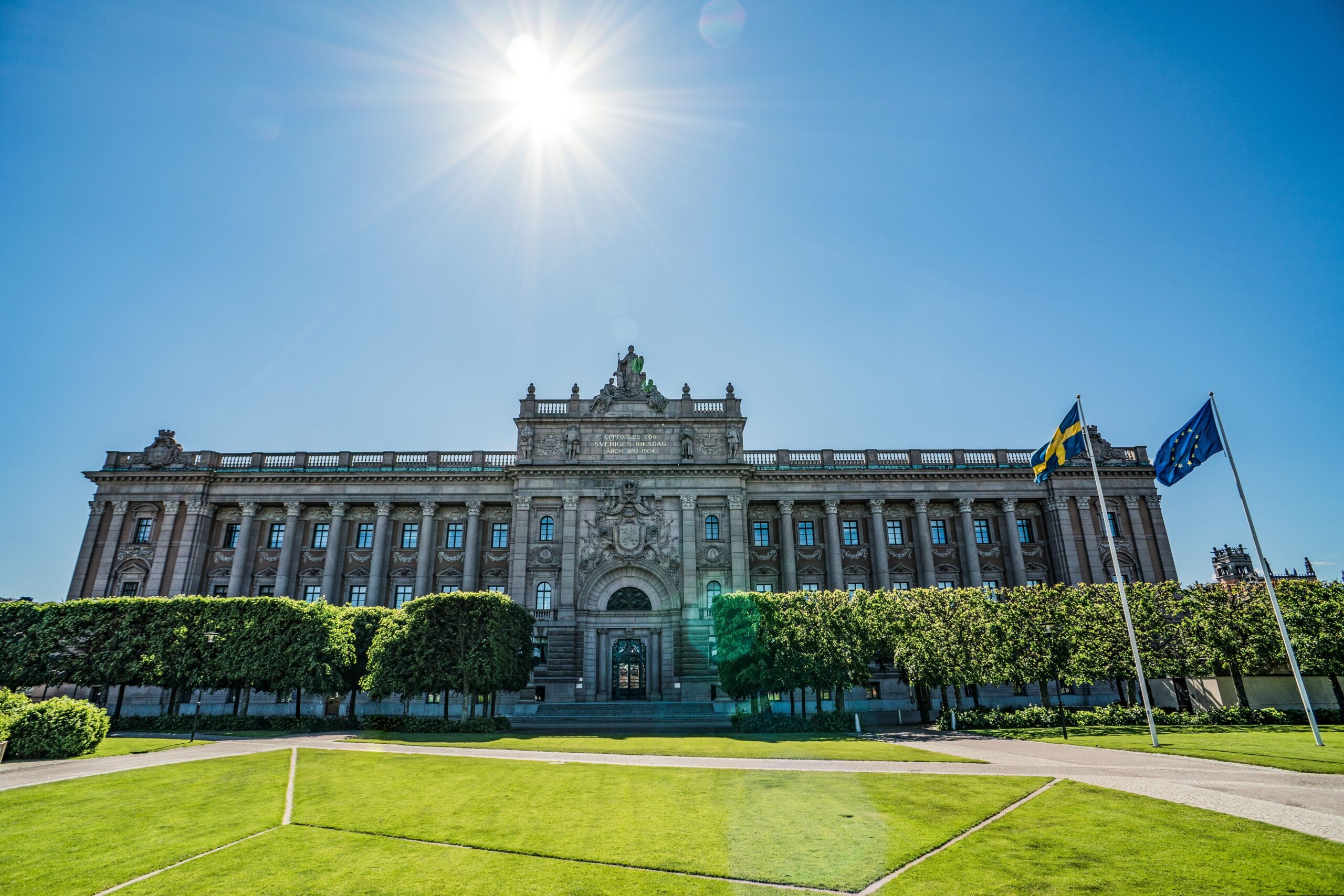
The entry of these MPs has renewed discussions about “clan voting” and ethnic mobilization. Swedish-Somali representatives have rejected the label of clan voting, arguing that voters simply mobilized behind candidates they felt represented their interests. However, the correlation between high immigrant populations and near-total support for the left bloc has led to calls across Europe for stricter citizenship and voting rules. The result suggests that mass immigration and naturalization are reshaping the electorate itself, making demographic shifts a central factor in national elections.
Path to Government Formation
With the formal mandate to form a government, Magdalena Andersson and her coalition partners now face the task of building a stable administration on a three-seat majority. This is a precarious position, as it leaves little room for error in parliamentary votes. Prime Minister Ulf Kristersson, whose coalition lost power, stated he would explore “possibilities” given the close result, though the formal transfer of power is now underway. The Sweden Democrats, who had been promised Cabinet posts if the governing coalition were returned to office, are now in opposition, a shift that may influence their tactical support in the Riksdag in the coming days.
The next formal step is for the new government to present its cabinet and policy platform to the Riksdag. The stability of this new administration will likely be tested early, particularly on issues of immigration policy, where the electoral mandate is both strong in its constituent base and contested by the outgoing coalition.