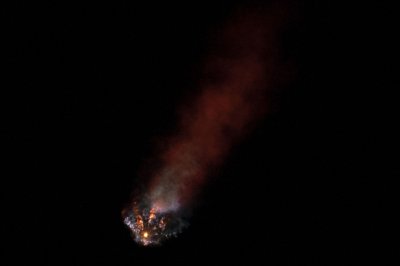
The maneuver was executed as the spacecraft broke through the clouds over the Texas coast, igniting its three Raptor engines for a controlled descent. SpaceX confirmed the success in a social media post, describing the event as an “incredible achievement” and stating that the catch “changed everything.” CEO Elon Musk noted on X that he hugged Ship 42 upon its return, while crowds at Starbase cheered as the mechanical arms closed around the vehicle. NASA Administrator Jared Isaacman described the catch as “almost magic,” adding that the company is “making more believers by the day.”
This development addresses a critical limitation in current spaceflight: spaceships have traditionally been single-use vehicles, making each launch prohibitively expensive. By demonstrating that an orbital spacecraft can be recovered intact, SpaceX moves closer to establishing a reusable landing system for NASA’s Artemis Moon landing mission. The success highlights the potential for drastic cost reductions in accessing orbit, although the immediate financial and operational impacts remain to be quantified in future missions.
The mission was not without technical difficulties. While the upper stage returned successfully, the Super Heavy booster, which separates shortly after launch, failed to return to the launch site. SpaceX reported that the booster’s guidance, navigation, and control systems triggered an automated abort during coast, diverting the vehicle to an offshore splashdown in the Gulf of Mexico. The company stated that the boostback burn ended early due to low fuel mass, with the root cause currently under investigation. This outcome contrasts with SpaceX’s previous three successful booster catches, indicating that while upper stage recovery has been achieved, full stack reusability remains a work in progress.
The successful catch of Ship 42 is a preliminary milestone rather than a finalized operational standard. It demonstrates the feasibility of the “Mechazilla” catch system for upper stages but does not yet confirm reliable, routine reusability for all components of the Starship system. Independent replication of this specific orbital return and catch has not yet occurred, and the data will be analyzed to refine guidance algorithms for future launches.
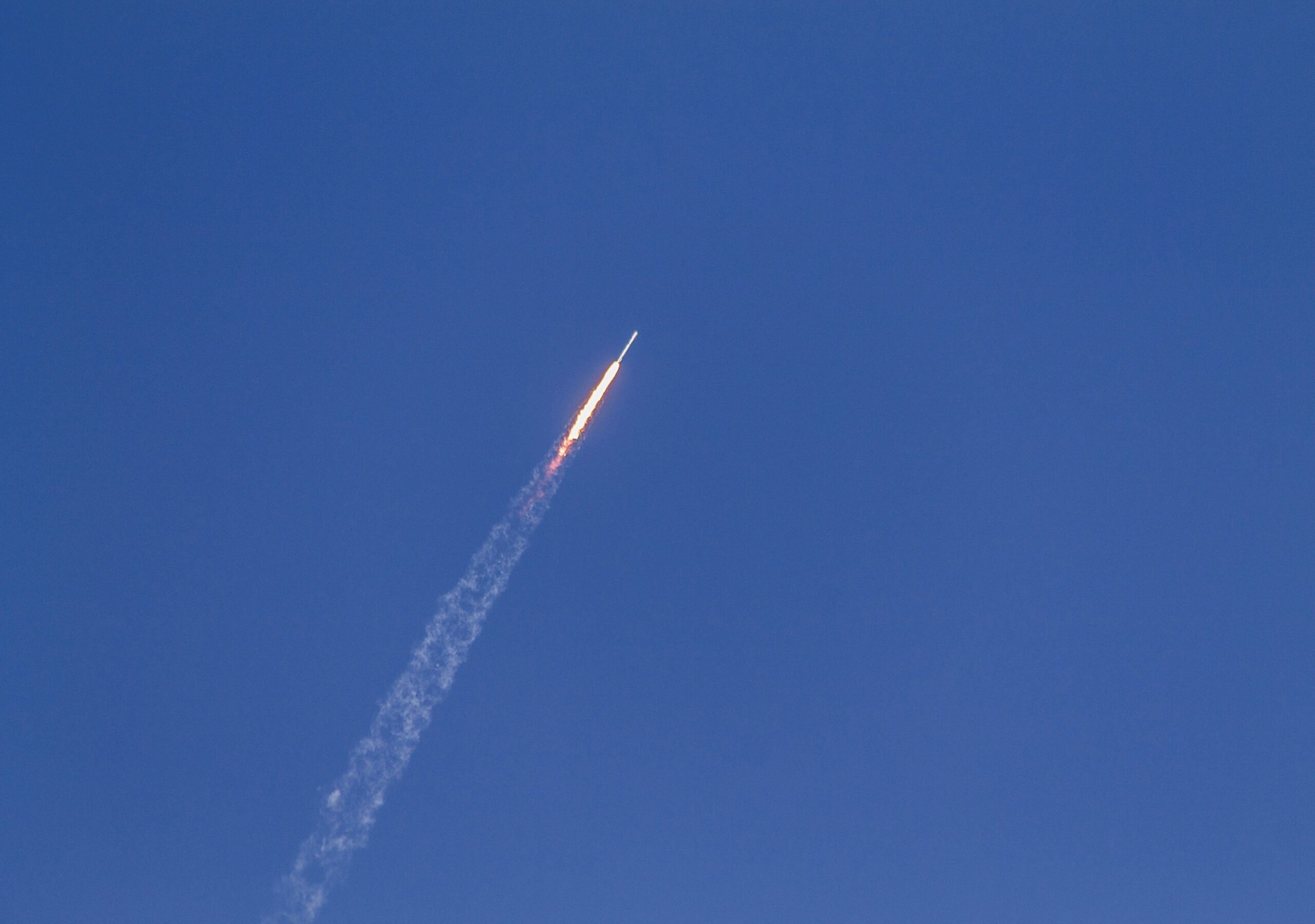
Next steps for SpaceX involve investigating the booster abort to prevent recurrence and preparing subsequent Starship missions. The company will likely focus on integrating the lessons learned from Ship 42’s return with fixes to the Super Heavy booster, aiming for a fully reusable demonstration in upcoming test flights. Success in these areas is essential for Starship to serve its intended role in deep space exploration.