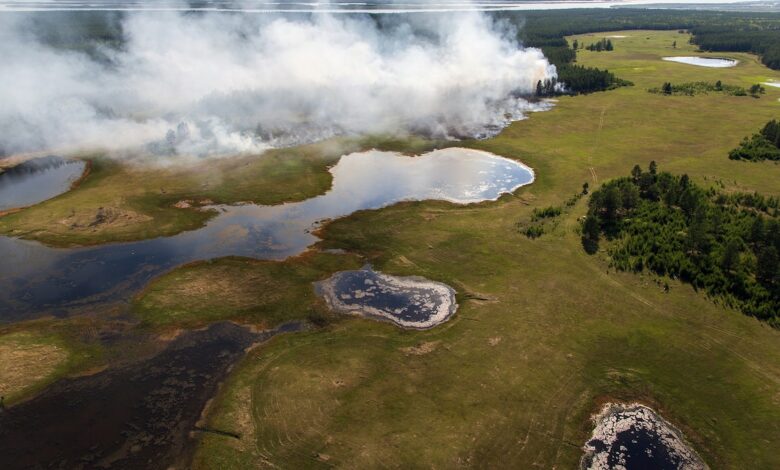
The severity of the event was underscored by a temperature of 38°C (100.4°F) recorded in the town of Verkhoyansk on 20 June 2020. According to the Russian Meteorological Service, this measurement stands as the highest ever recorded beyond the Arctic Circle, a record later noted by the World Meteorological Organization. Across the broader study region, average temperatures from January to June were more than 5°C (9°F) higher than the 1981–2010 baseline. This exceptional heat drove the spread of fires, which began intensifying around mid-June, into tundra areas underpinned by permafrost—landscapes historically considered too cold, wet, and icy to sustain combustion.
The ecological implications of these fires are significant. While Siberia is accustomed to summertime wildfires in its boreal forests, the 2020 event was distinct in its reach into frozen tundra. Thomas Smith, an environmental geographer at the London School of Economics, noted that while the current carbon contribution is not yet massive, it signals a fundamental shift. “This is not yet a massive contribution to climate change,” Smith said, “but it’s certainly a sign that something different is happening.” If fire becomes a regular occurrence on thawing tundra, it could reshape ecosystems, allowing new species to take over and priming the land for further fires. Additionally, burning deep into the soil releases carbon that has accumulated as frozen organic matter over centuries, potentially exacerbating global warming.
The study identifies specific meteorological mechanisms behind the anomaly. A strong jet stream during the 2019–2020 winter led to warm conditions that melted ice and snow. This reduced the region’s albedo, meaning darker surfaces absorbed more heat, creating a feedback loop that intensified warming. The Arctic is warming at approximately twice the global average, with some areas seeing rates four times higher than the global mean. This rapid warming is already triggering the disappearance of sea ice and the thawing of carbon-rich permafrost.
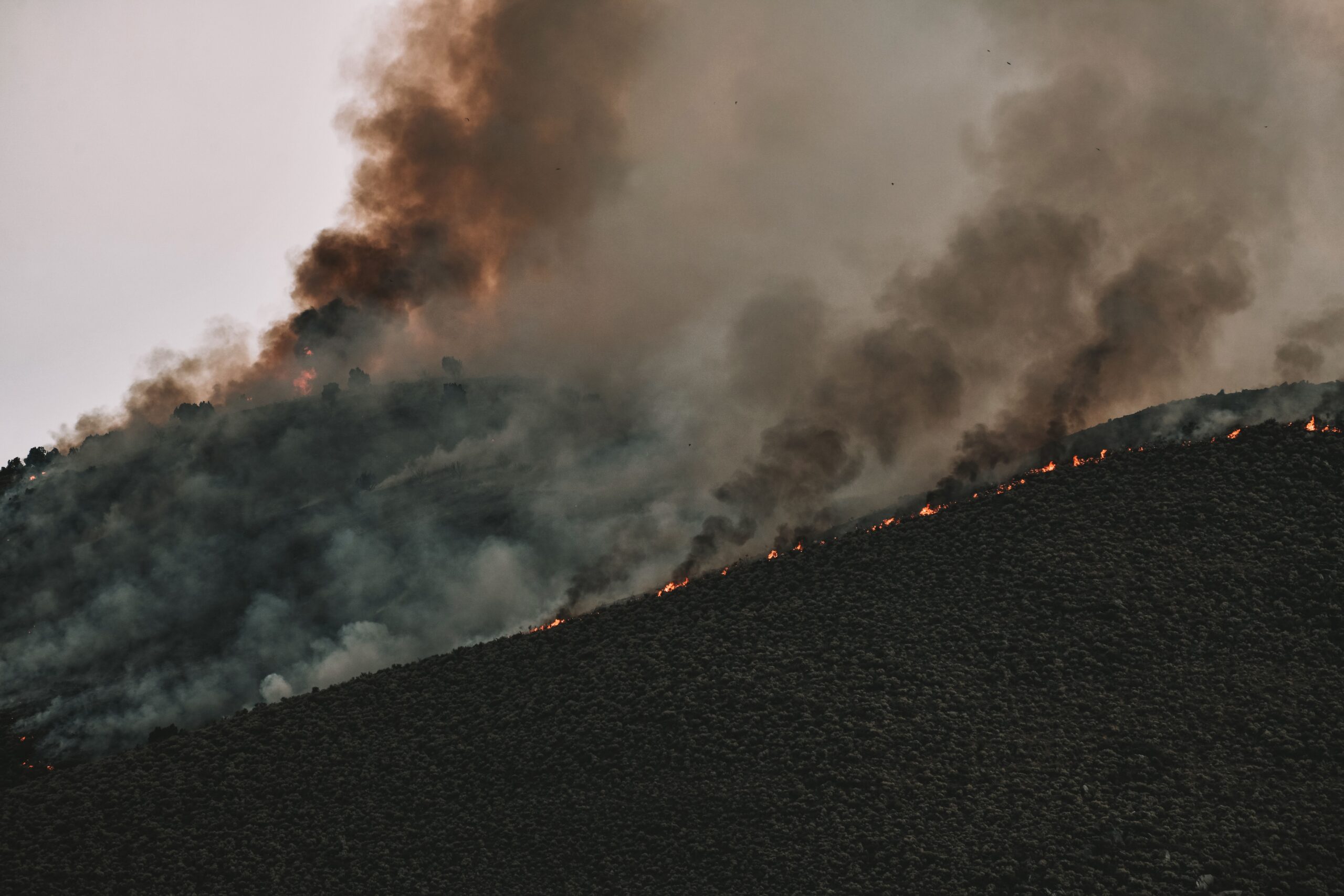
Health and environmental experts warn of broader consequences. Smoke from these megafires increases particulate matter and secondary pollutants like ozone, aggravating respiratory diseases and asthma. Beneslavskiy of Greenpeace Russia described the protection of Siberian forest ecosystems as a “global issue,” noting that ignoring the climate impacts of such fires jeopardizes the Paris Agreement target of limiting warming to 1.5°C. The findings add to a growing body of peer-reviewed attribution studies linking recent extreme weather events in Japan, the UK, and France to human-induced climate change.
Monitoring of the Arctic will remain critical as scientists assess whether these 2020 conditions represent a new baseline. The immediate next step involves continued observation of permafrost thaw rates and fire activity in the coming seasons to determine the long-term trajectory of the region’s carbon cycle.