
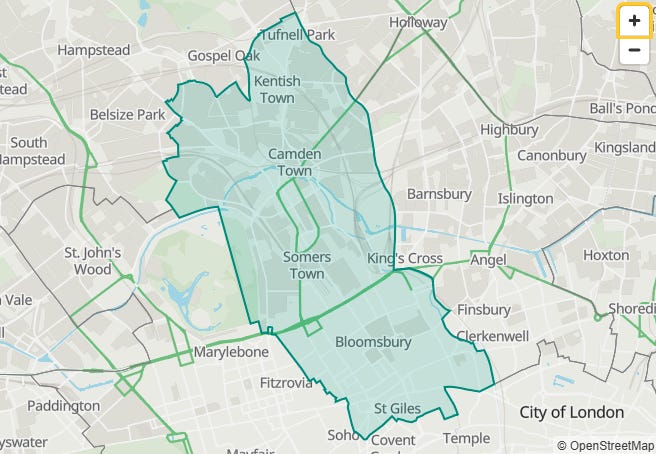
The constituency became vacant following the resignation of Sir Keir Starmer, who announced he was standing down to focus on a role in international affairs. Fifteen candidates are standing in the contest, representing a wide spectrum of political parties and including one independent candidate. The race is particularly high-profile due to the constituency’s historical significance and its status as a key London seat.
Green Party leader Zack Polanski is among the leading contenders, having positioned the party as a robust alternative to the current government. For several months, Polanski’s leadership has been characterized by a radical shift in tone and policy, attracting a significant number of former Labour supporters. The Green Party recently recorded impressive growth in membership and local election results, with candidates winning across the country. In some national polls, the Greens have ranked second, trailing only Reform UK, a position that has generated considerable momentum for the party.
However, the political landscape has shifted since the spring. Prime Minister Andy Burnham’s confident start to his premiership has altered the dynamics of the opposition. While the Greens previously benefited from a narrative of revolt against a failed status quo, Burnham’s approach has reduced the unique appeal of Polanski as a disruptive communicator. Consequently, the Green strategy has evolved from seeking to “replace” Labour to a more modest goal of keeping the government “in check.” This shift was evident in recent party literature, which highlights Polanski as a “strong voice” for accountability rather than a direct challenger to Labour’s electoral dominance.
The party’s Brighton conference last week underscored this internal recalibration. Delegates cheered reports of growth and celebrated recent electoral victories, such as the win in Gorton and Denton. Yet, discussions also revealed a party grappling with its long-term role. The Greens passed a motion stating that “Zionism is racism,” a position that has drawn scrutiny given Polanski’s Jewish heritage, though he neither supported nor opposed the specific motion. The party’s influence over Labour remains significant, having forced the centre-left to address bolder climate policies and leftward shifts, mirroring dynamics seen in other European democracies like Spain.
Holborn and St Pancras is a constituency with a rich political history, having been home to figures such as Sir Keir Starmer and, in earlier generations, prominent left-wing intellectuals and radicals. The area has seen candidates from the Communist Party of Great Britain and the Indian Communist Party, as well as early advocates for Indian independence. The seat is also known for its international character, featuring world-renowned institutions, diverse cultural venues, and a population that is largely made up of commuters and transplants rather than long-term residents.
With the count beginning after the polls close, the result will provide the first major electoral test for both the Green Party’s new direction and the emerging political consensus under Prime Minister Burnham. A strong showing for the Greens could solidify their status as a relevant national force, while a significant Labour victory would reinforce the incumbent party’s grip on the centre-left vote.