
The immediate volatility followed a significant surge on Thursday, when Brent North Sea crude jumped more than 5%. That spike was triggered by reports that the White House had requested the Pentagon to draft plans for potential military action against Iran, fueling fears of a broader regional conflict. Trump subsequently clarified that Washington was engaged in “productive discussions” with Tehran and that no strike would occur before the election. Iranian Foreign Minister Abbas Araqchi confirmed that indirect negotiations are ongoing through mediators, with Iran currently evaluating US feedback on a proposed seven-day plan and preparing a formal response within days.
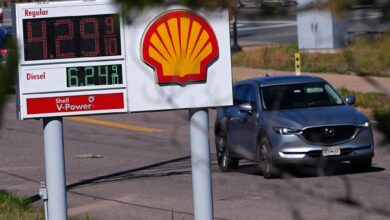
Despite the diplomatic progress, energy prices have not returned to pre-conflict historical levels. Brent crude fell 1.1% to trade at US$103.14 per barrel, while West Texas Intermediate (WTI) dropped 0.8% to US$90.79 per barrel. Market analysts attribute this persistent price floor to acute vulnerabilities in the global supply chain. Global observed oil inventories plummeted by 69 million barrels in July 2026, bringing cumulative draws since the start of the conflict to 410 million barrels. This significant reduction in buffer stocks has left prompt crude futures in backwardation, a market condition that amplifies sensitivity to both logistical disruptions and diplomatic breakthroughs.
Supply Constraints and Demand Contraction
The current market balance reflects a complex interplay between restricted supply and weakening demand. According to the International Energy Agency’s August 2026 Oil Market report, world oil demand is forecast to contract by 1.6 million barrels per day (MMb/d) in 2026. This projection is driven by sustained high fuel prices and ongoing shipping bottlenecks in the Strait of Hormuz, which are depressing global consumption.
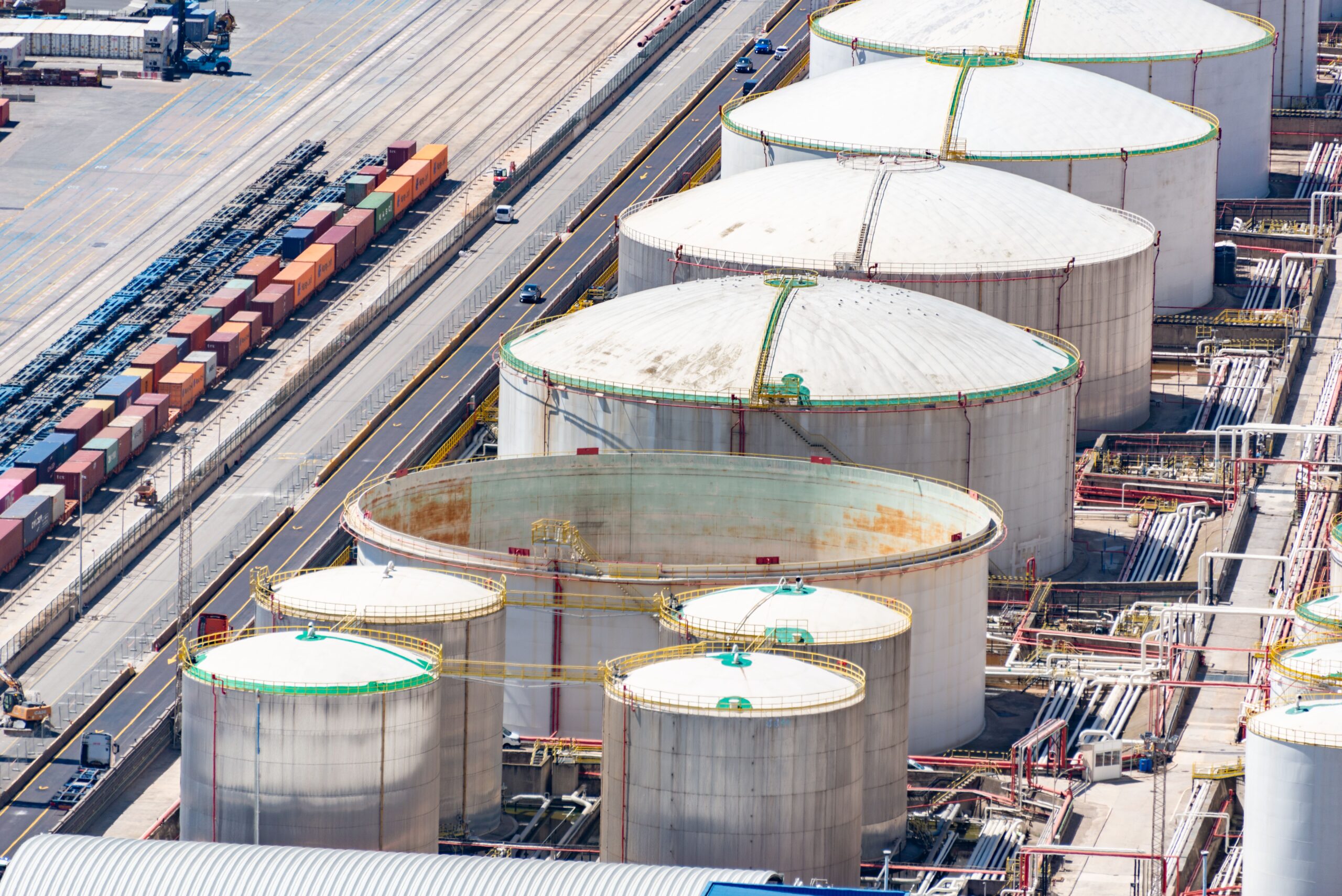
On the supply side, global output rose by 2.4 MMb/d in July to reach 101.5 MMb/d. However, this figure remains 6.3 MMb/d below prior-year levels. Roughly 8.3 MMb/d of Middle Eastern capacity has been kept offline amid renewed regional hostilities. Additionally, weather-related shut-ins in the Gulf of Mexico have further complicated supply logistics, contributing to the volatility observed in recent trading sessions.
Iran and Oman have reached an agreement on the geographical coordinates for safe transit routes through the Strait of Hormuz.
Iranian Foreign Ministry Spokesperson Esmael Baqaei noted that Tehran has outlined its terms for ending the conflict and restoring regional security. He highlighted the agreement with Oman regarding safe transit coordinates in the Strait of Hormuz as a key step toward stabilizing maritime traffic. While these diplomatic channels remain active, the physical reality of reduced inventory buffers means that any future disruption could trigger rapid price spikes, posing significant risks to international fuel markets and trade supply chains.
Economic Implications and Market Reaction
The heightened energy costs are directly influencing trade balances and domestic policies in key economies. For Mexico, the volatility affects petroleum export revenues, trade balances, and the sustainability of domestic energy subsidies. The cost pressures extend to refined product importers, logistics providers, and energy-intensive manufacturing sectors that rely on integrated energy and trade frameworks.

Global equity markets responded positively to the Friday decline in energy costs. Major stock indices in Europe and on Wall Street posted gains as investor concerns over immediate supply disruptions in the Middle East subsided. The relief in oil prices provides a temporary reprieve for inflationary pressures, though the structural issue of depleted inventories remains a critical risk factor for long-term economic stability.
Market participants are now focused on Iran’s formal response to the US proposal, with a decision expected within days. The outcome of these negotiations will determine whether the current price floor holds or if further supply normalizations are possible. Until inventories are replenished, global oil markets remain structurally vulnerable to geopolitical shocks and logistical interruptions in the Strait of Hormuz.