

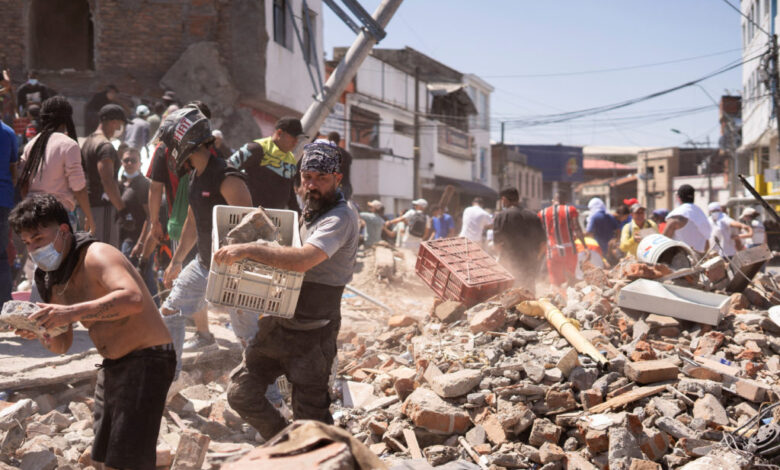
The seismic event has resulted in a significant humanitarian crisis. As of late August, the death toll has risen to at least 312 people, with hundreds more reported missing. Earlier estimates from the first day of the disaster placed the death toll at 111, with over 570 injured, but figures have climbed sharply as rescue teams access more affected areas. President Abelardo De la Espriella, who was sworn into office just days before the disaster, declared a national emergency to expedite funding for recovery efforts. He traveled to the disaster zone, stating that the government would not leave survivors alone and would work with full determination to support the affected communities.
Widespread Structural and Infrastructure Damage
The earthquake’s impact was extensive, affecting 13 departments and 357 municipalities across the country. According to United Nations figures released in August, the disaster destroyed 31,461 homes. The damage extended well beyond residential structures; an assessment by the United Nations Office for the Coordination of Humanitarian Affairs found that 3,483 educational facilities, 4,996 community centers, 348 health facilities, and 112 water supply systems were affected. In Manizales, the cathedral sustained visible damage, while in Pereira, the impacts were described as particularly severe. Essential services, including electricity, water, healthcare, and communications, have been disrupted or are operating intermittently across the affected regions.
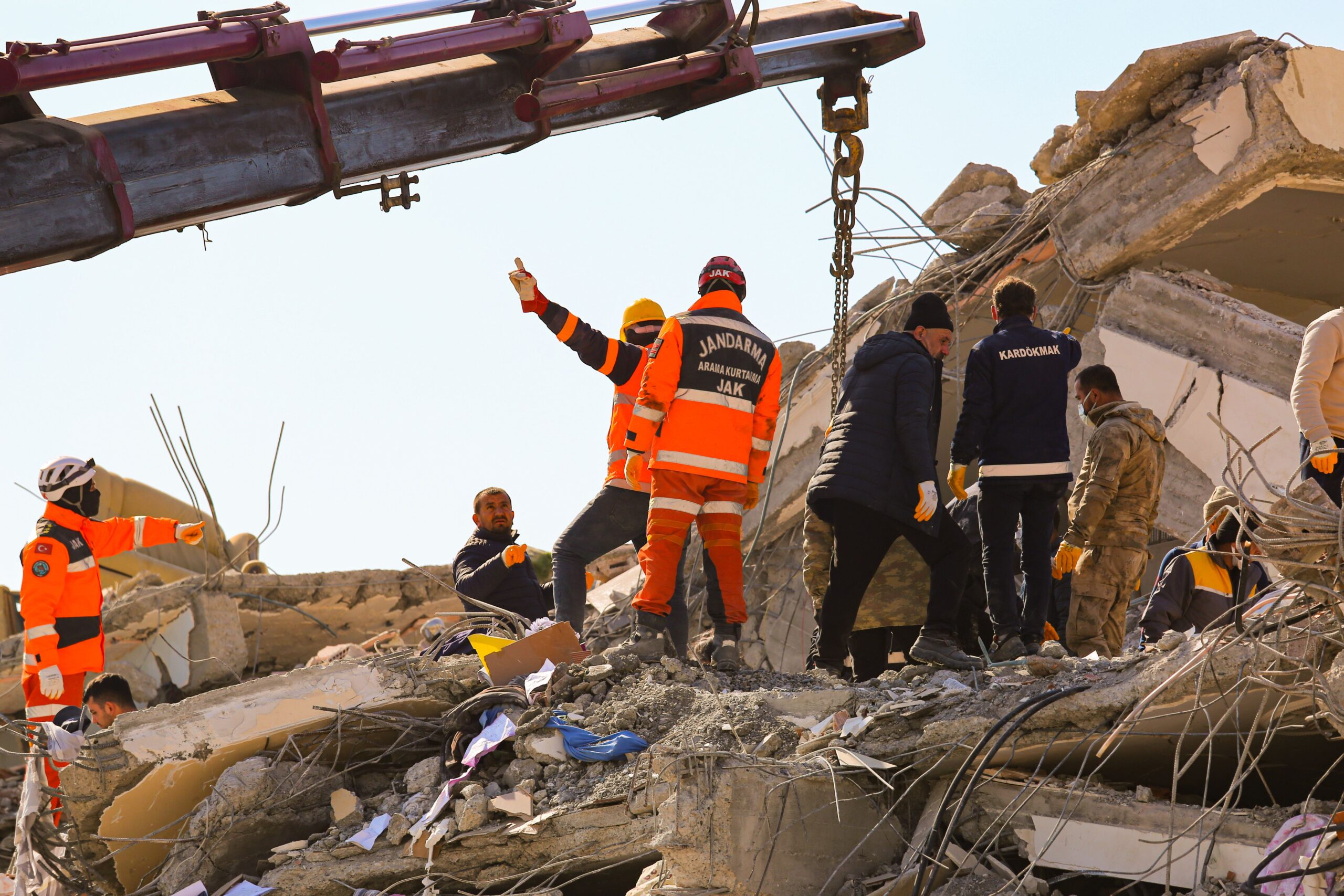
Seismologists identified the event as a deep strike-slip fault rupture occurring within a subducting slab. The Colombian Geological Service reported the quake occurred at a depth of approximately 103 kilometers, a figure that aligns with preliminary USGS data suggesting a depth of about 66 miles. This deep focal point allowed the tremors to be felt over a vast area, including the capital city of Bogotá and neighboring nations, though reports indicate that damage in Ecuador and Panama was minimal. Since the main shock, nearly 30 aftershocks have been recorded, with magnitudes ranging from 2.8 to 4.8, complicating rescue efforts and posing ongoing risks to unstable structures.
“The event shook us early in the morning,” said Raúl Rodríguez, corporate security manager for World Vision in Colombia. “Some people were on their way to work, while others were caught at home.”
The timing of the earthquake, occurring in the early morning, caught many residents off guard, contributing to the high number of injuries and fatalities. Emergency teams have continued search-and-rescue operations through the rubble, but the scale of the destruction has slowed progress. The event is noted as the largest seismic event recorded in Colombia in the current century. The region’s vulnerability is further heightened by the fact that neighboring Venezuela is still recovering from two devastating earthquakes that struck north-central Venezuela in June 2026, each with a magnitude above 7 and resulting in over 6,000 deaths.
Ongoing Recovery and Uncertainty
As damage assessments continue, authorities warn that impact information may change as they reach more remote communities. The disruption of water supply systems and health facilities presents immediate challenges for public health and sanitation in the affected zones. International and local aid organizations, including World Vision, have mobilized to provide emergency assistance. The coming weeks will focus on stabilizing the situation, clearing rubble, and beginning the long process of rebuilding infrastructure. For the residents of San José del Palmar and the surrounding cities, the immediate threat of aftershocks remains a constant presence as they navigate the aftermath of one of the most destructive natural disasters in recent Colombian history.
