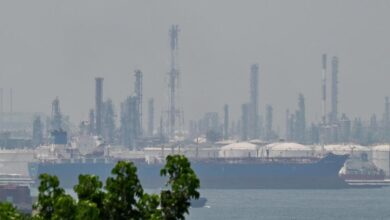
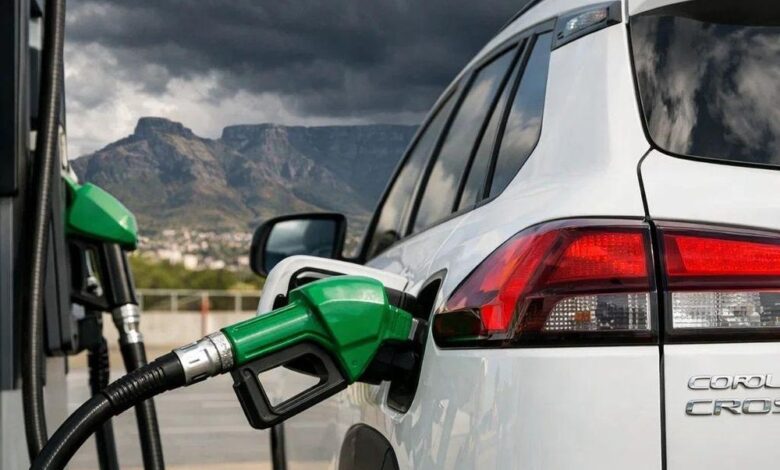
The primary catalyst for the expected price adjustment is the plunge in benchmark Brent crude, which has tumbled by approximately 15% following Donald Trump’s defeat in the US midterm elections. Brent crude currently holds near $98 per barrel, marginally softer than previous peaks, after US President Donald Trump signalled that fresh strikes on Iran are unlikely should diplomatic talks progress. This development has drained a significant portion of the risk premium that had been inflating oil prices in recent months. Bianca Botes, managing director at Citadel Global, noted that this geopolitical shift is directly correlating with the positive CEF data, offering a tangible break in a year marked by extreme volatility.
However, the path to cheaper fuel is not linear. While the CEF data points to cuts of up to R2.53 for petrol and 62 cents for 50ppm diesel, the reduction in Treasury’s temporary tax relief acts as a counterweight. The scaling back of this reprieve is set to increase petrol prices by 50 cents and diesel by R1.50. Consequently, the net effect for consumers depends on whether the decline in international oil prices outpaces the loss of tax relief. For petrol, the current trajectory suggests the oil price drop is sufficient to overwhelm the tax increase, resulting in a net decrease. For diesel, the situation is more ambiguous, with some sources suggesting a potential cut of 62 cents, while others indicate that diesel drivers may face another hike, highlighting the sensitivity of the market to final calculations.
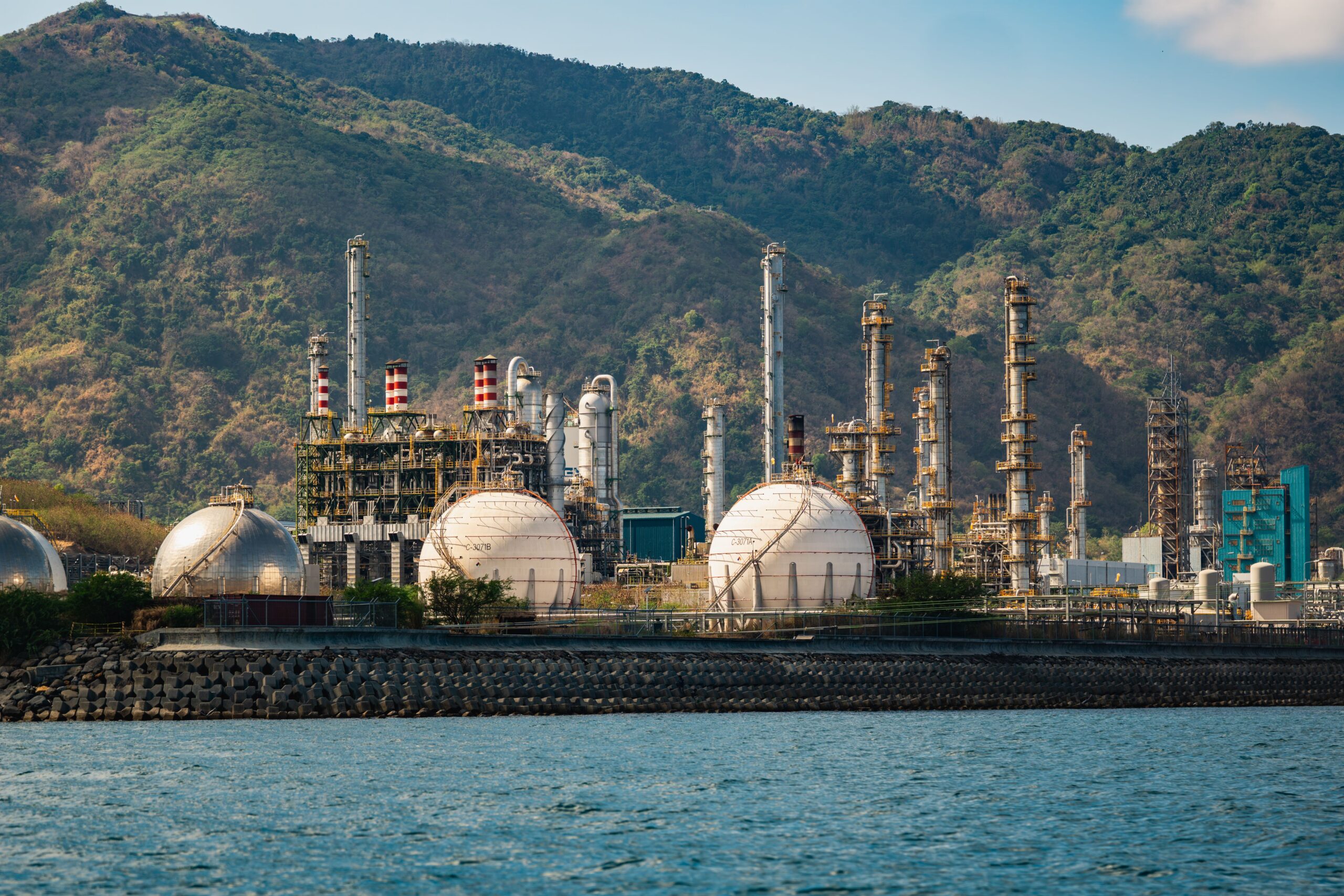
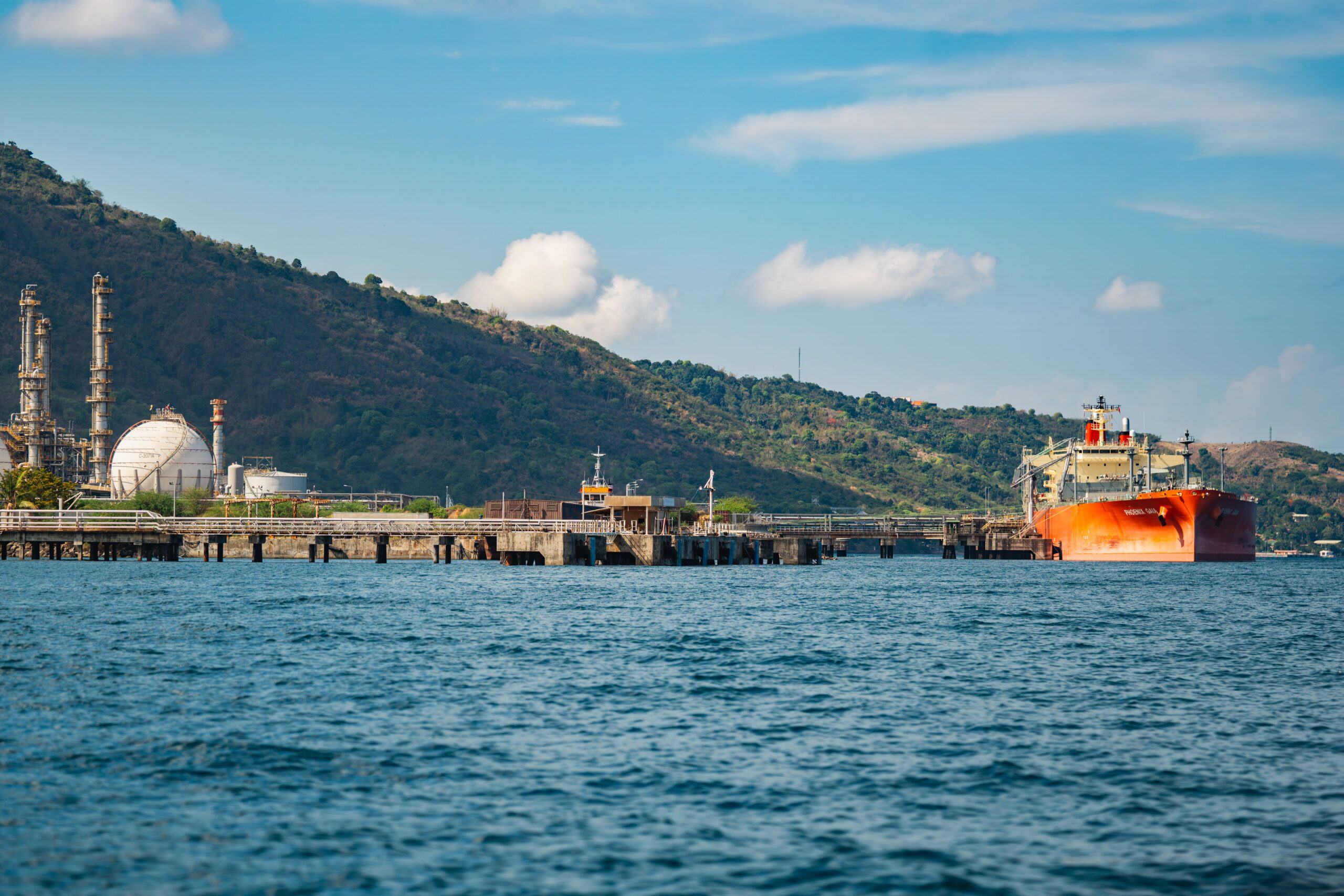
The broader energy landscape remains fraught with logistical challenges that complicate the transmission of international price drops to local pumps. Annabel Bishop, chief economist at Investec, cautioned that the longer-term outlook for transport costs remains clouded by persistent infrastructure and supply chain hurdles. Despite the drop in crude prices, freight rates for oil shipping rose to record highs last month. Oil stocks remain very low, with little near-term prospect of rebuilding inventories. Transport costs for tankers are at record levels, and other logistics expenses, such as insurance, have climbed steeply. These factors mean that even if the raw material becomes cheaper, the cost of moving it to South African refineries and distribution networks remains elevated.
This volatility has had a profound impact on domestic fuel consumption patterns. Data from Discovery Insure shows that its clients are buying smaller amounts of fuel, a behavioral shift indicative of cost-consciousness among households and businesses. The year has been particularly difficult for consumers; petrol prices have risen by almost R10 per litre this year, while diesel has increased by around R13. This surge was largely driven by the US war on Iran, which created extreme volatility in international oil markets. The initial relief in November, which saw petrol prices cut by one cent and diesel by between R1.10 and R1.20, offered a brief pause, but the cumulative annual increase has strained budgets significantly.
Uncertainty remains a dominant feature of the energy outlook. While the current trend favors lower petrol prices in December, the situation is highly contingent on geopolitical stability. Any resumption of hostilities between the US and Iran is almost certain to send oil prices spiralling once again. Such a shock would arrive at a time when South Africa can ill afford further fuel price instability. The interplay between the Slate Levy, which added a significant chunk to November’s fuel bill and could theoretically be scaled down, and the ongoing tax adjustments adds another layer of complexity to the final price determination.
As the final fuel price for December approaches, the focus remains on the balance between international market relief and domestic policy changes. For the average motorist, the early data offers a hopeful sign that the “outrageously expensive” travels anticipated earlier in the year may be mitigated. However, the experience of one household or a specific fuel type does not guarantee stability across the entire market. The reliability of this price cut depends on the continued cooling of geopolitical tensions and the ability of logistics networks to absorb the current high freight costs. Until the final pricing is announced, the energy system remains in a state of flux, where a single geopolitical headline could reverse the trend, reminding consumers that the link between global oil markets and local pump prices is both direct and fragile.