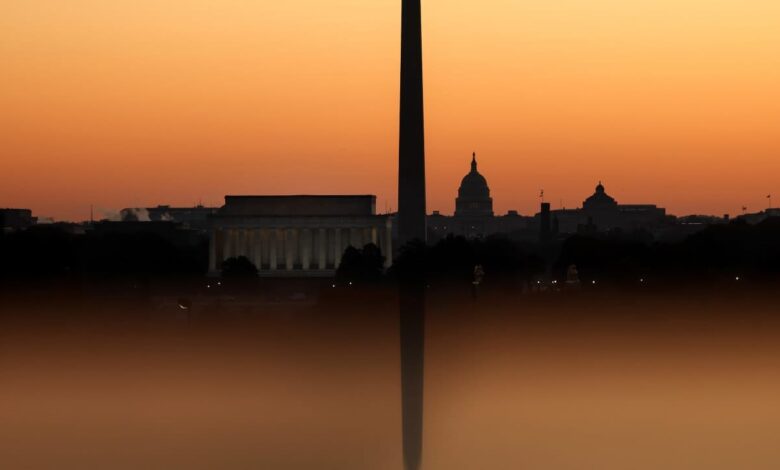
The central development is not an indication of an immediate, imminent strike, but rather the identification of a strategic option being cultivated by Tehran. US officials emphasized to CNN that the intelligence reveals Iran’s intent to broaden its menu of retaliatory or coercive tools. “Whether they actually have the personnel in place to execute is a matter of debate,” one official noted, underscoring the distinction between planning and operational capability. The presence of these plans suggests that Iran is seeking leverage in the broader conflict, aiming to impose psychological and physical deterrence through the threat of mass casualty events in the capital.
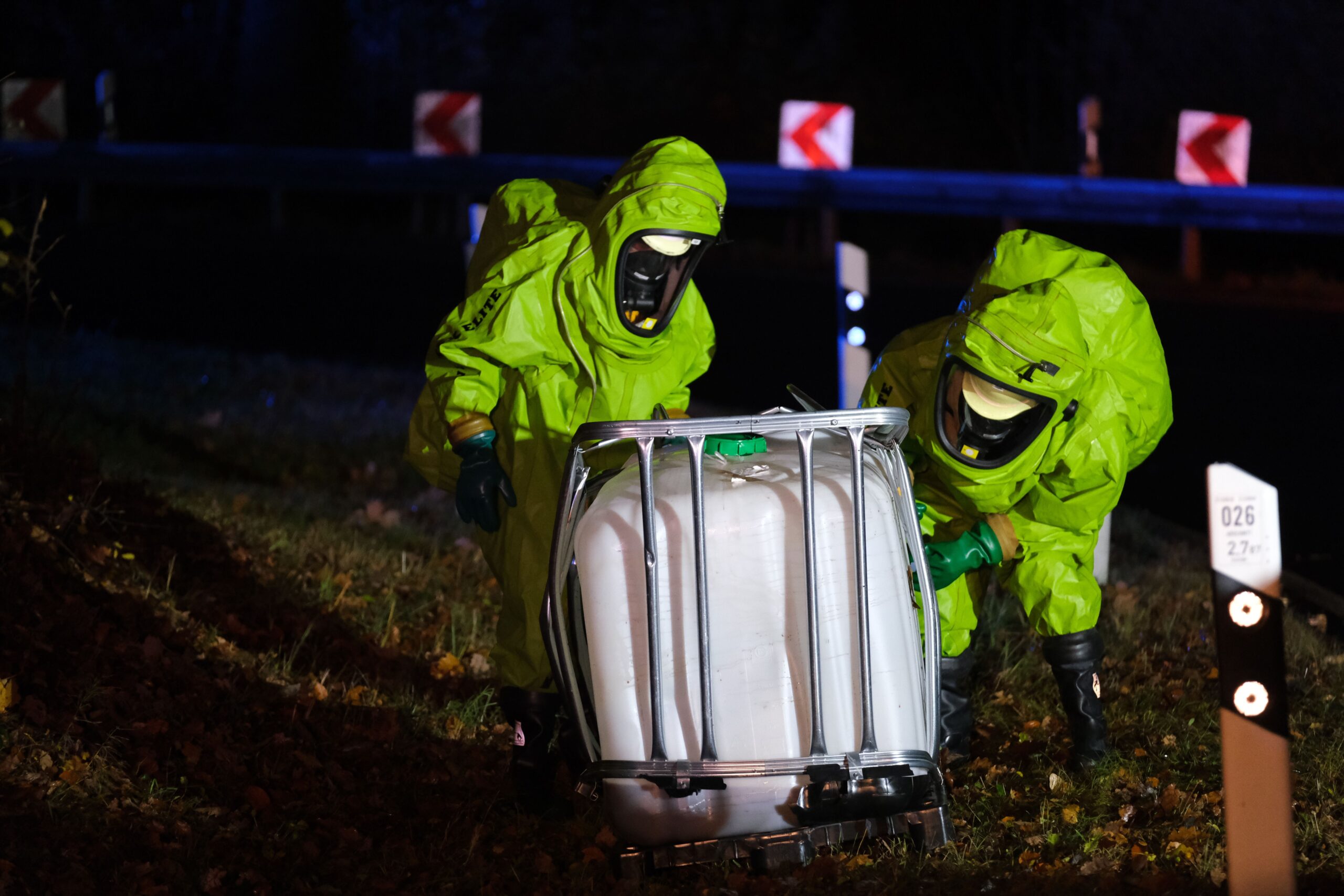
Operationally, the focus of such a threat lies in the nature of the weapons involved. A dirty bomb, or radiological dispersal device (RDD), is not a nuclear weapon; it does not produce a nuclear explosion or significant radioactive fallout in the traditional sense. Instead, it uses conventional explosives to scatter radioactive material over a wide area. Similarly, a chemical weapon attack would rely on toxic agents to cause injury or death. As one source familiar with the intelligence explained, “Any weapon like that is a weapon of terror, not a weapon of precision, just like a suicide bomber blowing themselves up.” The primary military and security objective of such devices is not to destroy infrastructure through kinetic force, but to create widespread panic, cause mass casualties, and render certain areas uninhabitable due to contamination.
The intelligence community has also intercepted Iranian communications claiming that bomb-making materials have already been stored inside the United States. However, officials remain divided over the credibility of this specific claim. This uncertainty creates a complex logistical and investigative challenge for US security agencies. If materials are indeed present domestically, the threat vector shifts from external delivery to internal readiness, requiring intensive counterintelligence efforts to locate and neutralize potential caches. The geographic constraint here is the vastness of the US homeland, which makes the detection of small, concealed quantities of radiological or chemical precursors a formidable task compared to tracking conventional military assets.
The political and strategic consequences of this intelligence are immediate. The revelation has prompted several high-level meetings over the past week to discuss potential responses. One official described these contingency planning sessions as “prudent,” reflecting a standard risk-management approach in national security. The White House, through spokesperson Lauren Bis, maintained a calculated tone of reassurance while acknowledging the monitoring of threats. “The US is monitoring any and all potential threats, but at this time there are no credible threats to the homeland,” Bis stated. This official position balances the need to avoid public alarm with the acknowledgment that intelligence agencies are actively engaged in threat assessment.
Iran’s response to these allegations has been categorical. The Iranian mission to the United Nations rejected the claims concerning chemical weapons, stating that Tehran “considers the use of chemical weapons under any circumstances to be wholly illegitimate and categorically rejects and unequivocally refutes the false and fabricated allegations circulated in this regard.” This diplomatic rebuttal is consistent with Iran’s historical stance on the taboo surrounding chemical weapons, even as it maintains a robust chemical industry and has faced international scrutiny over its stockpiles in the past. The discrepancy between US intelligence assessments and Iranian diplomatic denials is a common feature of modern statecraft, where public statements often serve to deny capabilities while covertly preserving them.
The timing of this intelligence release is critical. It emerges while the US continues its military campaign against Iran, with diplomatic efforts to end the conflict remaining ongoing. The interplay between kinetic military action and the threat of unconventional domestic attacks complicates the strategic environment. For the US, the military objective remains the degradation of Iran’s conventional and asymmetric capabilities. However, the threat of a dirty bomb or chemical attack introduces a new variable: the protection of domestic political leadership and civilian populations. This dual-front challenge requires the integration of military special operations, intelligence gathering, and domestic law enforcement and emergency management protocols.

What remains disputed and uncertain is the actual operational capability of Iran to execute such an attack. The debate among officials regarding the placement of personnel suggests that while the intent is clear, the logistical hurdles of sourcing, transporting, and deploying such materials in a foreign sovereign state are significant. The intelligence provides a warning of intent, but the evidence of imminent execution remains inconclusive. This ambiguity is itself a strategic tool, forcing the US to maintain a state of heightened readiness without committing to a full-scale escalation based on unproven capabilities.
As the situation develops, the focus will remain on the intersection of diplomatic pressure and security contingency. The initial reports of Iranian planning for an unconventional attack in Washington, DC, stand as a stark reminder of the evolving nature of modern warfare. While no immediate threat has been confirmed, the existence of these plans alters the risk profile for US leadership and highlights the persistent vulnerability of the homeland to asymmetric threats. The next confirmed development will likely involve further intelligence updates on the status of any alleged domestic stashes of materials or changes in Iranian diplomatic rhetoric as the military campaign continues.