
The primary driver of the recent price spike is the approach of Hurricane Isaias to the Gulf of Mexico, a region that accounts for a critical share of US domestic production. As the storm system nears, operators are forced to halt operations to ensure the safety of personnel and infrastructure. This temporary but significant removal of production capacity from the global supply chain has tightened available inventories, pushing spot prices higher. The disruption highlights the vulnerability of energy supply chains to extreme weather events, where even short-term operational pauses can trigger immediate and pronounced market reactions due to the inelasticity of short-term oil demand.
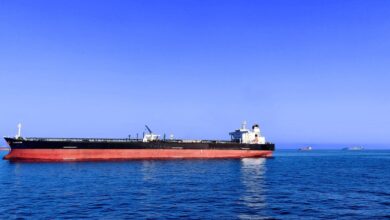
Compounding the weather-related supply constraints is the ongoing security threat posed by attacks on tankers. These incidents disrupt maritime logistics and increase the cost of transporting crude oil globally. When production is reduced in one major basin, such as the Gulf of Mexico, the global market relies more heavily on alternative supply routes. Any friction or risk premium applied to these routes, such as those through the Strait of Hormuz or other critical chokepoints, further restricts the effective supply reaching consumers and refiners, thereby exerting upward pressure on benchmark prices.

The rise in crude oil prices is not occurring in isolation but is part of a broader shift in global asset valuations. A significant sell-off in bond markets has simultaneously placed pressure on the euro, driving the currency close to a 17-month low against the US dollar. This dual movement in energy and fixed-income markets suggests a broader reassessment of global economic risks and inflationary pressures. Higher oil prices typically import inflation into major economies, which can influence central bank monetary policies and further affect currency valuations and interest rate expectations.
Market Dynamics and Supply Constraints
The interaction between physical supply disruptions and financial market sentiment is currently defining the trajectory of oil prices. The $104 level for Brent crude serves as a psychological and economic benchmark, signaling that the market is pricing in significant risk premiums for both geopolitical instability and climatic volatility. Traders and analysts are closely monitoring the path of Hurricane Isaias, as the extent of damage to offshore platforms and pipelines will determine the duration of the production outage. A prolonged disruption could lead to a more sustained elevation in prices, whereas a quick recovery of operations might lead to a partial reversion of the recent gains.
Simultaneously, the security situation regarding tanker attacks remains a critical variable. Without a definitive de-escalation of maritime tensions, the insurance costs and logistical delays associated with oil transport will continue to add to the overall cost of energy. This sustained pressure on supply chains contributes to the broader economic uncertainty, linking the physical energy sector closely with the performance of global financial markets. The proximity of the euro to 17-month lows underscores the interconnectedness of these asset classes, where energy inflation fears can erode the value of currencies perceived as less insulated from commodity price shocks.
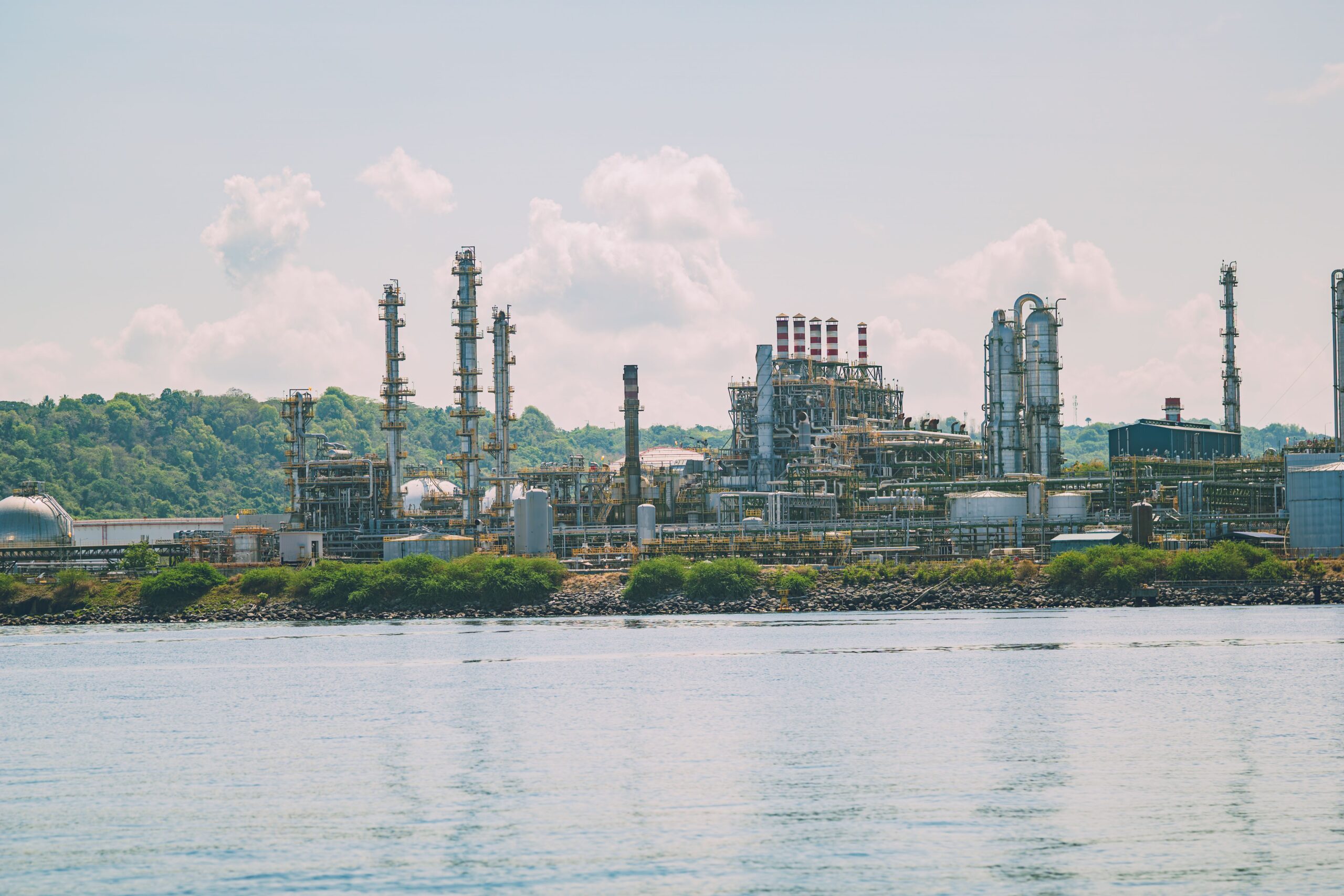
Investors and policymakers are now focused on the potential for further supply-side shocks. The convergence of a major hurricane in a key production hub and unresolved maritime security issues creates a fragile environment for global energy security. The market’s reaction to these events indicates a heightened sensitivity to any further reductions in available supply, suggesting that price volatility may remain elevated until both the weather-related outages are fully resolved and the maritime security landscape stabilizes.
The next critical milestone will be the assessment of operational damage in the Gulf of Mexico following the passage of Hurricane Isaias. The speed at which US production can return to pre-storm levels will be the primary determinant of whether Brent crude maintains its position above $104 or pulls back. Concurrently, any development in the security situation regarding tanker attacks will continue to influence the risk premium embedded in global oil contracts. The market remains in a state of high alert, balancing the immediate physical constraints on supply against the broader macroeconomic implications of rising energy costs.