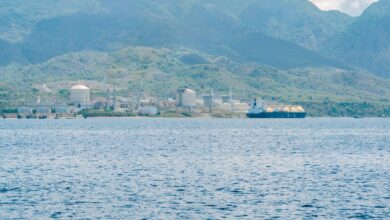
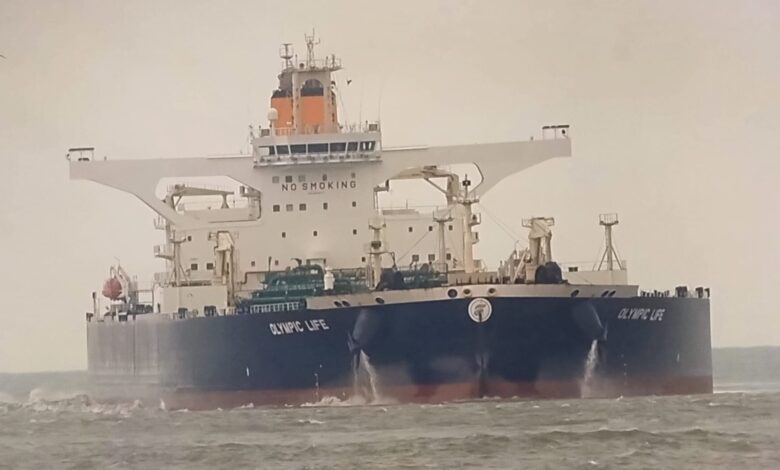
The location of the incident places it in a sensitive zone near the approaches to the Strait of Hormuz, the narrow passage that links Gulf energy producers to global markets. Large shares of the world’s oil and liquefied natural gas normally transit this corridor, making shipping security a central issue in efforts to preserve regional stability. The explosion adds a fresh maritime-security concern to an already volatile environment, occurring as Washington and Tehran remain locked in talks over the reopening of the waterway, sanctions, frozen funds, and Iran’s nuclear program.
Maritime authorities have not yet determined the cause of the explosion. The United Kingdom Maritime Trade Operations (UKMTO) agency confirmed the incident but stated that the origin of the blast was unknown. Until investigators can determine whether the explosion was caused by a mine, drone, missile, or another object, the case remains an unresolved warning sign in a corridor where a single incident can rattle energy markets far beyond the Gulf. No authority has publicly blamed a state or armed group for the tanker incident.
The timing of the blast is significant. It follows recent US strikes on Iranian missile sites and vessels that Washington said were involved in threats near the waterway. Iran has condemned these strikes as a breach of the ceasefire, while US officials have characterized the actions as defensive. These conflicting narratives underscore the fragility of the current diplomatic landscape. As negotiations continue over a broader US-Iran understanding, the physical security of shipping lanes remains a critical flashpoint. Any disruption in the Strait of Hormuz carries the potential to impact global energy supply chains, affecting not only the immediate region but also international markets that rely on the steady flow of hydrocarbons.
For the energy sector, the incident serves as a reminder of the operational risks inherent in transporting crude oil through contested waters. Although the Olympic Life was empty and no personnel were harmed, the damage to the vessel and the subsequent fuel leak highlight the vulnerability of maritime infrastructure. The response by the crew to contain the leak was a testament to standard emergency protocols, but the broader implications for shipping insurance, route planning, and diplomatic negotiations remain under scrutiny.
As the investigation proceeds, the focus will likely shift toward establishing a definitive cause for the explosion. The outcome of this inquiry could influence the pace and nature of ongoing negotiations between the US and Iran. If the incident is linked to hostile action, it may lead to further escalations or, conversely, serve as a catalyst for more robust security measures in the strait. For now, the Olympic Life remains a stark example of how geopolitical tensions can manifest in immediate, tangible risks to the global energy system.
The wider energy market will continue to monitor developments in the Gulf, watching for any signs of further incidents or diplomatic breakthroughs. The reliability of the Strait of Hormuz as a vital artery for global energy trade is paramount, and any uncertainty in this corridor has the potential to ripple through wholesale prices and supply agreements. The next verified development will likely come from the investigators’ findings or from the diplomatic tables where the fate of the waterway is being debated.