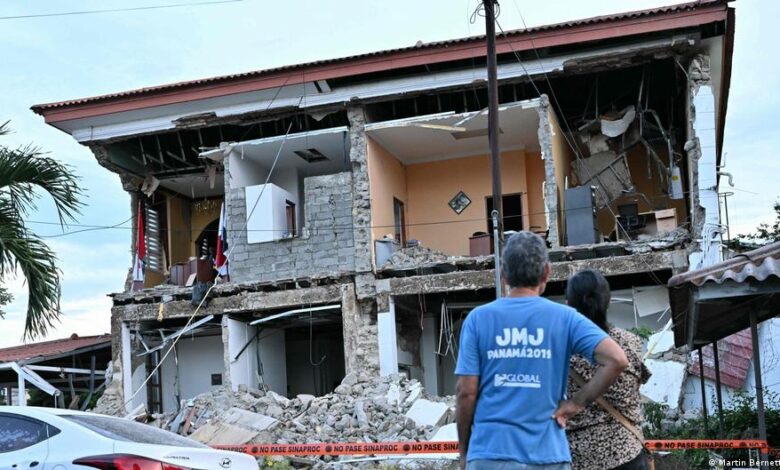
The initial tremor was so intense that it was felt as far away as neighboring Colombia. In the capital, Panama City, residents reported buildings shaking violently, sending many into the streets. “We felt it very strongly. It knocked things over in the kitchen, but we’re okay, though we’re very scared,” said Rosendo Domínguez, 60, a resident of Herrera province, who described the scene outside as one of widespread fear. Following the initial shock, a second powerful earthquake measuring 6.6 in magnitude struck the country, accompanied by multiple aftershocks, some of which registered as high as 5.8.
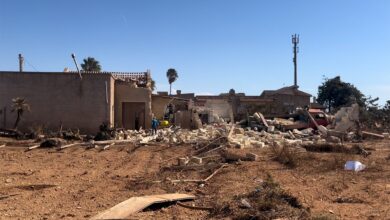
President José Raúl Mulino declared a “major disaster” in response to the seismic activity, stating that roads near the epicenter had been destroyed. While the president called for calm, urging citizens not to cause alarm or disorder, officials confirmed that damage was concentrated in the central provinces of Veraguas, Herrera, and Los Santos. Omar Smith of the National Civil Protection Service reported several injuries, as well as structural failures in key infrastructure. Notable damage included cracks in the cathedral in the district’s main square, damage to the governor’s office building, and the Dos Continentes hotel. Local reports further indicated that the colonial-style Church of San Atanasio in Los Santos province had collapsed; the structure had been designated a National Historic Heritage Site in 1938.
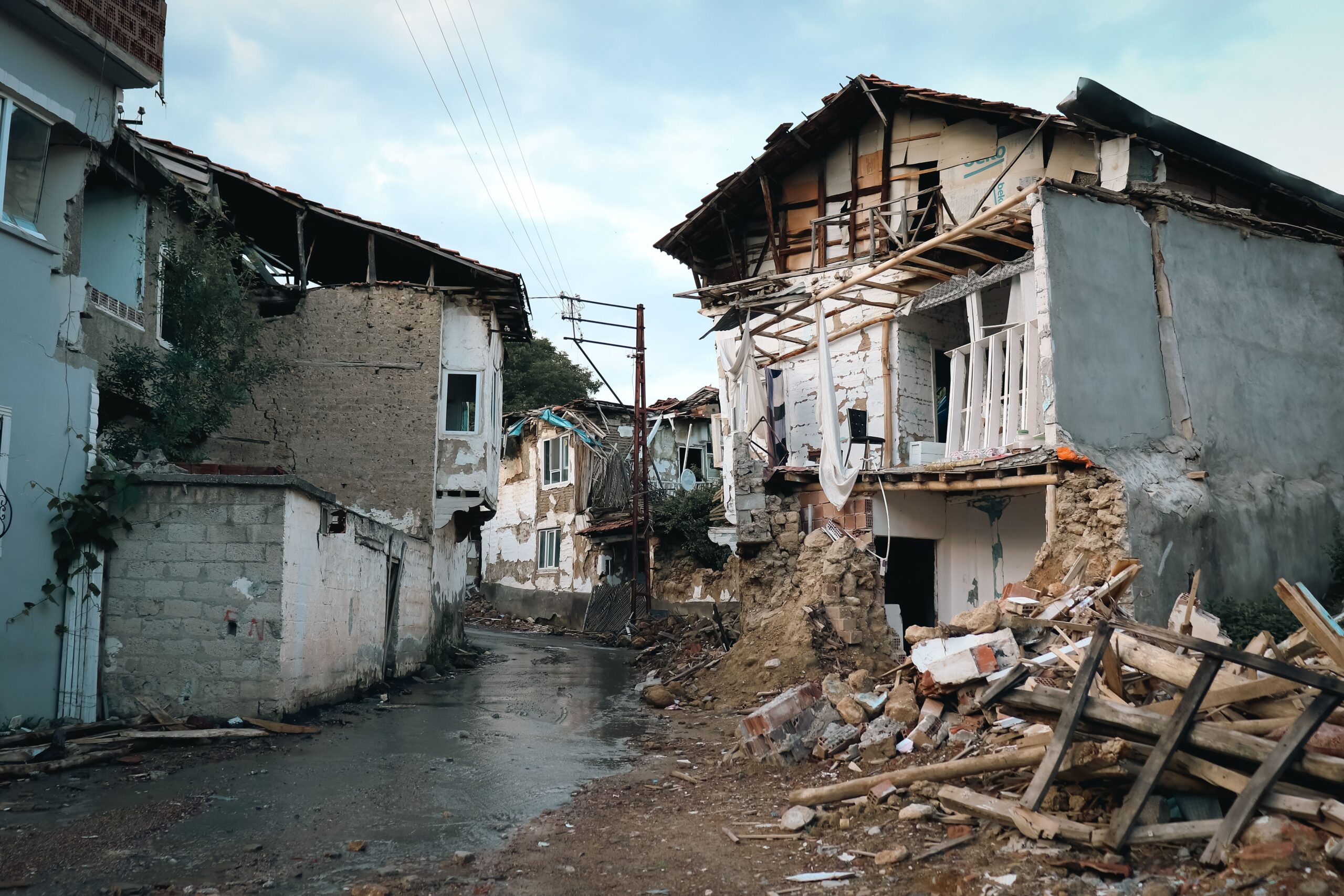
The seismic activity also triggered immediate maritime safety protocols. The US Tsunami Warning System issued an alert stating that hazardous tsunami waves were possible along parts of the coasts of Panama, Colombia, Costa Rica, Ecuador, Peru, Nicaragua, Guatemala, El Salvador, and Mexico within three hours. The system also reported a potential tsunami threat to Hawaii. Flights were briefly suspended in the region as a precautionary measure. However, the tsunami warning was lifted later on Friday afternoon. Authorities confirmed that the Panama Canal was operating as usual, with no reports of damage to the waterway infrastructure.
Seismologists at the University of Panama recorded more than 45 aftershocks following the main events, though many were too weak to be felt by the general population. The recent seismic event adds to a pattern of devastating earthquakes in the region over the past few months. In June, two back-to-back earthquakes measuring 7.2 and 7.5 magnitude struck Venezuela’s La Guaira state, killing more than 6,500 people and leaving 17,000 homeless. Subsequently, in August, a 7.4 magnitude earthquake in Colombia resulted in at least 289 deaths. This context has heightened public anxiety, with images of crumbling buildings and deep fissures slicing through roads circulating widely, fueling fears across a region already battered by recent natural disasters.
The USGS initially reported the first quake as magnitude 8 before revising the estimate to 7.6 and finally settling on 7.7. Shallow earthquakes, defined as those occurring up to 70 kilometers deep, are generally considered more dangerous and destructive because the energy is released closer to the surface, resulting in stronger ground shaking. As of the latest reports, the primary focus has shifted to assessing structural integrity and providing aid to affected communities in the central provinces, while monitoring for further seismic activity given the history of aftershocks.
The immediate aftermath highlights the vulnerability of both modern infrastructure and historic sites in seismically active zones. While no significant damage was reported to critical national assets like the Panama Canal, the collapse of heritage buildings and the disruption to transportation networks underscore the localized intensity of the event. The declaration of a major disaster mobilizes emergency response resources, though the long-term impact on the local economy and housing stock in the affected provinces remains under evaluation. The region’s recent history of high-magnitude seismic events suggests that preparedness and rapid response remain critical components of disaster management in Central and South America.