In Sweden, the storm resulted in three deaths. In Gävleborg County, central Sweden, a man in his 50s was killed after being struck by a falling tree at the Kungsberget ski resort. Further north, an employee of the regional utility company Hemab died in an accident while working outdoors during the storm. In Hofors, east-central Sweden, a man in his 60s was struck by a tree while working in a forest and subsequently died in the hospital. Police confirmed the fatalities, which highlighted the dangers posed by high winds and debris in both residential and industrial settings.
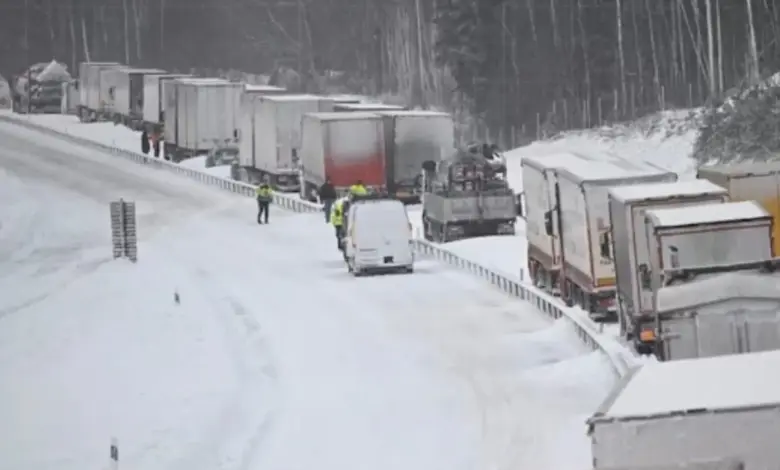
The storm’s impact on infrastructure was extensive. More than 40,000 homes in Sweden lost power, and numerous rail services were cancelled due to fallen trees and debris blocking tracks. Road traffic was also significantly disrupted, with authorities advising residents to avoid non-essential travel as cleanup operations continued. The combination of heavy wind and winter conditions created a complex logistical challenge for emergency services and utility workers attempting to restore services.
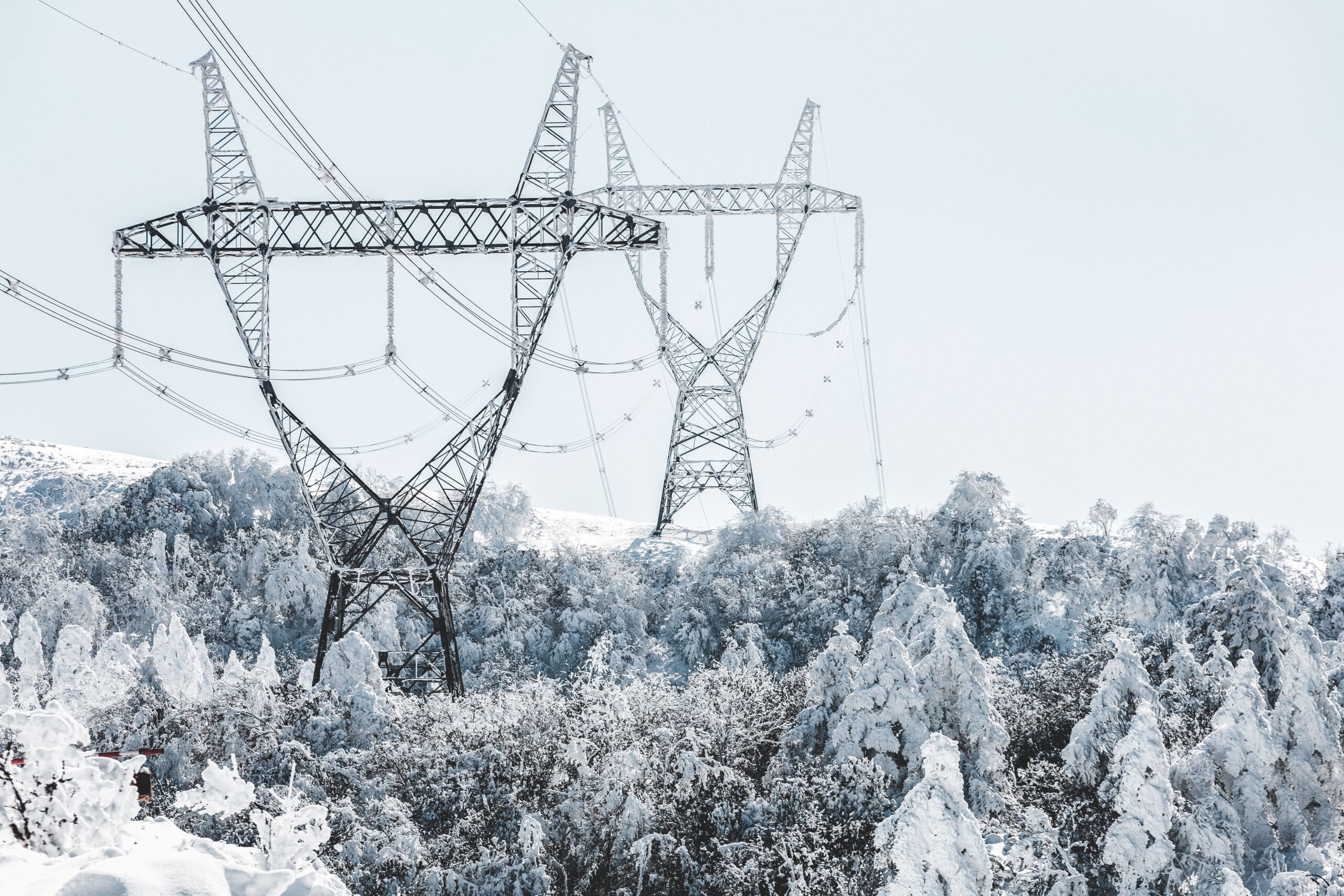
Neighboring Norway faced similar disruptions, with the Nordland region, one of the country’s most northerly counties, among the hardest hit. The fire department in Nordland responded to more than 200 weather-related incidents. Approximately 23,000 homes in Nordland lost electricity, with a further 9,000 homes in the Inland region also without power. Ferries, flights, and several railway lines were temporarily suspended as crews worked to clear damage and ensure safe passage.
In Finland, where the system was referred to as Storm Hannes, the storm caused significant power outages before subsiding on Sunday morning. Power outages peaked at over 120,000 homes on December 27, with around 85,000 still without electricity by midnight on December 28. The strong winds also affected air travel at Kittilä Airport in northern Finland. A Swiss Air passenger jet, carrying about 150 passengers, had just landed from Geneva when strong winds pushed the aircraft off the runway and into a snowbank. A smaller private aircraft, a 400XT model, was on the ground at the same time and was also pushed off course. No injuries were reported in either incident, and both aircraft were later secured.
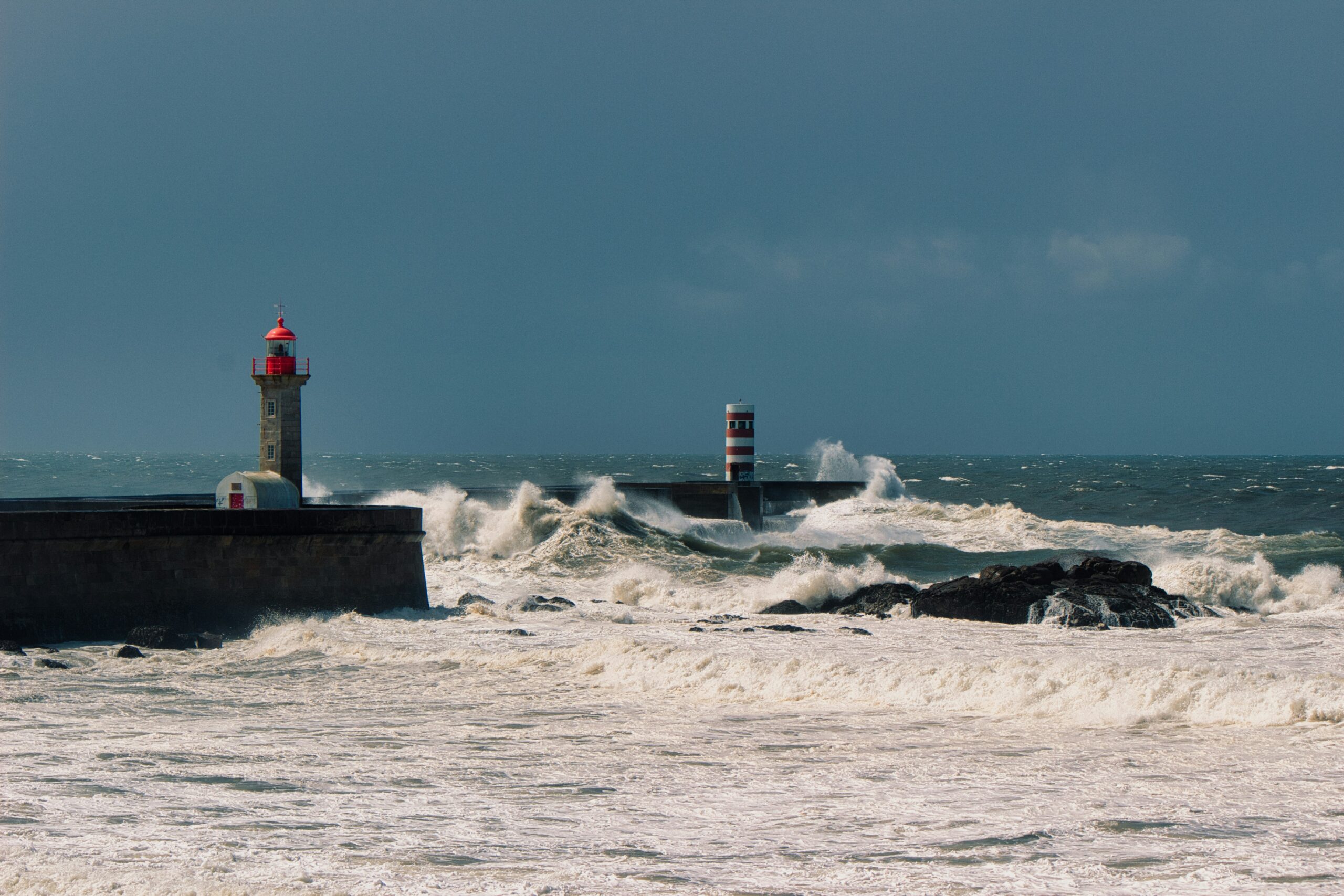
The event underscores the vulnerability of Nordic infrastructure to extreme winter weather. While the storm was a discrete meteorological event, its effects on critical services such as electricity and transport highlighted the ongoing challenges facing the region in maintaining resilience against increasingly intense storm systems. Authorities across the region warned of hazardous travel conditions and continued to monitor the situation as cleanup efforts progressed. The incident serves as a reminder of the need for robust emergency preparedness and infrastructure maintenance in areas prone to severe winter weather.