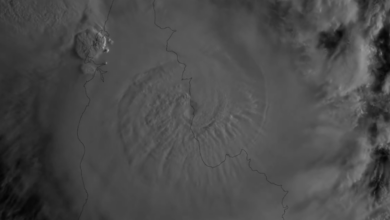
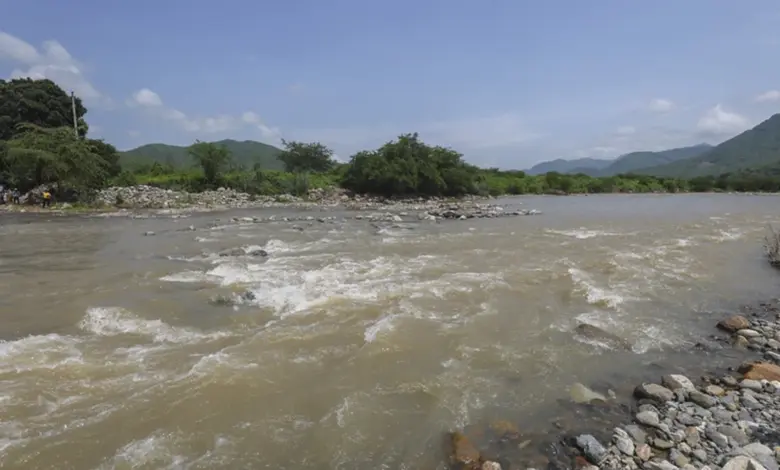
The declaration follows technical assessments by the National Institute of Civil Defense (INDECI), supported by data from the National Meteorology and Hydrology Service (SENAMHI) and the National Center for Disaster Risk Estimation, Prevention and Reduction (CENEPRED). These agencies concluded that numerous districts face a very high risk of severe rainfall as Coastal El Niño conditions persist alongside the development of El Niño in the central equatorial Pacific ahead of the upcoming rainy season. The decree ensures the continuation of emergency operations initiated earlier this year, allowing ongoing preparedness, response, and rehabilitation activities to proceed without interruption. Implementation of these measures will be financed through the existing institutional budgets of participating government entities, with no additional funding required from the Public Treasury.
The urgency of the declaration is underscored by the current humanitarian toll. As of March 6, 2026, intense rains and their consequences had already caused the deaths of 54 people, according to reports from INDECI Chief Luis Vásquez. This figure highlights the persistent vulnerability of Peruvian communities to hydrometeorological hazards, which are frequently exacerbated by decades of unmanaged urban growth and variable compliance with building codes. The emergency involves multiple ministries, including Health, Education, Defense, and Interior, coordinating with local authorities to manage risk and support affected populations.
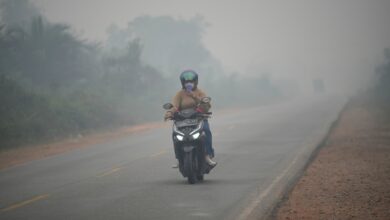
This rainfall emergency coincides with other significant environmental and security crises across the country. In the Amazonian regions of Amazonas, San Martín, and Ucayali, a separate state of emergency has been declared due to a widespread outbreak of wildfires. The situation in these areas, including the city of Pucallpa, presents risks of poor air quality and disrupted travel, prompting international travel advisories to urge caution. Meanwhile, in the southern Andes, the country is still recovering from a magnitude 7.2 earthquake that struck on August 20, 2026, affecting communities in the departments of Ayacucho, Arequipa, and Ica. A separate decree, No. 098-2026-PCM, extended the state of emergency in parts of Ayacucho, Cusco, and Junín for another 60 days starting July 6, 2026, to support continuing operations against organized crime and maintain internal security in the wake of the seismic event.
Peru’s geographic location on the Pacific Ring of Fire, where the Nazca Plate subducts beneath the South American Plate, makes the territory highly susceptible to frequent earthquakes and tsunami risks. Compounding this geological volatility is the regular impact of the El Niño-Southern Oscillation cycle, which brings heavy rainfall, flash floods, and debris flows known locally as *huaicos*. These hazards affect both coastal cities and rural Andean valleys, placing immense pressure on civil protection budgets that have faced recent scaling back. The current multi-faceted crisis demands a coordinated national response that addresses both immediate disaster mitigation and long-term structural vulnerabilities.
Looking ahead, the next 60 days are critical for the execution of the newly declared emergency measures. INDECI will oversee the technical coordination of regional and local governments as they implement disaster risk reduction and rehabilitation plans. Simultaneously, monitoring of the El Niño development will continue to refine forecasts for the upcoming rainy season, while efforts to combat wildfires in the north and stabilize security in the south remain ongoing. The success of these concurrent operations will determine the resilience of Peruvian infrastructure and communities as they face the peak of the 2026–2027 climatic and seismic challenges.