
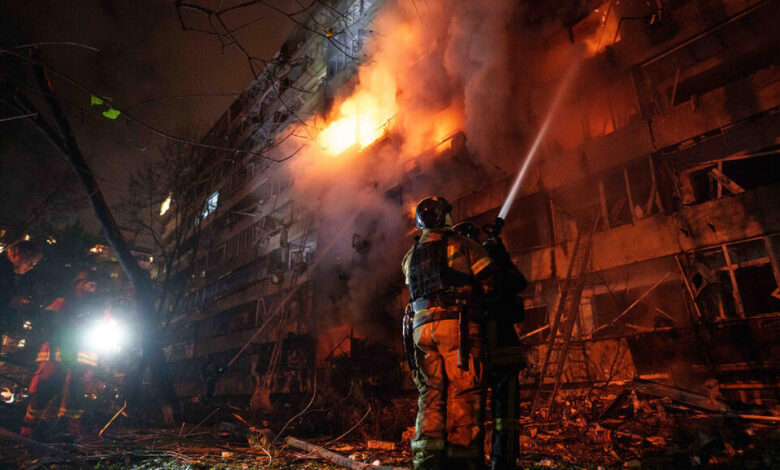
Zelenskyy accused Western allies of failing to provide any advance warning of the incoming ballistic missile. He described the lack of early notification as a critical failure, emphasizing that the strike hit a key power generation facility in the capital city. The impact of the missile on the CHP-4 plant underscores the continued vulnerability of Ukraine’s energy grid to long-range Russian weapons systems, despite diplomatic efforts to establish a truce on this specific front.
The timing of the strike has raised immediate questions regarding the implementation and enforcement of the recently announced energy ceasefire. Trump had claimed that the agreement was in effect, suggesting a mutual pause in attacks on energy assets. However, the confirmed strike on a major power plant in Kyiv contradicts the premise of an active and honored ceasefire. Zelenskyy’s remarks suggest that Russia is either ignoring the terms of the agreement or that the diplomatic framework lacks the mechanisms to prevent such incidents.
The CHP-4 power plant is a significant component of Kyiv’s energy infrastructure. Damage to such facilities can lead to widespread power outages and heating disruptions, particularly during the colder months. The Ukrainian leadership has consistently highlighted the protection of energy infrastructure as a top priority, linking the resilience of the power grid to the country’s overall defense capability and civilian safety. The loss of two lives and the injury of others in this specific incident adds to the cumulative humanitarian toll of the ongoing conflict on urban centers.
This incident marks the latest in a series of strikes on Ukrainian energy targets, a pattern that has persisted throughout the conflict. Western partners have provided various air defense systems to help Ukraine mitigate these threats, yet the failure to provide warning of this specific ballistic missile strike has drawn sharp criticism from Kyiv. The discrepancy between the announced diplomatic progress and the ongoing military actions creates a complex situation for international mediators trying to sustain peace efforts.
The immediate aftermath of the strike focused on emergency response and damage assessment. Authorities worked to secure the site and restore power where possible. The incident is expected to be a central topic in upcoming diplomatic discussions, with Kyiv likely demanding clearer assurances or enforcement mechanisms for the energy ceasefire. The absence of early warning from allies complicates Ukraine’s air defense posture, highlighting gaps in intelligence sharing or technical capabilities that may need to be addressed to protect critical infrastructure effectively.
As the situation develops, the international community is watching closely to see if further strikes occur in the coming days. The credibility of the energy ceasefire, as stated by US officials, is now under direct scrutiny. Ukraine’s response will likely involve both military countermeasures and diplomatic pressure to hold Russia accountable for the breach of the agreed terms. The incident serves as a stark reminder that diplomatic agreements, particularly those regarding specific infrastructure, require robust verification and enforcement to be effective.