According to police, the four survivors include a 26-year-old man and a 33-year-old woman who have since been discharged from hospital, and a 22-year-old man and a 28-year-old woman who remain in critical condition. The cause of the sinking is not yet determined, and the vessel’s name was not initially confirmed by authorities, though marine radio logs reviewed by Postmedia explicitly refer to the Malaika during the emergency communications.
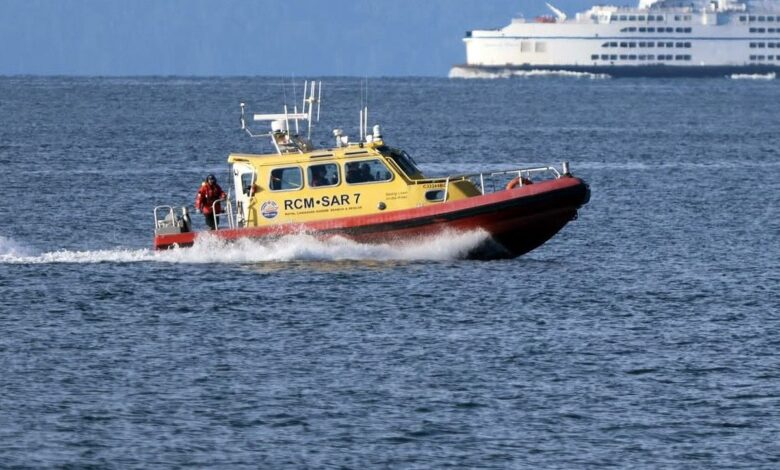
The sequence of events, reconstructed from one-sided marine radio broadcasts relayed by the Victoria coast guard, reveals a chaotic early response. The broadcasts indicate that the vessel reported five people in the water near the Tango Alpha buoy. Coast guard operators coordinated with the B.C. Ferries Queen of Alberni, asking the vessel to divert and deploy its fast rescue craft. At one point, the coast guard reported hearing that three people were holding onto a rope in the water, while two others could not be located. A coast guard hovercraft, the Siyay, was dispatched to lead the rescue efforts. By 9:45 p.m. Sunday, the search and rescue commander for the Victoria region suspended the active search, handing the incident over to the Royal Canadian Mounted Police (RCMP).
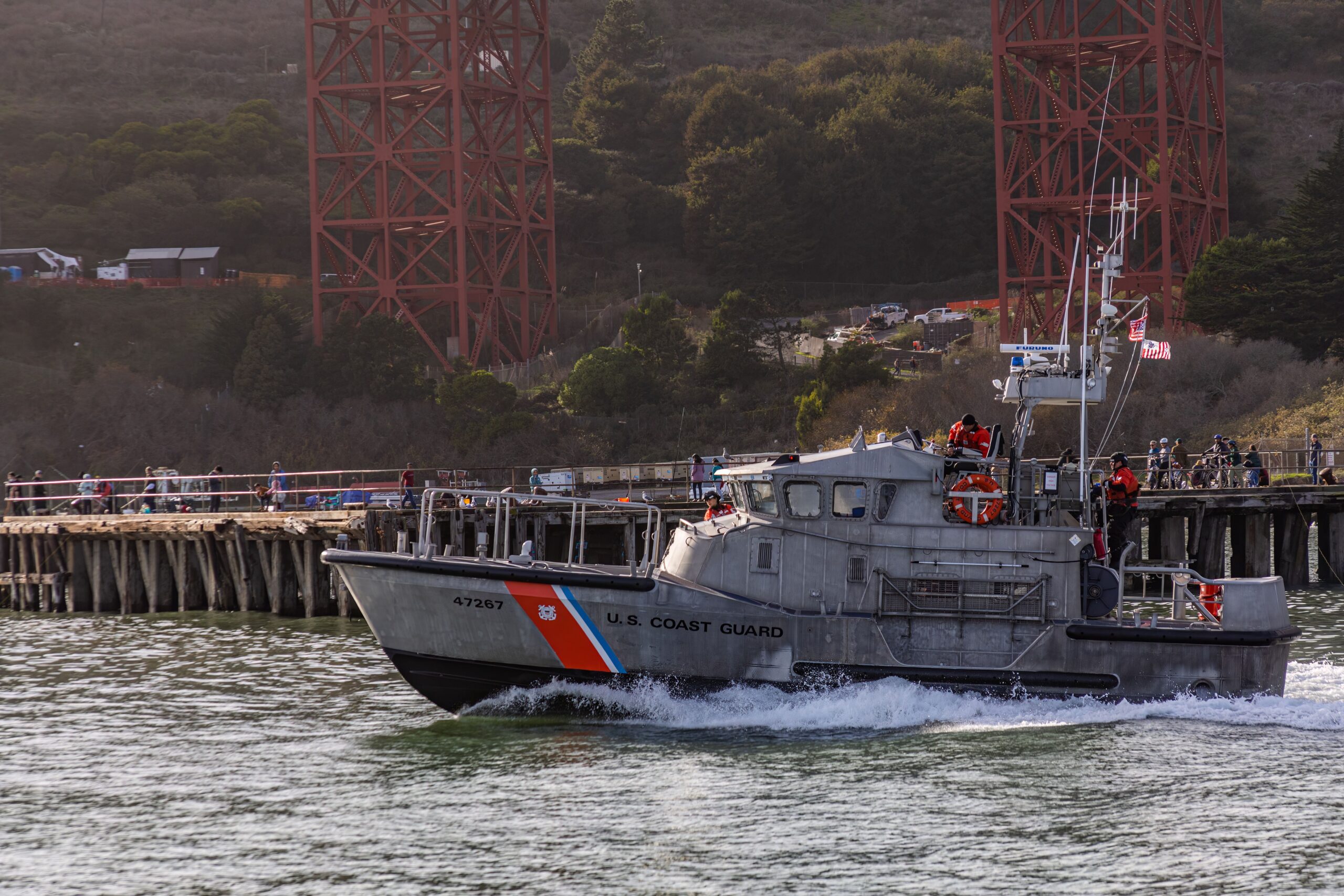
Local maritime experts suggest that the meteorological and tidal conditions on Sunday created a particularly dangerous environment. Dan MacLeod, owner of Pursuit Sport Fishing Charters in Richmond, noted that he had cancelled his own charter due to the forecast. He described a “steady 15- to 20-knot northwest wind” that hits the strait aggressively. MacLeod explained that when such winds coincide with an ebbing tide, the water “stacks up,” creating significantly higher waves. “You have three actions that are creating very, very high waves and very deep wells,” MacLeod said. “So five-, six-, seven, eight–foot waves can occur, and especially in that vicinity.” He added that the Fraser River outflow, heightened by seasonal freshets, further intensifies these conditions, making the area “treacherous” for smaller vessels, particularly those carrying 10 people.
Witnesses aboard passenger ferries provided a ground-level view of the response. Lee Cote, traveling on the 11:30 a.m. Hullo passenger ferry from Vancouver to Nanaimo, felt the vessel slow and stop in open water. Passengers were informed of a capsized boat, and Cote observed a helicopter and a ring of civilian boats forming a search perimeter. He described the water as “choppy but not severe,” noting it was “just regular” by his standards, yet he spotted what he believed to be a person floating in the distance. Sarah Blyth-Gerszak, who was on a ferry heading to Vancouver, described the scene as “very surreal,” recalling an announcement that seven people were in the ocean. She and other passengers spent approximately an hour scanning the wavy water with binoculars, a task she described as “impossible” due to the difficulty of distinguishing people from birds and logs in the open ocean.
The incident has also highlighted ongoing concerns regarding unlicensed fishing charters in the area. MacLeod stated that it is not uncommon to see boats leaving Steveston dock with up to 10 people on board, often without life jackets. He noted that these are typically “underground fishing charter companies” and that the Fisheries Department has been cracking down on such unlicensed operators. The TSB confirmed it is assessing the occurrence and collecting data, though it has no immediate plans to deploy investigators. As the RCMP continues its investigation, the specific cause of the *Malaika’s* sinking remains unknown, leaving the full extent of the environmental and operational factors involved to be determined.