The seismic activity generated immediate physical damage and human impact across a wide swath of the country. In the Aichi region, which experienced the most violent shaking according to official assessments, the consequences were visible on the streets by dawn. Japanese television footage captured shattered storefront windows and shards of glass scattered across urban areas. In Toyohashi city, a car dealership was left with broken windows, while in nearby Toyota, a large bookstore reported that merchandise had dropped from shelves, creating mounds of displaced books. Similar damage was documented in Hamamatsu, a city in the affected area, where residents fled buildings as the ground shook.
The human toll, while largely consisting of minor injuries, required emergency medical intervention. Authorities in Aichi reported 16 cases of mostly minor injuries, while officials in neighboring Shizuoka stated that at least three women sought emergency care. Among them was a woman in her nineties who injured her shoulder after falling from her bed during the shaking. Local media outlets, including the Chunichi Shimbun and Tokai Television, aggregated these reports to estimate that at least 24 people were hurt across the two regions. The injuries included individuals who fell while attempting to flee buildings or navigate stairs in the dark. Notably, the tremor was felt as far west as Osaka, where a foreign resident was hospitalized after falling from a second-floor apartment, highlighting the broad reach of the seismic waves despite the epicenter’s location in Shizuoka.
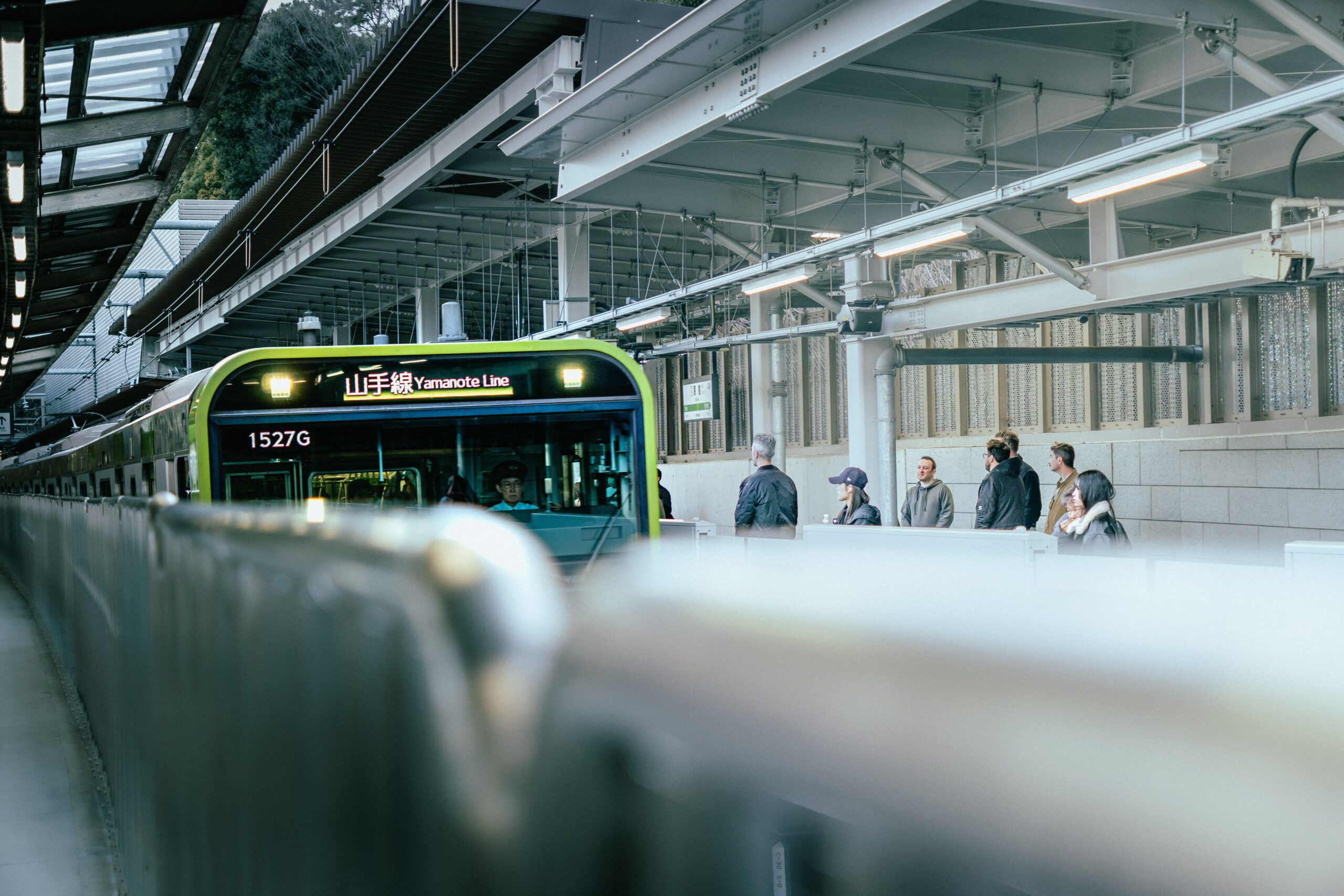
Infrastructure systems, particularly rail networks, were significantly impacted. The Shinkansen bullet trains, along with regional services, faced temporary delays and suspensions on Sunday morning. As a precautionary measure, bullet trains in the affected areas operated at slower speeds to account for potential, though not yet confirmed, damage to the railway lines. The disruption underscored the sensitivity of Japan’s high-speed rail infrastructure to seismic events, even those of moderate magnitude.
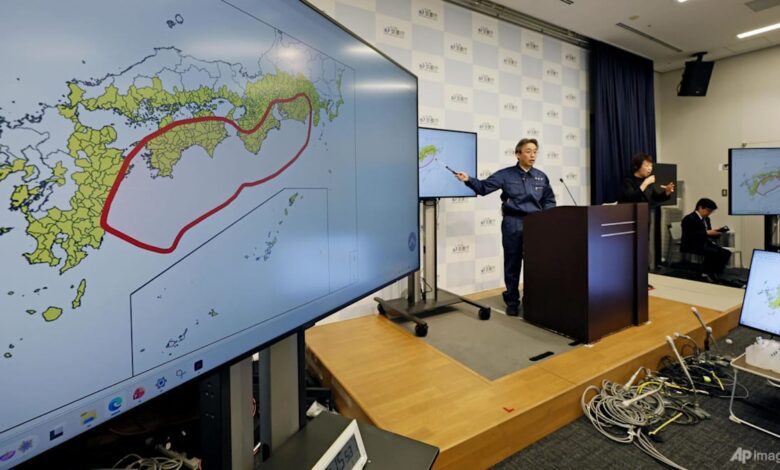
In the aftermath, the Japan Meteorological Agency issued a warning for the coming week, specifically urging residents to brace for possible strong aftershocks in the next two to three days. Ayataka Ebita, an agency official, addressed reporters regarding secondary risks, advising the public to be on the lookout for mudslides, falling rocks, and the compounding effects of rainfall. These warnings reflect standard protocol in seismically active regions, where secondary geological hazards often pose greater risks than the initial tremor if weather conditions align.
Crucially, officials clarified that no tsunami warning was issued for the event. Furthermore, Ebita stated that no apparent change was detected in the Nankai Trough plate, a subduction zone where scientists monitor for the possibility of a megaquake. This distinction is vital for public understanding, separating this local tectonic adjustment from the larger, long-term seismic threats that define Japan’s geological landscape. The country, situated on the Pacific “Ring of Fire,” experiences hundreds of earthquakes annually, a reality shaped by the memory of the 2011 magnitude 9.0 undersea quake that triggered a devastating tsunami and the Fukushima nuclear disaster.
The event also occurred against a backdrop of recent seismic activity in other parts of the country. On the same day, a separate 4.3-magnitude earthquake struck the Kumamoto region at 10:53 a.m. While no immediate reports of serious damage or injuries emerged from this second tremor, it serves as a reminder of the ongoing recovery efforts in the southwestern region. Kumamoto is still grappling with the aftermath of a 7.1-magnitude quake in July that killed 38 people, flattened homes, and left tens of thousands without power.
As the dust settles on the November 8 tremor, the focus shifts to monitoring the geological stability of the central region. The lack of deaths and the relatively minor nature of the injuries suggest that modern building codes and public preparedness—such as having plans to hide under tables and keeping walking shoes handy—may have mitigated more severe outcomes. However, the shattering of windows and the displacement of goods in commercial spaces indicate that even moderate earthquakes carry significant economic and logistical burdens. For the residents of Shizuoka and Aichi, the immediate danger has passed, but the vigilance required by the JMA’s warnings for aftershocks and mudslides will persist for the coming days, keeping the community on high alert.