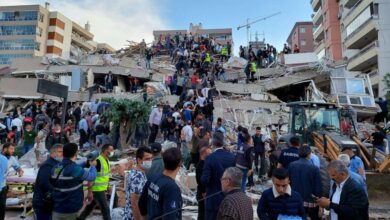
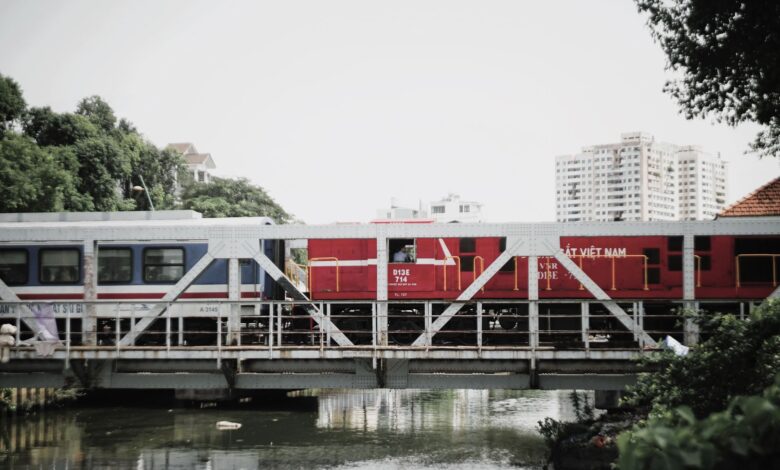
The collision happened on a bridge connecting to the city’s primary rail hub. Emergency services spent approximately two hours extracting all passengers from the trains. Visual reports from the scene depicted rescue workers transporting injured individuals on stretchers, with emergency vehicles forming a perimeter around the station area. The Czech Republic’s national news agency, CTK, reported that 16 of the hospitalized individuals were foreign nationals.
Czech Transport Minister Ivan Bednárik addressed the incident via local media, declining to speculate definitively on the root cause while noting preliminary indicators. “I won’t speculate on whether it was a technical fault or a human factor but so far it looks like a train ran a red light,” Bednárik stated. He emphasized the government’s commitment to a thorough evaluation of the event, adding that the goal is to “take any measures that will contribute to further increasing the safety of railway transport.”
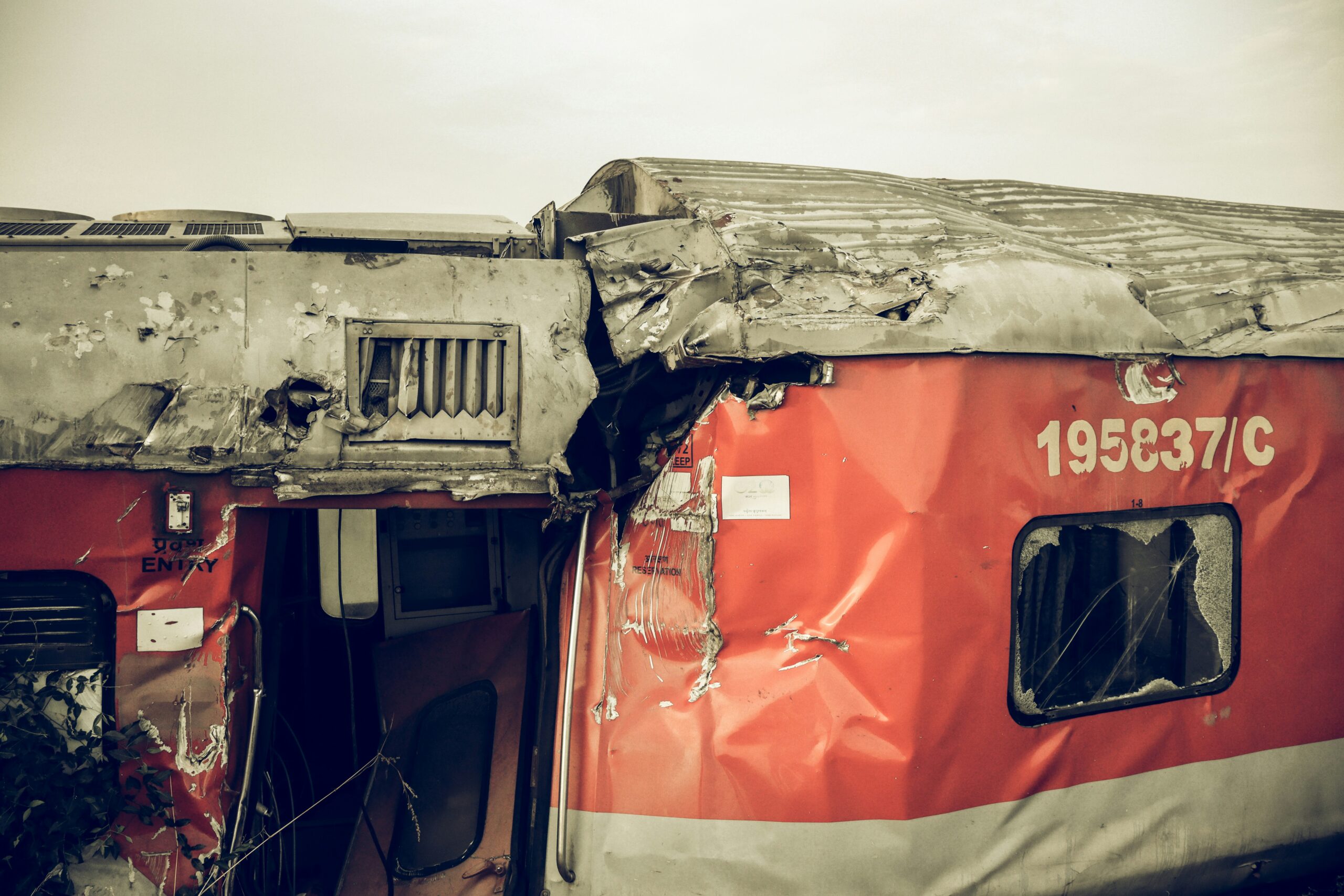
Police authorities have confirmed that the rescue operation has been completed and that a formal investigation is underway. The immediate consequences of the crash include significant disruptions to rail services to and from the station. Commuters have been advised to utilize alternative routes to mitigate further congestion and safety risks.
While the specific mechanism of the failure remains under investigation, the distinction between a technical malfunction and human error is critical for subsequent safety reforms. The low-speed nature of the collision, combined with the proximity to a major urban terminal, highlights the complex interplay of infrastructure design, signal reliability, and operational protocols in high-density rail networks. Until the investigation concludes, the precise cause remains unverified, with official statements limited to the observation of a potential signal breach.
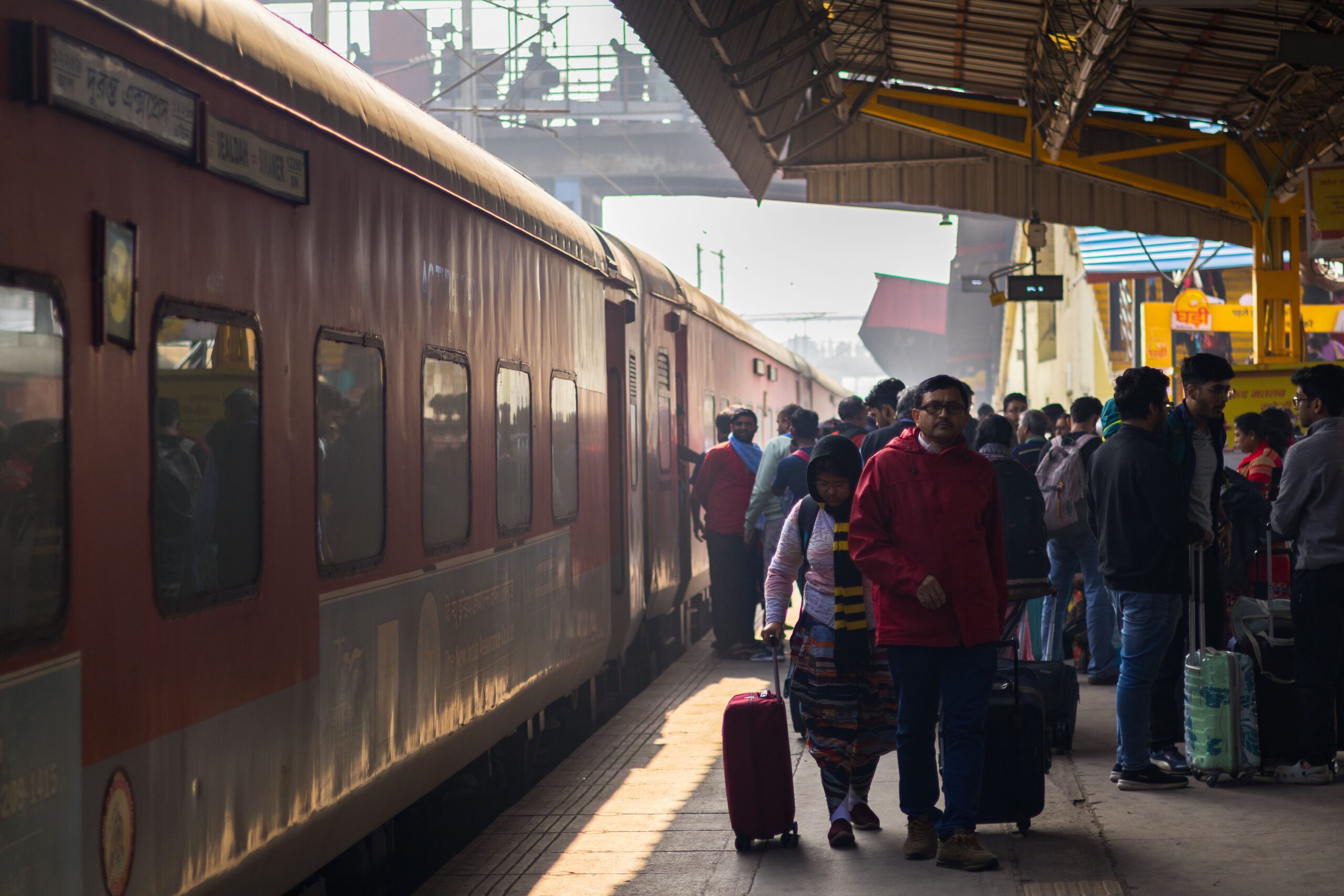
The incident underscores the ongoing challenges in maintaining safety standards for passenger rail systems, particularly in historic city centers where infrastructure constraints may limit operational flexibility. The focus now shifts from immediate medical response to the analytical phase of the accident investigation, which will determine if systemic changes to signaling or training are required to prevent recurrence.