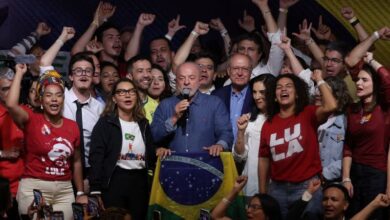
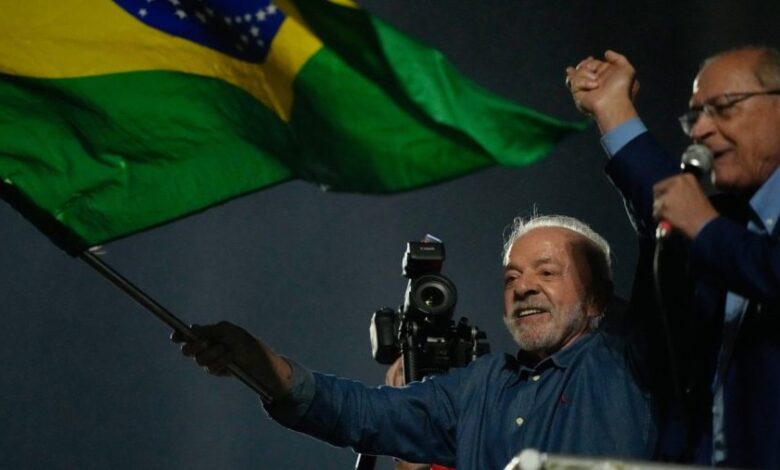
The election outcome was met with immediate recognition from Democratic lawmakers in the United States and leaders around the world, who offered congratulations to the re-elected president. Lula’s victory is particularly notable for its historical rarity; no prior Brazilian leader had secured four terms, marking a significant milestone in the country’s democratic history. The win positions Lula to continue his administration’s policies and foreign policy stances, which have frequently placed him in direct contrast with other global leaders.
Central to the political significance of this election is the identity of the defeated candidate, Flávio Bolsonaro, the son of Brazil’s former far-right leader, Jair Bolsonaro. The matchup represented more than a standard contest between two individuals; it served as a referendum on the legacy of the Bolsonaro administration versus the established political influence of Lula. By defeating Flávio Bolsonaro, Lula effectively neutralized the immediate electoral challenge from the Bolsonaro political faction, reinforcing the resilience of his own political movement.
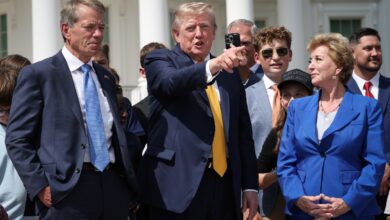
Lula is widely known as an outspoken critic of U.S. President Donald Trump. This dynamic has shaped much of the international reaction to the election. The congratulations from Democratic lawmakers in the U.S. reflect the alignment of interests and political sympathies between Lula’s administration and the Democratic Party, particularly in contrast to the Trump administration. Lula’s foreign policy has often emphasized multilateralism and climate action, positions that stand in sharp relief to the unilateralist approaches associated with Trump. His re-election ensures that this critical voice remains at the head of the world’s largest democracy in the Americas.
The political process in Brazil, culminating in a two-round runoff, allowed the electorate to make a clear choice between the established incumbent and the heir to the previous administration’s political brand. The fact that Flávio Bolsonaro, rather than his father, stood as the principal challenger indicates the evolution of the Bolsonaro political movement, seeking to institutionalize its influence through family lineage and new leadership following Jair Bolsonaro’s departure from the highest office. However, the outcome suggests that the electorate preferred the experience and track record of Lula over the new leadership of the Bolsonaro camp.
The implications of this victory extend beyond domestic governance. Lula’s fourth term provides him with the mandate to pursue his legislative and executive agenda with a strengthened hand. For the Brazilian public, the election resolved a period of intense political polarization, reaffirming the stability of Lula’s political base. Internationally, the result reinforces the balance of power in Latin America, with a left-leaning, pro-multilateralism leader securing a longer tenure in the region’s most significant economy.
While the immediate political landscape is now defined by Lula’s victory, the long-term structural changes in Brazilian politics remain to be seen. The defeat of Flávio Bolsonaro does not necessarily eliminate the political influence of the Bolsonaro faction, but it does halt their immediate bid for the presidency. The next phase of Brazilian politics will likely involve Lula navigating his relationship with Congress and international partners, continuing to position himself as a counterweight to far-right movements globally. The congratulations from leaders around the world underscore the global attention this election commanded, reflecting the broader geopolitical significance of Brazil’s leadership.
As Lula prepares to begin his fourth term, the focus will shift from the campaign trail to the challenges of governance. His ability to implement policies and maintain diplomatic relations will be the next test of this historic electoral achievement. The election has drawn a clear line between the political forces that have defined modern Brazilian history, with Lula emerging as the enduring figure of the current era.