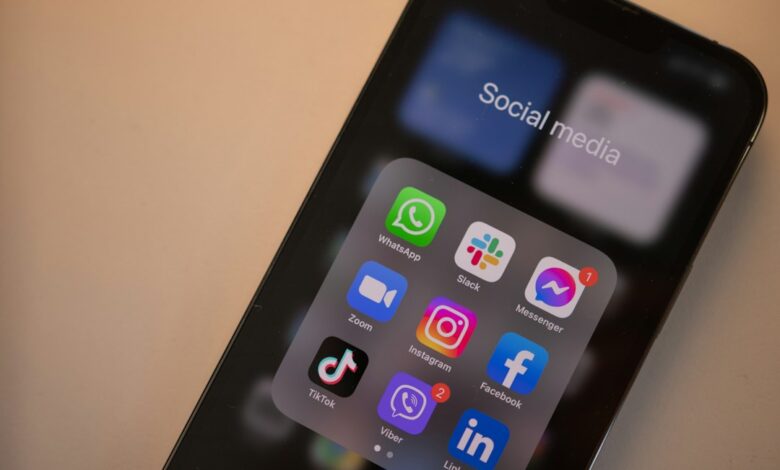
The financial stakes of this digital shift are substantial. An analysis by the Brazilian news outlet G1 found that Meta received at least 288 million Brazilian reais ($57 million) in direct campaign spending in 2026, double the amount received during the 2022 presidential race. This surge in advertising revenue underscores a structural change in Brazilian politics. As traditional advertising has been eclipsed by social media, a growing class of politicians is utilizing provocative, viral messaging to connect with voters. Rodarte noted the success of online influencers-turned-politicians, such as right-wing Nikolas Ferreira and left-wing activist Erika Hilton, who were both reelected to the Chamber of Deputies with record votes. “You are seeing people transitioning from information-producer roles to politics,” Rodarte said. “If this is the media landscape they are dealing with, it’s unlikely they will adopt a different campaign style.”
Meta’s defense of its neutrality is grounded in technical explanations rather than political neutrality. The company stated that recent issues stemmed from unrelated global technical glitches, strict anti-fraud measures, and regulatory compliance, rather than targeted suppression. Meta cited two specific global disruptions in early October: one that froze view counts on Instagram Reels in over 100 countries while distribution remained normal, and another that briefly disrupted ad creation tools for one day. Regarding AI restrictions, Meta explained that a loophole involving generic first names combined with electoral numbers briefly prevented some users from generating images of President Lula, while still allowing generation of images of Flávio Bolsonaro for a day. However, the company did not address why Bolsonaro’s Instagram and WhatsApp channels received algorithmic recommendations, a practice the TSE has ruled illegal. Meta insisted, “We do not suppress content to disadvantage any side, nor do we grant preferential treatment to any side.”
Critics argue that these technical explanations do not fully account for the perceived imbalance. The daily Folha de S. Paulo reported, citing leaked internal communications, that Meta employees acknowledged the incumbent campaign’s accounts were restricted from boosting certain content. This incident echoes similar legal interventions in Europe, where courts in Romania and Germany have previously stepped in to correct platform imbalances. For Leticia Cesarino, an anthropologist at the Federal University of Santa Catarina, the reliance on online campaigning, which took off with the 2018 election of Jair Bolsonaro, has placed political hopefuls at the mercy of Big Tech corporations and their operational biases.
Beyond the immediate election, a broader regulatory war is unfolding between the Lula administration and the tech industry. Last year, Brazil’s Supreme Court (STF) ruled that Article 19 of the Marco Civil da Internet (Internet Civil Rights Framework) was partially unconstitutional, shifting the liability regime for platforms regarding user-generated content. With Congress yet to establish the operational rules, the executive branch recently published decrees to fill the gap. These decrees require companies to exercise a duty of care over criminal content, prevent online fraud, and grant the National Data Protection Authority (ANPD) oversight powers. A second decree focuses on protecting women online, mandating the removal of non-consensual intimate images within two hours.
The legislative response to these executive actions was immediate and coordinated. Within 24 hours of the decrees’ publication, 26 legislative decree proposals were filed to suspend or amend them. Most were submitted by lawmakers from right-wing and far-right parties, including the PL, the party of former President Jair Bolsonaro. Unlike previous episodes, such as the defeat of the “fake news bill,” Big Tech companies did not lobby directly this time; instead, they relied on lawmakers to strike down the rules. The STF is currently reviewing appeals filed by Big Tech against the liability ruling, with a final decision expected in mid-June, following a 60-day grace period for compliance.
As the Oct. 25 runoff approaches, the tension between state sovereignty over digital spaces and corporate platform governance remains unresolved. The election’s outcome will not only determine the next president but also the trajectory of Brazil’s digital accountability framework. For households and businesses operating in this environment, the uncertainty lies in how platform algorithms will be regulated and whether the current liability regime will be upheld or dismantled by the courts. The next key indicator to watch is not just the vote count, but the final ruling from the STF on the platform liability appeals, which will define the legal boundaries for digital engagement in Brazil for years to come.