
In a separate move aimed at strengthening national strategic capabilities, the Spanish Air and Space Force signed an agreement with Spanish defense contractor GMV. This contract focuses on bolstering Spain’s national space surveillance capabilities. Space surveillance is critical for tracking objects in orbit, preventing collisions, and monitoring potential threats, thereby safeguarding the satellites that support modern military and civilian operations. The agreement represents a procedural step in enhancing the technical infrastructure required for this mission.
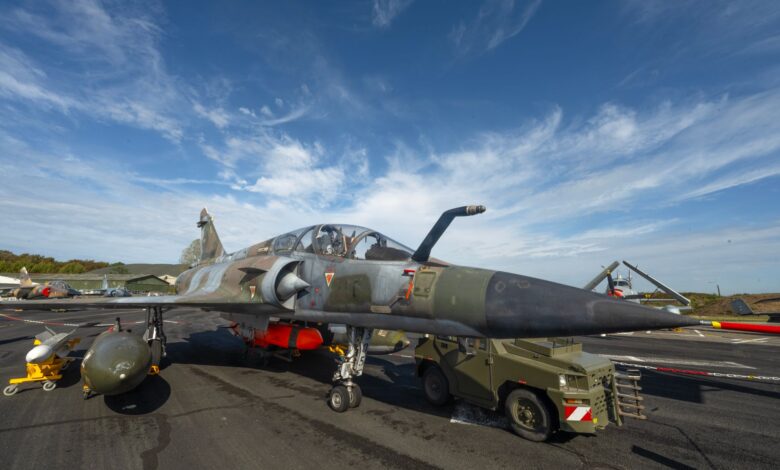
NATO’s air policing missions are designed to provide a visible and continuous presence in the Alliance’s airspace. These operations typically involve fighter jets and support staff rotating through host nations to demonstrate solidarity and readiness. By concluding its rotation in Lithuania, Spain has fulfilled its assigned contribution to this specific phase of the exercise. The handover to the next contributing nation ensures the continuity of the mission without interruption, maintaining the security umbrella over the Baltic states.
The partnership with GMV highlights a growing emphasis on space as a domain of military operations. As reliance on satellite communications, navigation, and reconnaissance increases, the ability to track and understand the space environment has become a core component of national defense strategy. The agreement will likely involve the development or acquisition of sensors and software systems capable of providing real-time data on space objects. This capability is distinct from the tactical, kinetic operations performed during the air policing mission, focusing instead on strategic awareness and persistent monitoring.
Both developments underscore the multi-domain nature of modern defense commitments. The air policing mission addresses immediate, regional security concerns within the NATO framework, while the space surveillance agreement addresses long-term, global strategic stability. There are no reported casualties or incidents during the concluded rotation, and the transition of responsibilities proceeded as scheduled. The next phase will see the arrival of a new contingent of allied aircraft to assume the watch in Lithuania, while in Spain, the GMV project will enter its implementation phase, with specific timelines and technical deliverables to be determined by the contract terms.




2 Comments