
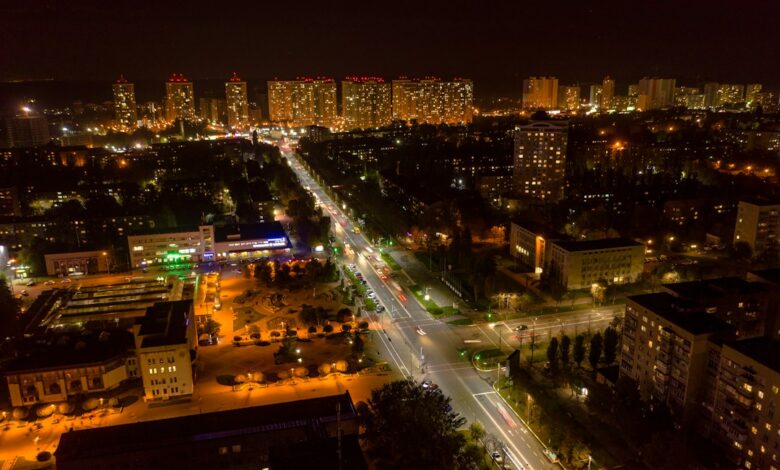
In the Dnipropetrovsk region, more than 600,000 residents lost access to power following an attack on an energy facility. The outage affected residents across the Pavlohrad, Samarivskyi, Kamianske, and Dnipro districts, as well as the city of Dnipro. DTEK, the Ukrainian power company operating in the region, confirmed the outages in a Telegram post, noting that engineers were already at the scene attempting to restore the damaged facility. However, the utility warned that repair efforts were being “complicated by repeated attacks,” indicating a persistent security risk for maintenance crews working to stabilize the grid.
Simultaneously, another 250,000 people in the Kharkiv region in northeastern Ukraine were left without electricity after Russian forces struck an infrastructure facility there. Mykola Baksheyev, the mayor of Zlatopil city, stated on Telegram that no casualties had been reported in the immediate vicinity of the strike. While power engineers were working to repair the damage, Baksheyev noted that the exact timeframe for restoring the electricity supply remained unknown, highlighting the uncertainty inherent in maintaining grid stability under active combat conditions.
These incidents follow a massive attack on energy facilities reported by Ukraine’s Ministry of Energy the previous day, which plunged residents in five regions into darkness and significantly hampered electricity transmission in the capital, Kyiv. The cumulative impact of these strikes underscores the strategic targeting of Ukraine’s power network, a critical component of national resilience during the winter months.
President Volodymyr Zelenskyy has accused Russia of intensifying these attacks to exert pressure on Kyiv ahead of diplomatic engagements. Trilateral talks involving the United States and Ukraine are scheduled for Tuesday and Wednesday in Abu Dhabi, United Arab Emirates. The timing of the strikes suggests a coordinated effort to influence the diplomatic momentum through energy disruption.
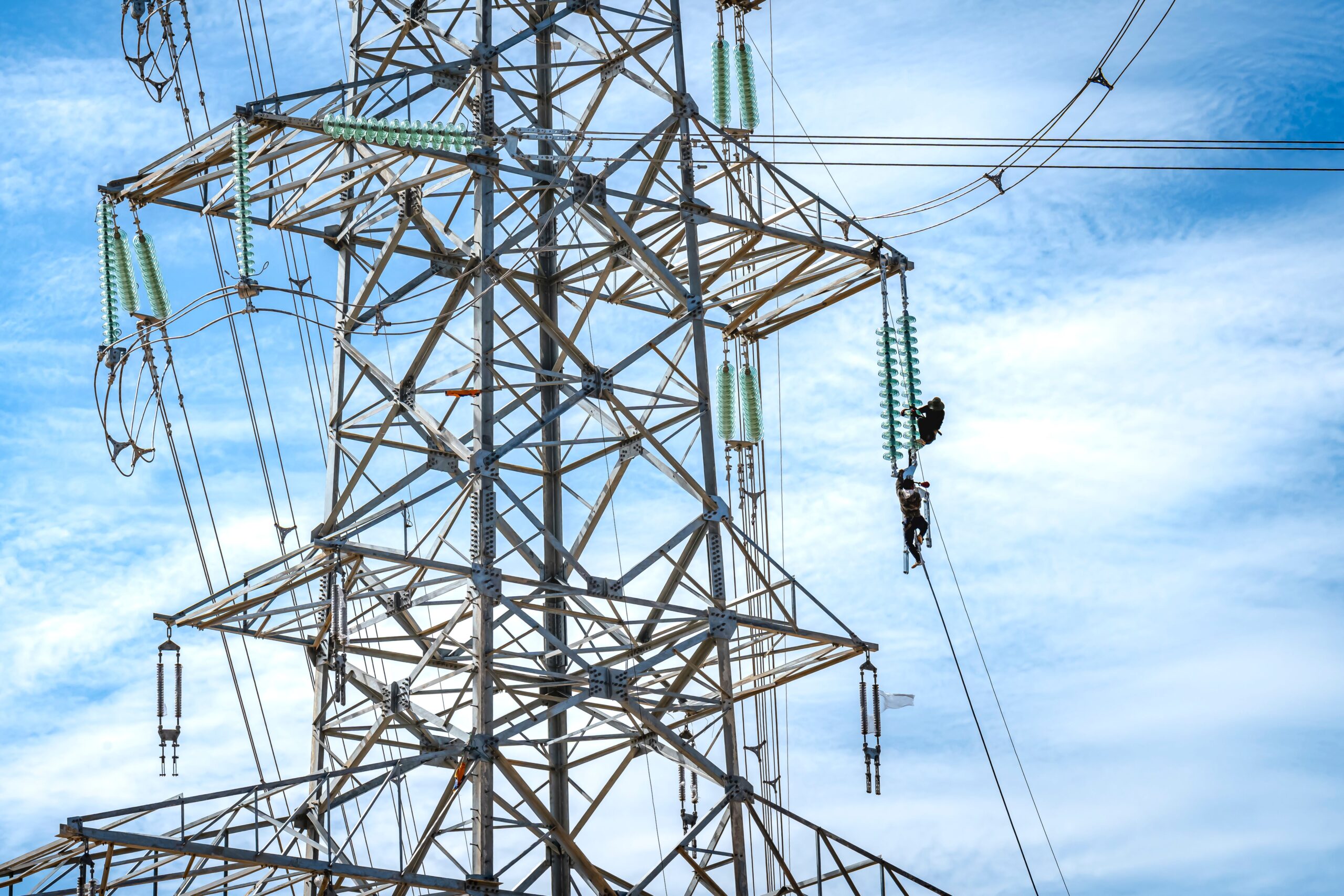
Responding to the accusations, Russia’s Ministry of Defence stated on its Telegram channel that its forces would “continue to carry out strikes against Ukrainian fuel and energy infrastructure facilities.” The Russian military justified these actions by claiming that the targeted facilities are used to aid the Ukrainian military effort, framing the attacks as counter-military operations rather than civilian infrastructure targeting.
The distinction between installed capacity and actual generation is stark in the current operational environment. While Ukraine possesses significant generation assets, the reliability of the grid is currently dictated by the frequency and severity of aerial attacks rather than fuel availability or technical maintenance schedules. The inability to guarantee repair timesframes due to ongoing threats creates a volatile supply environment, where outages can be prolonged not by the scale of the initial damage, but by the inability to safely access and repair damaged nodes.
As winter approaches, the strain on Ukraine’s energy system is expected to increase. The combination of rising demand for heating and the sustained campaign against transmission and generation infrastructure poses a significant challenge to energy security. The situation remains fluid, with the next critical development likely to be the outcome of the Abu Dhabi talks and any subsequent changes in the frequency or intensity of strikes on energy assets.



2 Comments