
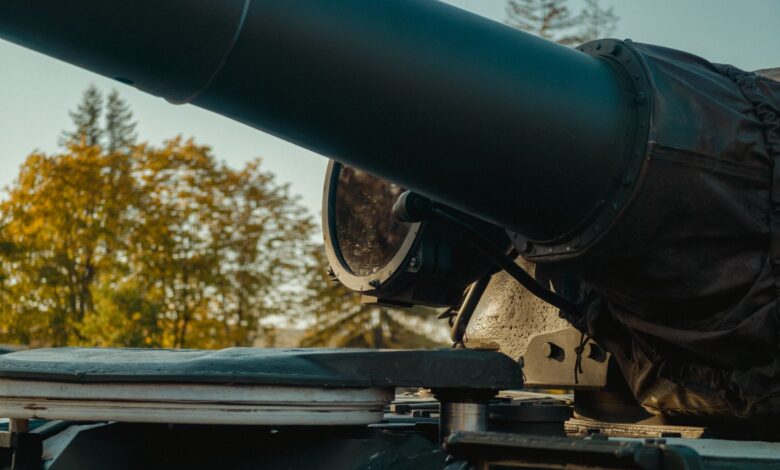
The operational significance of this strike lies in the specific capabilities of the Iskander system. The Iskander-M variant, which has been a centerpiece of Russian artillery and missile fire, is capable of striking targets at distances of up to approximately 500 kilometers. By targeting the launchers themselves, Ukrainian forces aim to reduce the volume and frequency of ballistic missile attacks, such as the one conducted overnight on November 7, during which President Volodymyr Zelenskyy reported that 36 ballistic missiles were launched toward Kyiv and the surrounding region. The accompanying strike on the Pantsir-S1 system, designed to protect installations from aircraft, drones, and incoming missiles, further suggests an effort to blind Russian air defenses in the rear area, potentially clearing the path for future long-range strikes.
These operations in Bryansk coincided with broader Ukrainian strikes in Russian-occupied territories. In the temporarily occupied Luhansk region, Ukrainian forces targeted Russian logistics and supply depots near Sokolohirsk and Zaaidarivka. Additionally, a strike hit a concentration of Russian drone operators near Novobohdanivka in the occupied part of the Zaporizhzhia region. The General Staff emphasized that disabling launchers and disrupting logistics reduces the sustained ability of Russian forces to conduct offensive operations and protect their own command infrastructure.
While Ukraine focuses on degrading Russian capabilities on the battlefield, intelligence reports reveal a parallel development in Moscow’s foreign military sales that complicates the regional security landscape. According to a report by the Financial Times (FT), Russia has agreed to supply Iran with 90 APU-L launchers for precision-guided missiles. The information, derived from a Russian defense industry production schedule covering 2024 and 2025 obtained by the FT, identifies the buyer as “K-10,” a code used by Russia’s state arms exporter for Iran. The documents, provided to the newspaper by Dallas Analytics, a Ukrainian private intelligence organization, do not confirm whether the launchers have yet been delivered.
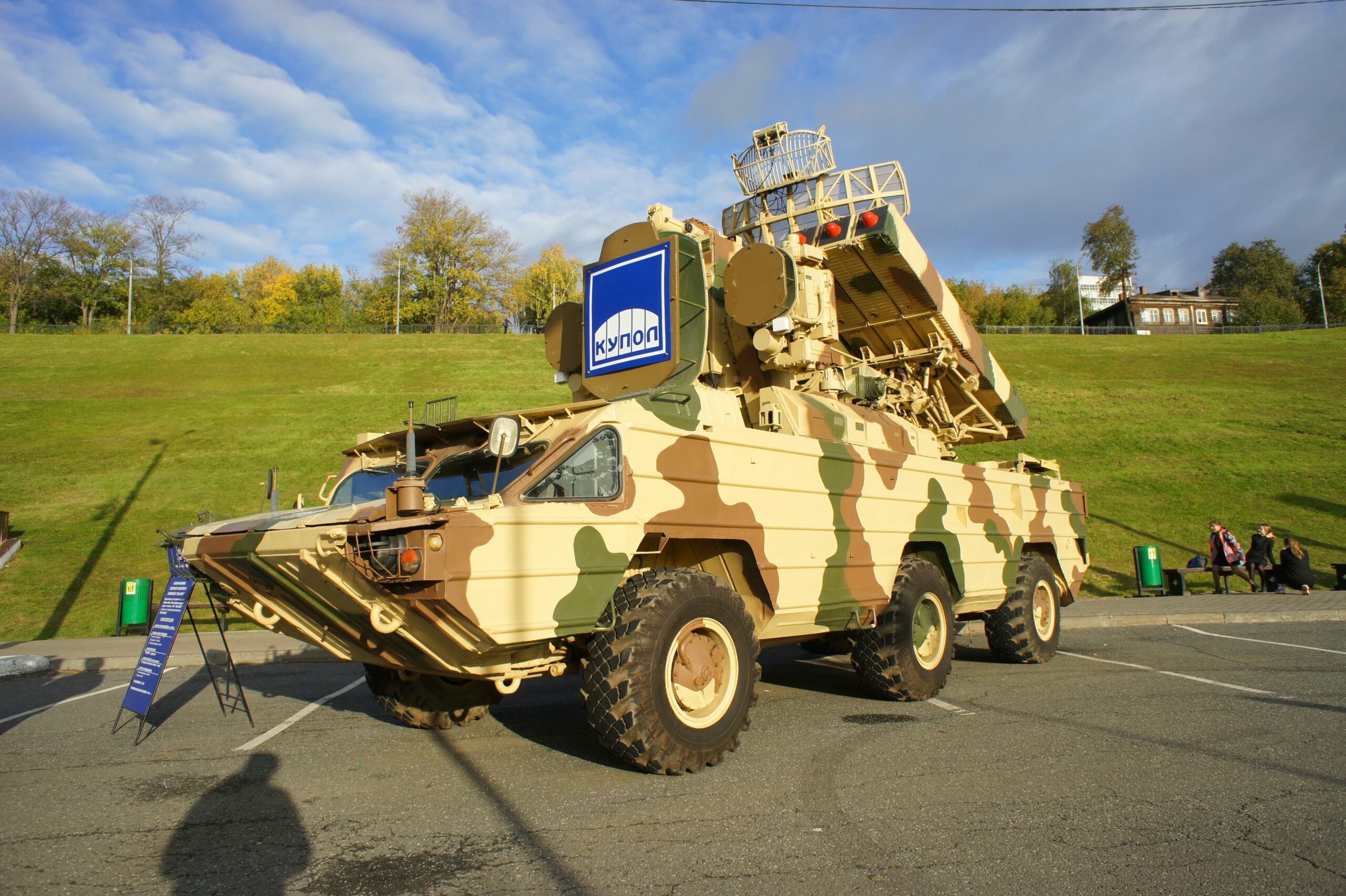
The APU-L launchers are designed for Russia’s Mi-28 attack helicopters, a platform Iran has already acquired. Iranian officials announced in November 2023 that delivery arrangements for the Mi-28s had been finalized, and images appearing online in January 2026 showed an Mi-28 at an aviation facility in Tehran. The launchers carry the LMUR (also known as Izdeliye 305), a light multipurpose guided missile that entered Russian service in 2022 and has been widely used in Ukraine. A key feature of the LMUR is its ability to strike moving targets with operator guidance during flight, allowing for real-time adjustments. This technology represents a significant upgrade for Iran’s air-to-ground capabilities, particularly given their existing fleet of Russian helicopters.
The agreement for the APU-L launchers is part of a broader pattern of military cooperation between Moscow and Tehran. The FT previously reported on a secret Russian program, codenamed C430L, to assist Iran in developing supersonic cruise missile technology. This program, which began in 2023, focused on ramjet propulsion systems capable of sustaining flight at several times the speed of sound. Such technology could potentially reduce the reaction time for US and allied air defense systems, posing a qualitative threat to naval vessels in the Persian Gulf. Jim Lamson, a former CIA military analyst specializing in Iran, noted that this would give Iran a “qualitatively new strategic weapon system.” While Iran has built and flight-tested the propulsion system, there is no evidence that a fully operational Russian-assisted supersonic cruise missile has entered service.
The deepening ties between Russia and Iran are occurring despite Western objections and Russia’s own heavy demands on its defense industry from the war in Ukraine. Nicole Grajewski, a scholar at the Carnegie Endowment for International Peace, observed that Moscow’s willingness to supply Iran indicates a reduced concern for Western diplomatic pressure. However, analysts caution against overstating the immediate impact. Hanna Notte, Eurasia program director at the James Martin Center for Nonproliferation Studies, stated that Russia is balancing its support for Iran against its relationships with Washington and other Middle Eastern nations. “The support it has provided to Iran is operationally helpful but is not the game changer in this war,” Notte said, suggesting that Moscow maintains certain red lines in its involvement.
These developments unfold against a backdrop of shifting political dynamics in the United States. US Vice President JD Vance has publicly attributed Republican midterm election defeats to the war with Iran, arguing that the conflict’s costs have outweighed its benefits. President Donald Trump, who has previously asserted that Russia was doing “very little” to assist Iran, is now weighing renewed military strikes against Tehran or a negotiated settlement. The contrast between the on-the-ground reality of Russian-Iranian arms transfers and official US political narratives highlights the complexity of the current geopolitical landscape.
As Ukrainian forces continue to assess the damage to the Iskander launchers in Bryansk, the strategic implications of the reported arms deal with Iran loom larger. The next confirmed development will likely hinge on whether the APU-L launchers are physically delivered to Iran and whether the supersonic missile program advances to operational deployment, further altering the balance of power in the Middle East and the broader context of the ongoing war in Ukraine.