
Among the animals rescued in recent months is a female Bornean orangutan nicknamed Novita. Found clinging to a nearly leafless tree in the Katune forest in Central Kalimantan province as dense smoke billowed across the scorched landscape, Novita is estimated to be between 3 and 4 years old. Jamartin Sihite, chairman of the Borneo Orangutan Survival Foundation, stated that the young ape suffered burns to her palms and feet, likely sustained while crossing a burned area to reach safety. Novita was tranquilized, administered oxygen and intravenous fluids, and transported to the rehabilitation center in Nyaru Menteng. Once her burns heal, she will be evaluated to determine if she can climb and survive in her natural environment; conservationists note that orangutans missing several fingers have previously been successfully released into the wild.
The mortality toll among wildlife is also rising. A male orangutan named Sampurna, believed to be around 20 years old, was found by residents struggling to breathe on a palm oil plantation in West Kalimantan’s Ketapang district. Indonesia’s Forestry Ministry confirmed that the animal died hours after being rescued. As of Saturday, government data indicated that more than 270 wild animals in Kalimantan had been rescued, rehabilitated, or guided to safer habitats.

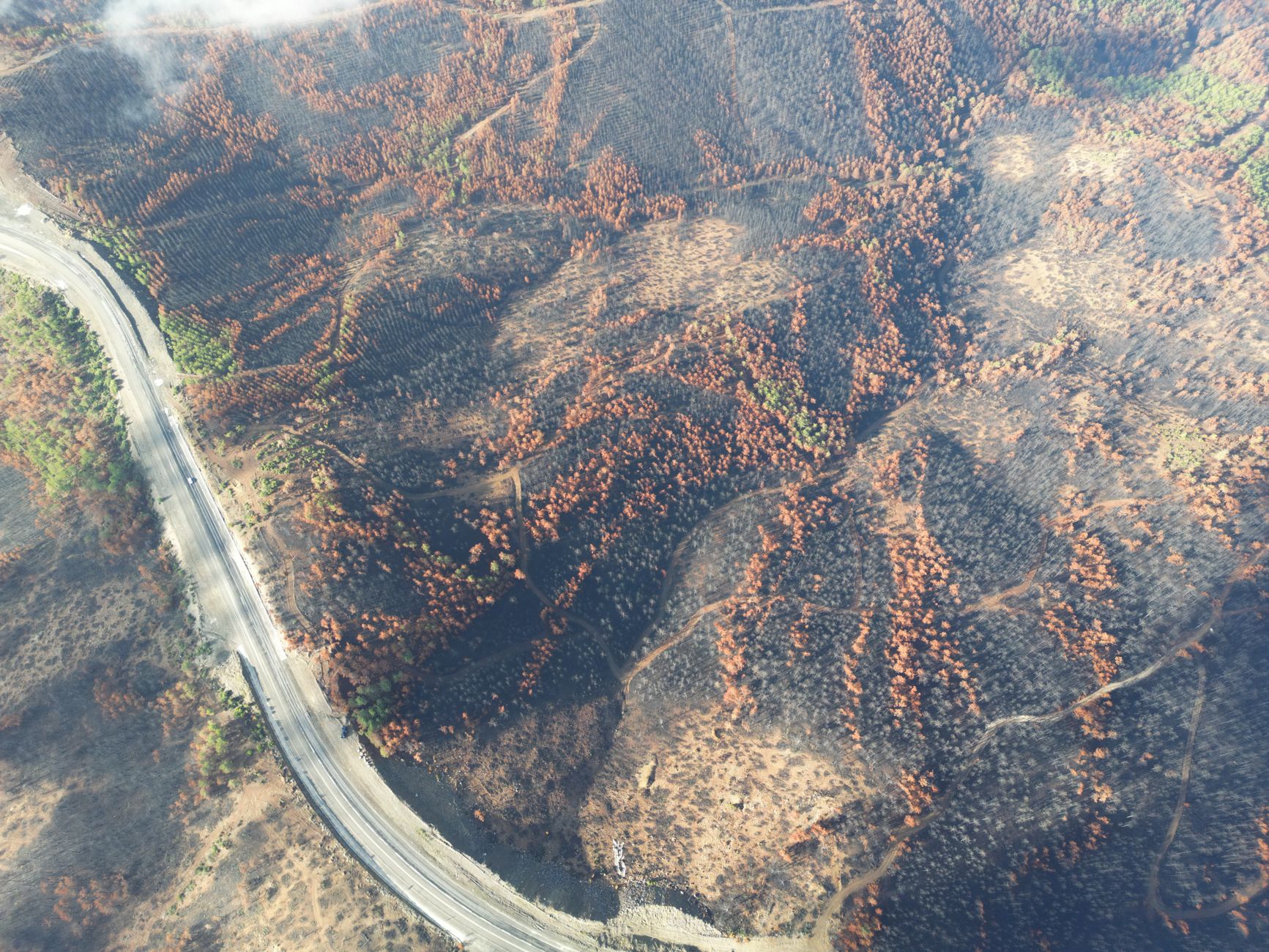
The scale of the environmental damage is substantial. Government figures show that more than 202,000 hectares (499,000 acres) of land burned between January and July. However, the independent Nusantara Atlas project, which monitors fires using satellite imagery, estimates that nearly 896,000 hectares (2.2 million acres) had burned by the end of August, suggesting a discrepancy in reporting or differing methodologies between official tallies and independent satellite monitoring.
El Niño exacerbates fire conditions
Forest and land fires in Indonesia have worsened this year as the El Niño weather pattern intensifies a prolonged dry season. Water shortages in the affected areas have significantly hampered firefighting efforts, leading to international intervention. Japan has provided firefighting assistance to the island to help manage the blaze. The fires are not limited to the Indonesian part of Borneo; regions on Sumatra island are also affected, compounding the ecological and social impact across the archipelago.
The atmospheric consequences of the fires have extended far beyond the immediate fire zones. Toxic haze and smoke have caused a health crisis in neighboring countries. In Malaysia, authorities declared an emergency in Sarawak, the Malaysian part of Borneo, last week due to deteriorating air quality. The smoke plume has been detected as far away as the Philippines, highlighting the transboundary nature of the environmental impact.
The intersection of climate variability and land management practices continues to drive these recurring fire events. While the immediate focus is on rescuing wildlife and mitigating health risks in neighboring nations, the long-term survival of the Bornean orangutan population depends on the management of these fire-prone ecosystems. The disparity between government-reported burn areas and independent satellite estimates underscores the ongoing challenges in monitoring and reporting environmental disasters in remote regions.