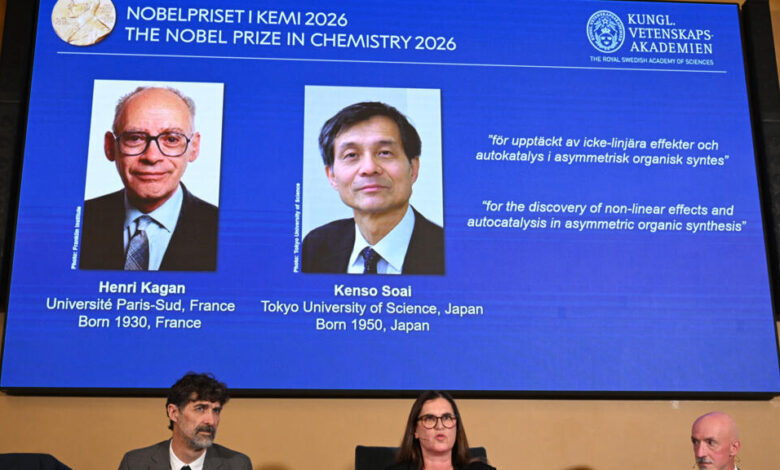
The prize, valued at 12 million Swedish kronor, approximately $1.2 million, honors their groundbreaking contributions to understanding how molecules can exist in mirror-image forms. Their work provides critical insight into asymmetric organic synthesis, a field concerned with the production of one specific enantiomer of a chiral molecule. By identifying non-linear effects and the phenomenon of autocatalysis, Kagan and Soai have elucidated mechanisms that may explain how biological systems developed a preference for one molecular handedness over the other.
Chirality is a property where molecules are not superimposable on their mirror images, a characteristic essential to the function of many biological molecules. For over a century, the origin of this homochirality in nature remained a significant puzzle in chemistry. The discoveries of Kagan and Soai address this by demonstrating how small imbalances in chiral systems can be amplified through non-linear effects and how reactions can accelerate themselves through autocatalysis.
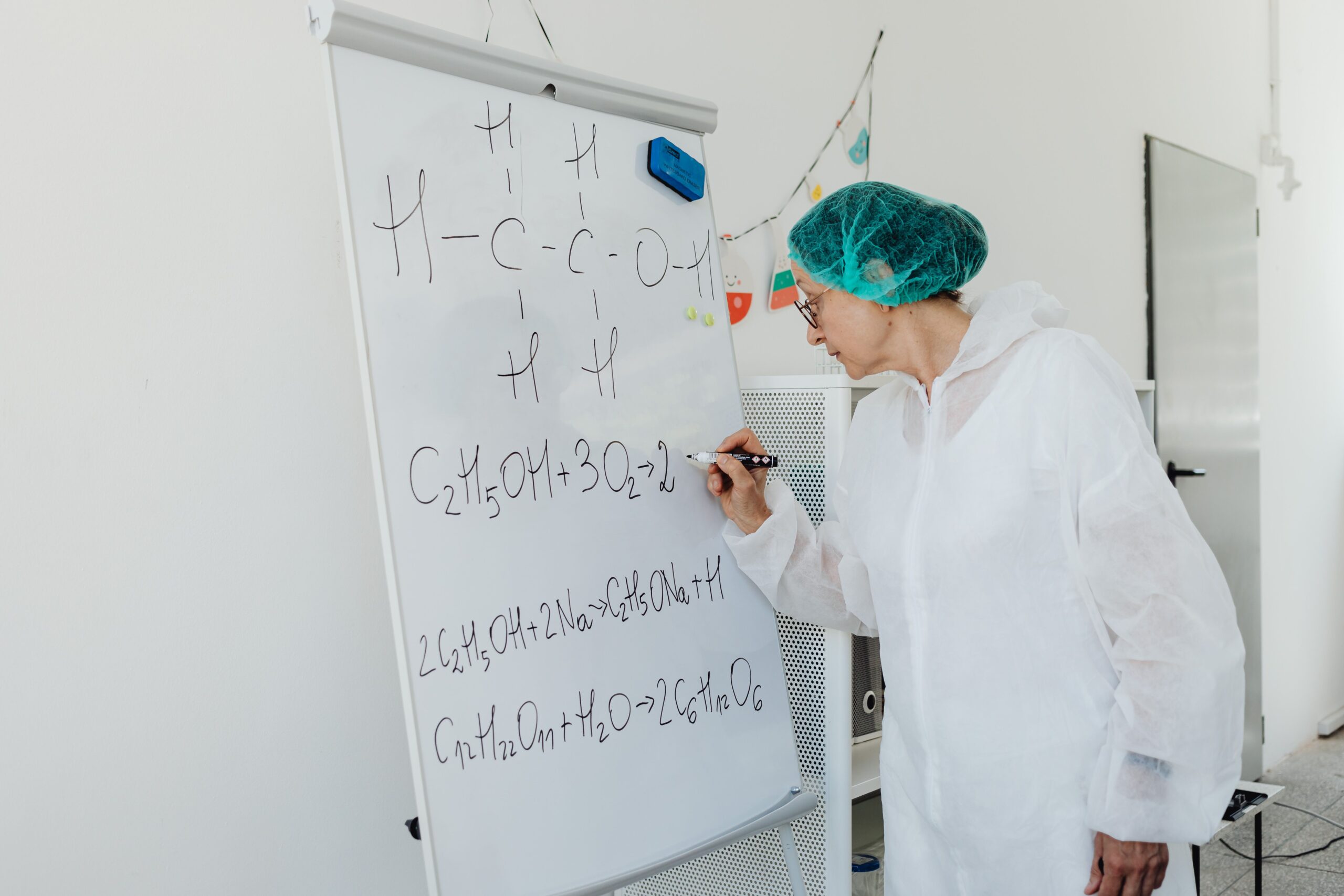
The recognition by the Royal Swedish Academy of Sciences underscores the importance of these findings in the broader context of organic synthesis and the study of life’s origins. The work is described as groundbreaking, offering a chemical explanation for the uniformity observed in the molecular structures of living organisms.
Henri B. Kagan and Kenso Soai will share the prize money and the recognition associated with the Nobel Prize in Chemistry. The award highlights the significance of their research in bridging the gap between fundamental chemical principles and the complex reality of biological systems.