
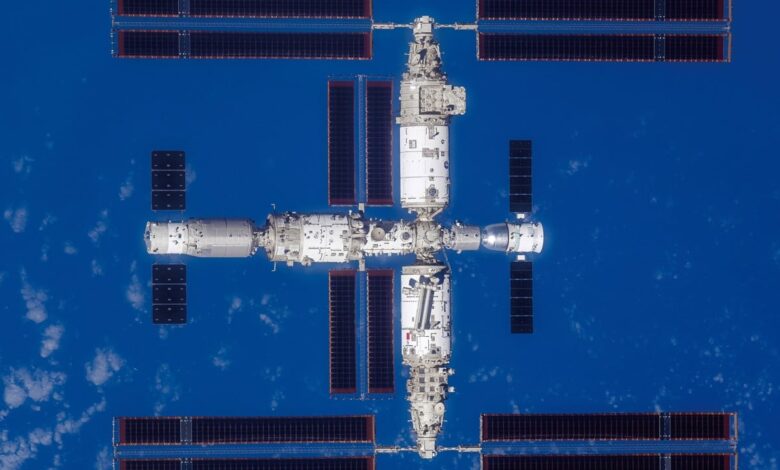
The experiment involved packing thousands of rubidium atoms into a cloud smaller than a grain of sand. This atomic cloud was then chilled within the Tiangong space station. The specific temperature reached was less than 10 trillionths of a degree above absolute zero, a threshold that defines the coldest possible state of matter where atomic motion nearly ceases.
The source attributes the temperature to a measurement taken aboard the Tiangong station, distinguishing it from ground-based or previous space-based experiments. The report does not specify the peer-review status of the findings, nor does it provide details on the experimental apparatus or the specific methodology used to maintain the cloud in a state smaller than a grain of sand. It is unclear from the provided text whether the results have been independently replicated or reviewed by the broader international scientific community.
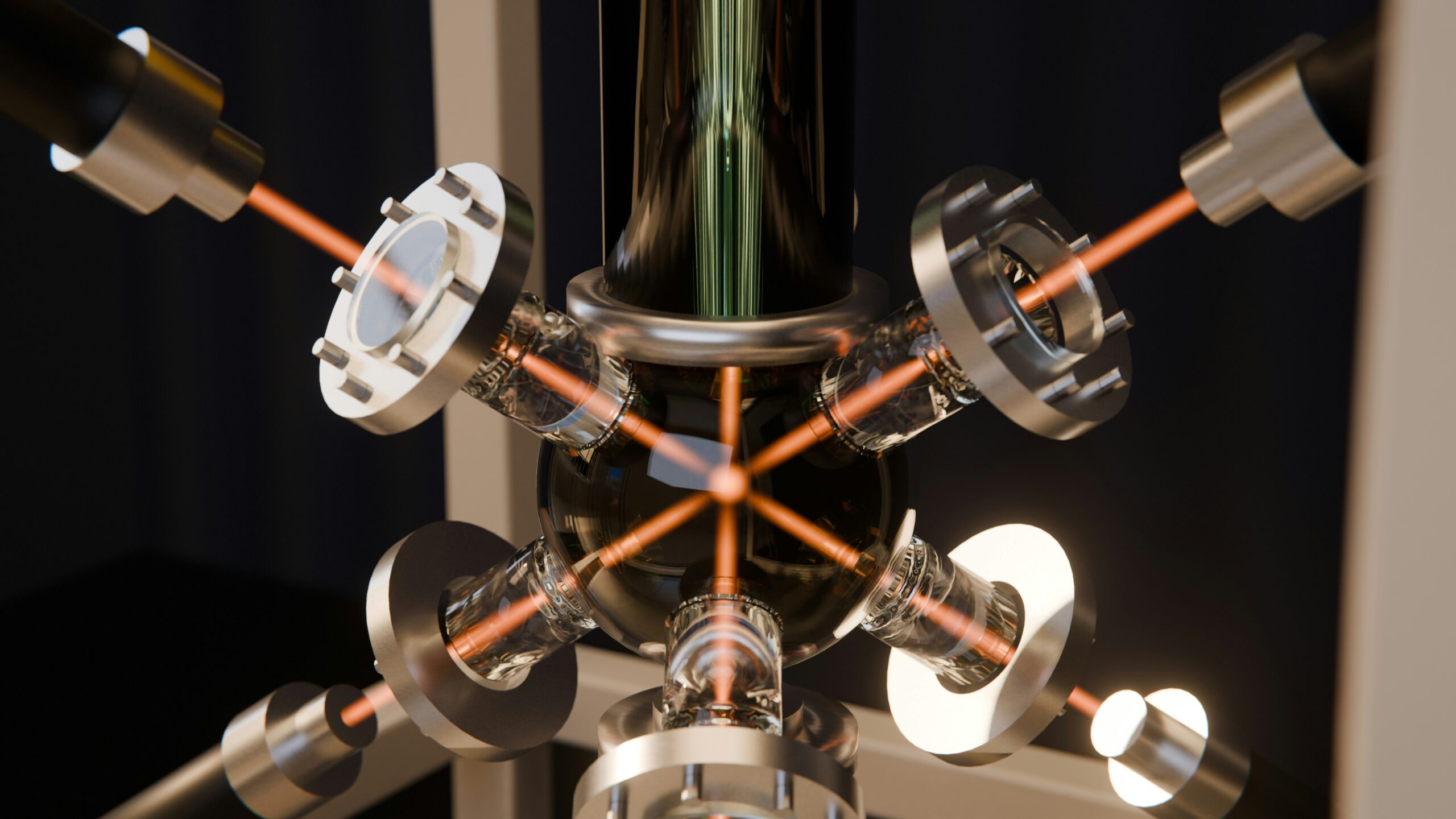
The potential applications cited in the report are functional rather than theoretical. The ultra-precise sensors enabled by this low-temperature state are described as tools for finding hidden minerals and tracking climate change. Additionally, the technology could be used to test Einstein’s theory of gravity. These implications are presented as future capabilities resulting from the current temperature achievement, not as immediate deployed systems.
No limitations, uncertainties, or specific statistical margins of error regarding the temperature measurement were provided in the source material. The report does not distinguish between the direct measurement of temperature and the subsequent interpretation of its utility for sensor development. The next milestone or subsequent experiment is not specified in the provided text, leaving the timeline for sensor deployment or further gravitational tests undefined.




One Comment