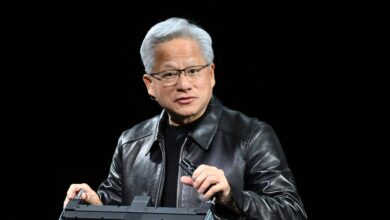
The incident has reignited debate regarding the integrity of U.S. corporate leadership in the context of intense geopolitical rivalry. The U.S.-China artificial intelligence race has become a central pillar of national security strategy, with Nvidia’s advanced graphics processing units (GPUs) viewed as critical infrastructure for training large-scale AI models. Any perception of compromised loyalty or influence within the leadership of a key provider of this technology carries significant weight for investors and regulators alike.
Matt Sheehan, co-director of the China AI Initiative at the Carnegie Endowment for International Peace, commented on the situation during an interview with WBUR’s Here & Now, which aired on November 10, 2026. Sheehan focused on the broader strategic implications of the scandal rather than the personal details of the affair. He noted that the incident serves as a stark reminder of the complex intersection between corporate governance, national security, and international competition in the AI sector.

The decline in Nvidia’s stock price reflects investor anxiety over potential regulatory fallout or reputational damage that could affect the company’s ability to operate smoothly across global markets. As the primary supplier of high-performance computing chips for AI development, Nvidia is subject to rigorous export controls and compliance standards designed to prevent critical technology from falling into the hands of adversaries. A scandal involving the CEO raises questions about the robustness of internal compliance cultures and the potential for undue influence on corporate decision-making.
Experts emphasize that while the allegations are serious, the extent of any actual breach of security or corporate policy has not yet been definitively established. However, the market’s sensitivity to such news highlights the fragility of confidence in the AI supply chain. The U.S. government and private sector have invested heavily in maintaining a technological lead over China, and any perceived weakness in the leadership of key players is interpreted as a potential vulnerability in that strategy.
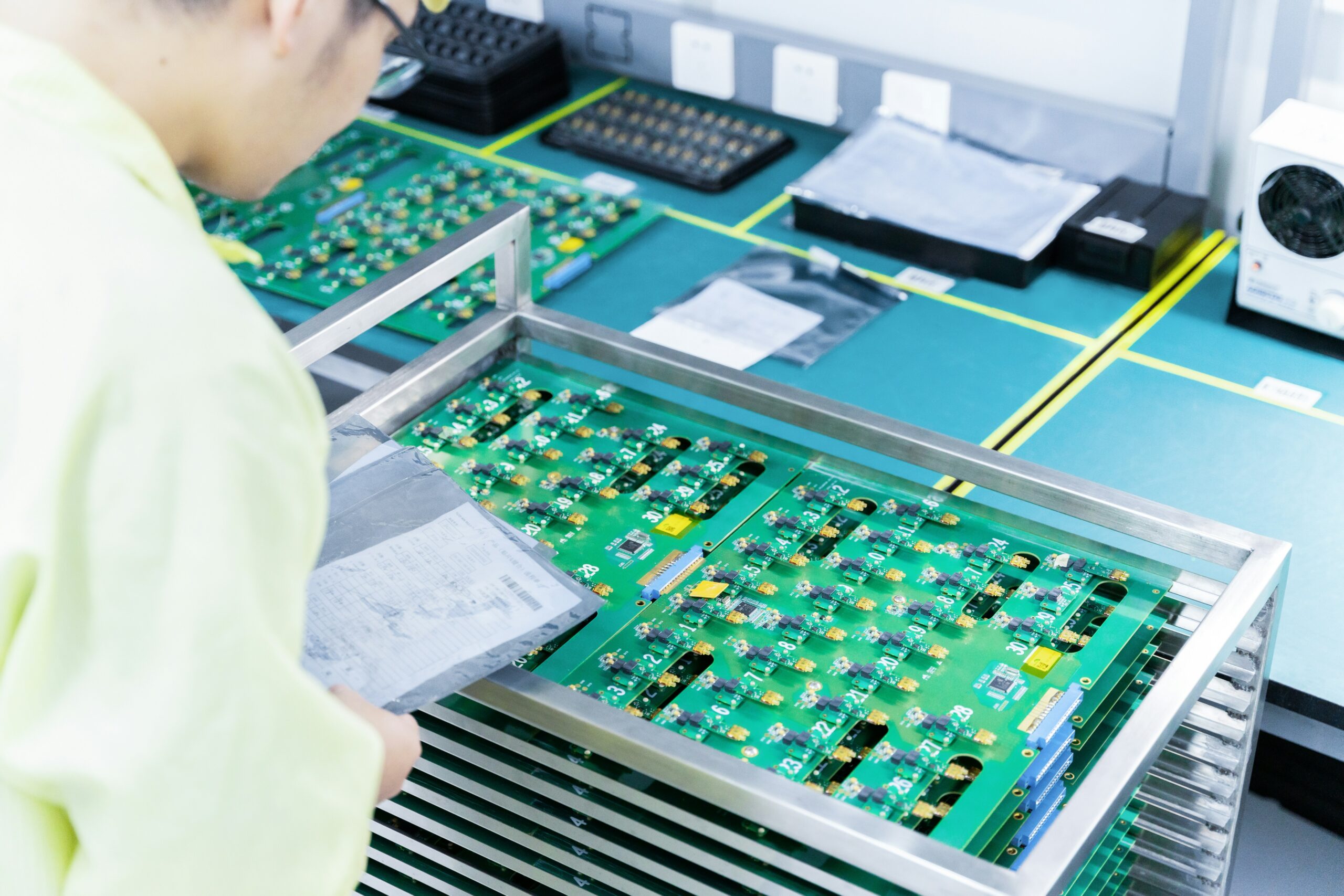
The Carnegie Endowment’s analysis suggests that the U.S.-China AI race is not merely a competition of hardware and software, but also a contest of institutional trust and security. The incident involving Huang adds a new layer of complexity to this dynamic, forcing policymakers and industry leaders to reassess the safeguards in place within major tech firms. The focus now shifts from the immediate financial impact to the longer-term implications for transparency and accountability in the AI sector.
As the story unfolds, attention will likely turn to any formal investigations or corporate disclosures that may follow. For now, the slump in Nvidia’s stock serves as a tangible indicator of how deeply personal scandals at the top of major tech companies can impact the macroeconomic and geopolitical landscape. The episode underscores that in the age of AI, the reputation and conduct of corporate leaders are as significant as the technology they produce.