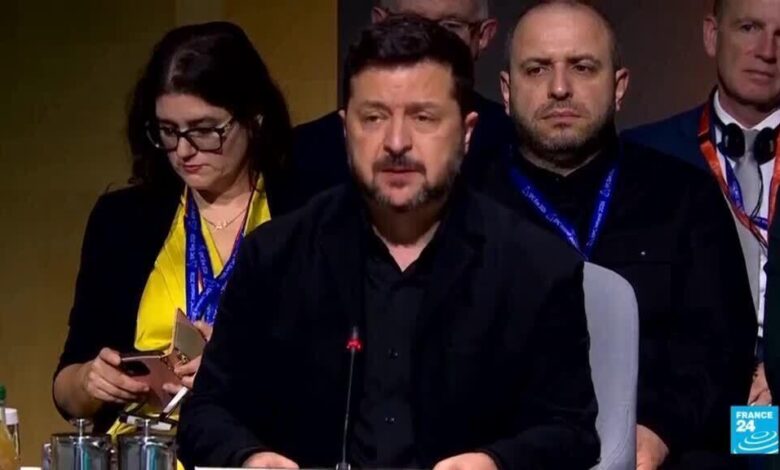
The proposal, as described by the Ukrainian president, suggests a shift in the strategic calculus of the war’s mediators. By linking NATO accession—a long-standing objective of Ukraine’s foreign policy—to the relinquishment of occupied territories, the United States appears to be seeking a finality that may come at a high political and territorial cost for Kyiv. Zelensky’s disclosure of this specific demand highlights the intense pressure Ukraine faces to secure a binding security architecture while simultaneously grappling with the reality of occupied regions. The implication is that the path to the North Atlantic Treaty Organization may now be contingent on compromising the principle of territorial integrity that has underpinned Ukraine’s wartime narrative.
Compounding the complexity of these negotiations is the state of the ceasefire efforts. Zelensky also claimed that Russia has rejected an energy truce, a component that was likely designed to stabilize critical infrastructure and provide a humanitarian pause. The rejection of this measure by Moscow suggests that despite the ongoing diplomatic channels, there remains a fundamental disconnect between the belligerents regarding the conditions for de-escalation. While the energy truce might have served as a lower-stakes entry point for broader peace talks, its dismissal indicates that Russia remains unwilling to engage in partial or sector-specific agreements that could benefit Ukraine’s war effort or civilian stability.
The diplomatic environment surrounding these claims is characterized by a lack of tangible progress. Zelensky noted that this week’s US-mediated negotiations did not result in any concrete outcomes. This stagnation underscores the difficulty of bridging the gap between Washington’s desire for a negotiated settlement and the rigid positions held by both Kyiv and Moscow. The United States, acting as the primary mediator, finds itself in a challenging position, attempting to assemble a peace framework that satisfies its strategic interests while navigating the red lines of its ally and its adversary. The absence of progress in the recent round of talks suggests that the fundamental obstacles—territorial control and security guarantees—remain unresolved.
The significance of the US proposal lies in its potential to redefine the terms of Ukraine’s future. For Ukraine, NATO membership has been the ultimate security guarantee against future aggression. However, the suggestion that this membership is conditional on territorial concessions transforms the alliance’s entry criteria from a political and military assessment into a geopolitical settlement of the current war. This approach raises profound questions about the long-term implications for regional stability and the precedent it sets for resolving conflicts through the division of sovereign territory. If accepted, such a framework would likely cement the current front lines, effectively institutionalizing the occupation of Ukrainian land in exchange for a place in the Western security umbrella.
Russia’s role in these dynamics is defined by its rejection of the energy truce and its continued insistence on its own terms. By refusing the energy agreement, Moscow signals that it does not view partial ceasefires as a viable path to the broader concessions it seeks. This stance places the burden of compromise squarely on Ukraine, which must now weigh the security benefits of NATO membership against the geopolitical cost of ceding territory. The diplomatic deadlock reflects the deep-seated mistrust that persists between the parties, where each side views the other’s minimum requirements as unacceptable threats to their own survival or strategic interests.
As the negotiations continue without tangible results, the focus remains on the stark choice presented to Kyiv. The revelation of the US proposal does not necessarily mean it has been accepted, but rather that it is on the table as a primary leverage point. The coming weeks will likely see further diplomatic maneuvering, with the United States attempting to refine the terms and Ukraine seeking to understand the precise conditions and guarantees attached to the offer. The tension between the desire for peace and the principle of sovereignty remains the central unresolved issue, with the fate of the region hanging in the balance of these high-stakes talks.