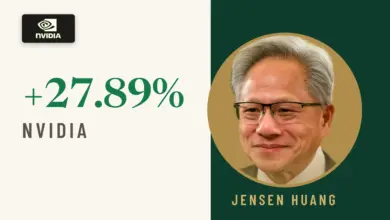
The catalyst for Huang’s return was a series of direct communications between top officials in the Trump administration and Nvidia’s board members. According to sources familiar with the discussions, these officials provided explicit assurances that Huang was not facing any criminal charges. Furthermore, the administration conveyed to the board its belief that Huang did not constitute a national security risk. This official stance was delivered despite U.S. intelligence assessments indicating that Huang had allegedly engaged in a romantic relationship with a woman whom intelligence agencies believed could be passing information to China.
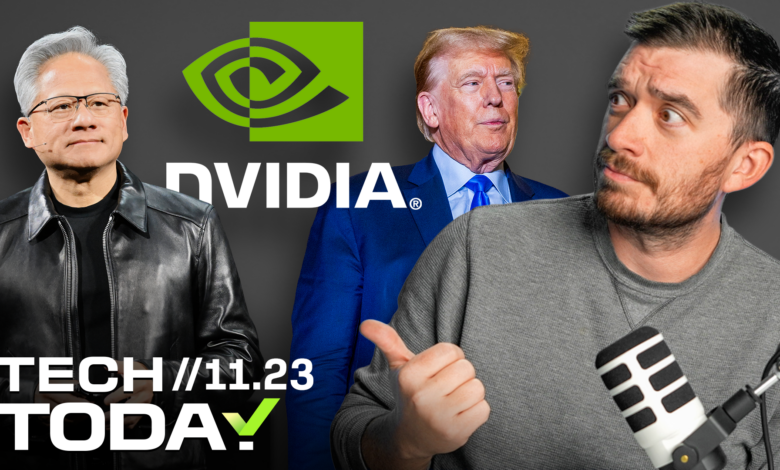
The New York Times was the first to report on the specific assurances provided by the administration. President Trump took credit for the outcome in a phone interview with CNBC, stating that he had spoken “directly and indirectly” with members of the company’s board to facilitate Huang’s return. “I spoke to them. Let me put it this way: And I convinced them. I made the deal,” Trump said. The president’s involvement underscores the level of political engagement in corporate leadership decisions at the highest levels of the U.S. technology sector.

Huang’s initial departure from the role occurred earlier this month. His resignation followed allegations that he had an affair with a woman U.S. intelligence believed to be a Chinese intelligence asset. The incident, referred to by some media outlets as the “Megaspeed espionage scandal,” triggered a significant reaction in financial markets. The potential loss of Nvidia’s long-time founder and CEO raised concerns about the company’s strategic direction and its ability to navigate complex geopolitical landscapes, particularly regarding export controls and supply chain integrity.
The restoration of Huang’s leadership is viewed by market analysts as a stabilization factor for the broader AI trade. Bloomberg noted that Huang’s return effectively hits a “reset button” for AI investments, alleviating fears that a change in leadership might disrupt Nvidia’s dominance in high-performance computing and AI chips. The company’s recent earnings had already served to calm market jitters, but the leadership vacuum created by his resignation posed an additional risk to investor confidence.

The episode raises significant questions about the boundaries between national security protocols and corporate governance. While the administration cleared Huang of criminal wrongdoing and security threats, the underlying intelligence concerns regarding his personal associations remain a point of discussion. The speed of the board’s unanimous decision, following the administration’s assurances, suggests a strong alignment between Nvidia’s corporate interests and the prevailing political stance in Washington.
As a developing story, several unanswered questions remain. Legal and security experts are watching to see if any further investigations or congressional hearings will arise from the initial intelligence reports. Huang’s upcoming congressional testimony is expected to address these issues directly, providing a public forum for clarifying the extent of the alleged associations and the administration’s rationale for clearing him. For now, the focus shifts back to Nvidia’s technological roadmap and its continued role in the global AI infrastructure build-out, with its founder once again at the helm.