

The alliance is explicitly designed to limit the influence of rival powers in the Pacific region. The treaty language states that the two nations will “act to meet the common danger” in the event that either country is attacked. It recognizes that an armed attack on one party “would be dangerous to each other’s peace and security as well as the security of the Pacific.” The agreement includes consultation provisions requiring both nations to discuss any security-related developments that might threaten their sovereignty, peace, or stability. The Ocean of Peace Alliance is open to other Pacific nations, paving the way for potential future participation by New Zealand, Papua New Guinea, and Tonga.
Complementing this diplomatic expansion, Australia has released its latest National Defence Strategy (NDS), which places a new emphasis on securing critical undersea infrastructure (CUI). For the first time, the NDS explicitly lists the threat to seabed infrastructure as a major security concern, with “supporting critical infrastructure” designated as the third of six key capability effects priorities for the Australian Defence Force (ADF).

Commodore Michael Turner, the Royal Australian Navy’s Director General for Maritime Integrated Capabilities, highlighted the strategic urgency of this mission at the Combined Naval Event 2026 conference in the UK. He noted that Australia’s status as an island nation makes CUI vital to its national prosperity. The country relies on 16 undersea cables to handle 98% of its international internet traffic. Turner stated that the protection of this infrastructure is essential not only for economic wellbeing but also for Australia’s ability to conduct military operations.
The NDS warns that critical seabed infrastructure remains vulnerable to sabotage by hostile nations. While environmental and accidental damage have always posed risks, the strategy identifies a growing threat from deliberate actions. Turner described an increasing “grey area” between accidental and deliberate damage, suggesting that hostile actors are exploiting this ambiguity. Australia’s geographic profile exacerbates these challenges; on its southern, eastern, and western shores, the ocean floor drops steeply from a narrow continental shelf of up to 200 meters to depths exceeding 3,000 meters. Additionally, the country must secure extensive offshore resource-related infrastructure on its north-west shelf.
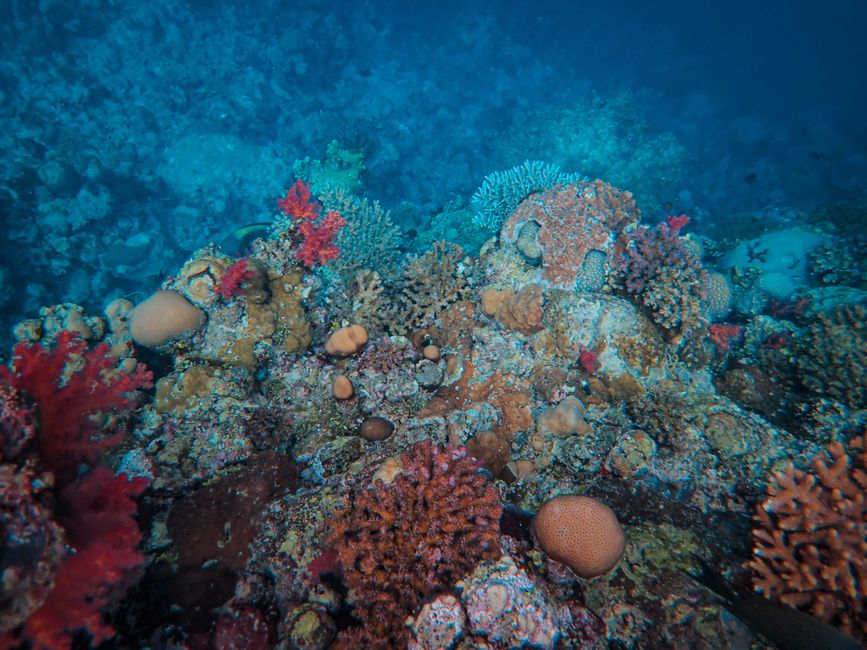
To address these threats, the Royal Australian Navy is seeking to accelerate its seabed warfare capabilities by engaging with the commercial underwater industry. The strategy recognizes that building this capability in-house quickly enough to meet the emerging threat is difficult, necessitating a partnership with private sector operators who already possess advanced underwater technology and expertise. This approach aims to enhance the ADF’s ability to detect, deter, and respond to interference with undersea cables and pipelines.
The simultaneous focus on a formal Pacific alliance and the hardening of undersea infrastructure reflects a broader strategic adjustment. By formalizing security ties with Pacific neighbors like Fiji, Australia seeks to stabilize the region and counter external influence. Simultaneously, by prioritizing the defense of digital and energy lifelines, the government is addressing critical vulnerabilities that could be exploited in a conflict scenario. The next phase of this strategy involves the operational integration of commercial assets into naval security operations and the potential expansion of the Ocean of Peace Alliance to other regional partners.
