

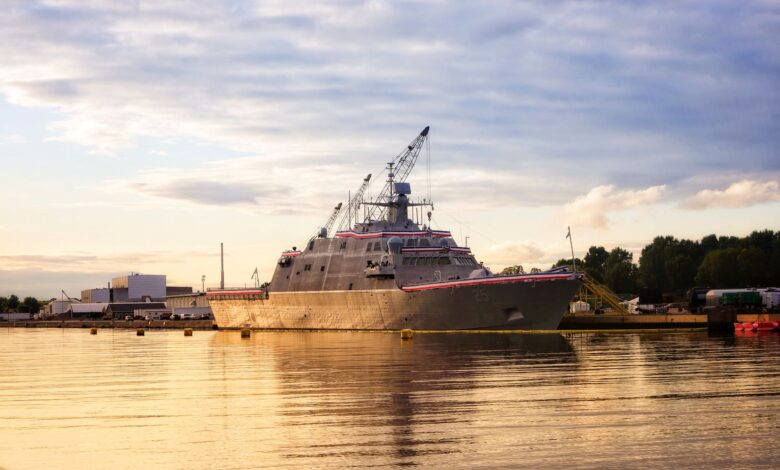
The attack occurred approximately 14 days prior to the confirmation of details by the officials. The vessel involved was struck by a single cruise missile, resulting in injuries to the eight service members. No information regarding fatalities was provided in the initial disclosures, and the specific nature of the injuries was not detailed. The Strait of Hormuz is a narrow chokepoint through which a significant portion of the world’s oil supply passes, making it a strategic focus for maritime security operations by the United States and its allies.
The confirmation of this incident clarifies the timeline of recent escalations in the region. While diplomatic tensions and sporadic proxy conflicts have characterized the relationship between Washington and Tehran, a direct missile strike on a U.S. Navy vessel constitutes a distinct shift in the operational environment. The delay in public reporting suggests a deliberate decision by U.S. authorities to manage the release of information regarding the incident, possibly to avoid immediate provocation or to allow for internal assessment of the threat level.
Military officials have not yet issued a public statement detailing the specific defensive responses or retaliatory measures taken following the strike. The U.S. Navy maintains a persistent presence in the Gulf region to ensure freedom of navigation and protect commercial shipping. The injury of multiple service members in a single event highlights the vulnerability of naval vessels to modern cruise missile threats, even with advanced defensive systems in place.
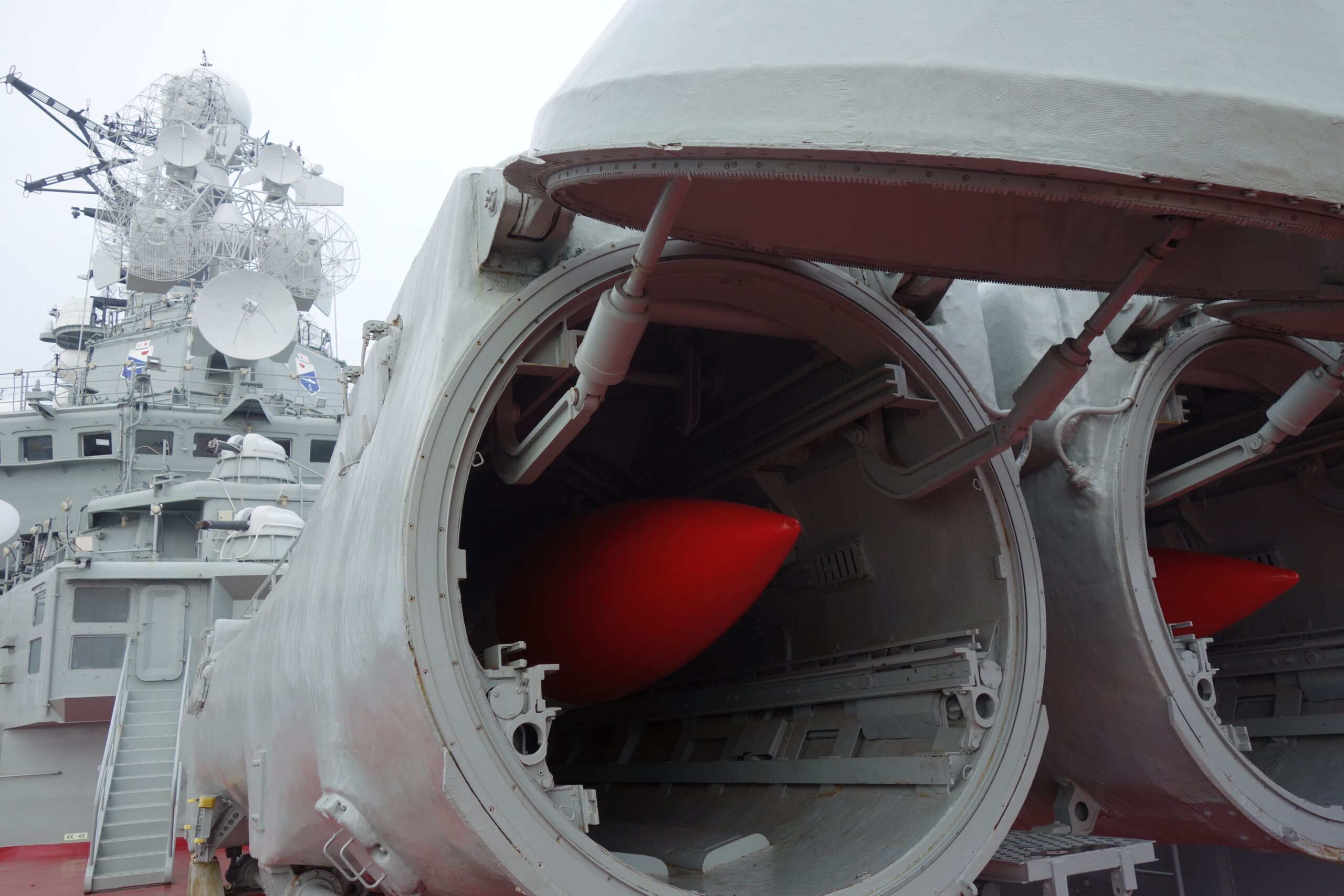
Background on the Strait of Hormuz indicates that it has been a flashpoint for regional instability for decades. The United States frequently conducts patrols in the area to deter attacks on shipping and to support regional partners. Iranian authorities have historically denied direct responsibility for attacks on foreign vessels, often attributing such incidents to regional proxies or technical failures. In this case, however, U.S. officials have explicitly identified the missile as Iranian in origin and the action as an attack on their personnel.
The incident underscores the ongoing risks faced by U.S. military personnel deployed in the Middle East. The Strait of Hormuz remains a high-risk zone due to the proximity of hostile forces and the narrowness of the waterway, which complicates evasion and defense against fast-moving missiles. The U.S. Department of Defense is expected to review the incident to determine if additional security measures are required for vessels operating in the region.
Civilian shipping traffic in the Strait of Hormuz has not been reported to have been directly impacted by the specific missile strike, but the broader threat environment affects all commercial operators in the area. The international community closely monitors developments in the Gulf, as any significant escalation between the U.S. and Iran could have global economic repercussions, particularly regarding oil prices and supply chain stability.
Further official briefings regarding the incident are anticipated in the coming days. These briefings may include details on the condition of the injured Marines, the specific type of missile used, and any policy changes in U.S. naval operations in the Persian Gulf. The U.S. government has not indicated whether diplomatic channels have been opened in response to the strike, nor has it confirmed any immediate military retaliation beyond the standard defensive posture.
The confirmation of this attack serves as a stark reminder of the persistent security challenges in the region. As the U.S. continues to maintain its military presence, the incident will likely be a focal point in ongoing strategic discussions between the United States and its regional allies. The integrity of the shipping lane remains a top priority for both military and commercial interests, and the response to this specific incident will shape future operational protocols in the Strait of Hormuz.